Alex Voyer/Silverback/Netflix
Deep Dive
Does ‘Our Planet’ Use CGI?
Some assume the answer is yes, but Mother Nature knows otherwise.
By David Levin
June 14, 2023
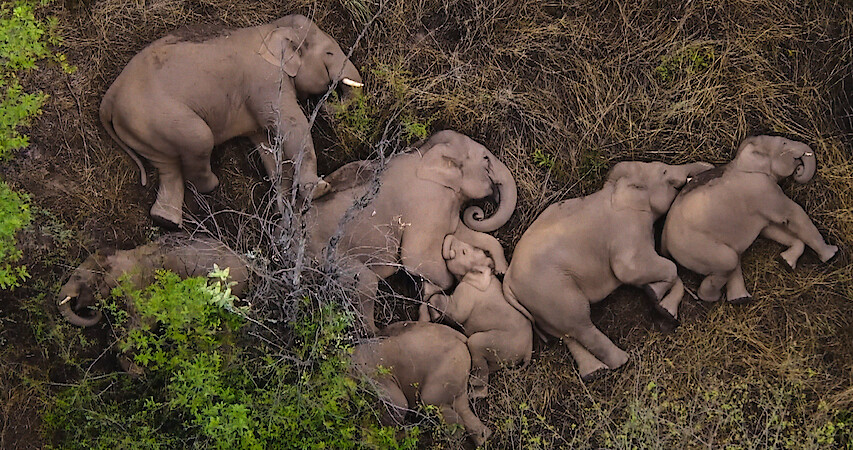
In any given episode of Our Planet, viewers can hunt with wild dogs, narrowly avoid lurking tigers or follow baby flamingos as they dart across a salt flat. Each scene is stunningly epic in its detail yet leaves viewers with some lingering questions: How in the world did they actually get that footage? And how do filmmakers find these incredible moments in the first place? It looks so unreal — so how real is it?
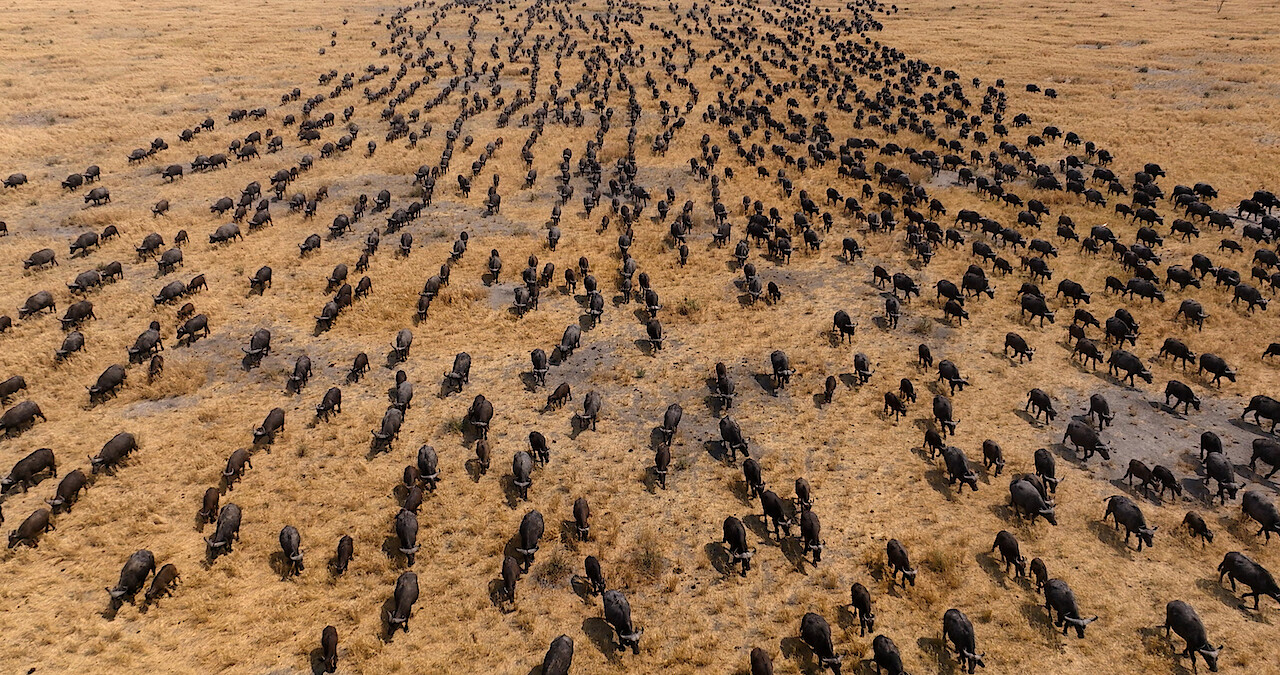
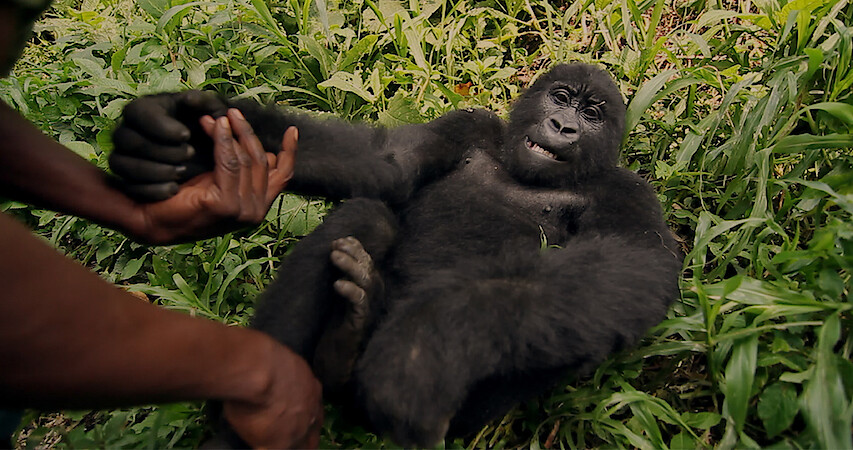
According to Keith Scholey, the award-winning documentarian who produced Our Planet, there are no CGI sequences or animation used in Our Planet: “The series is absolutely based around real, real images.”
“It’s really all about planning to get to the shot. You’ve got to find the right story, find the right place and be able to predict the right moment to film,” he tells Tudum. “That’s the skill of a natural-history filmmaker. You have to get to know your subjects and be able to anticipate what’s going to happen next.”
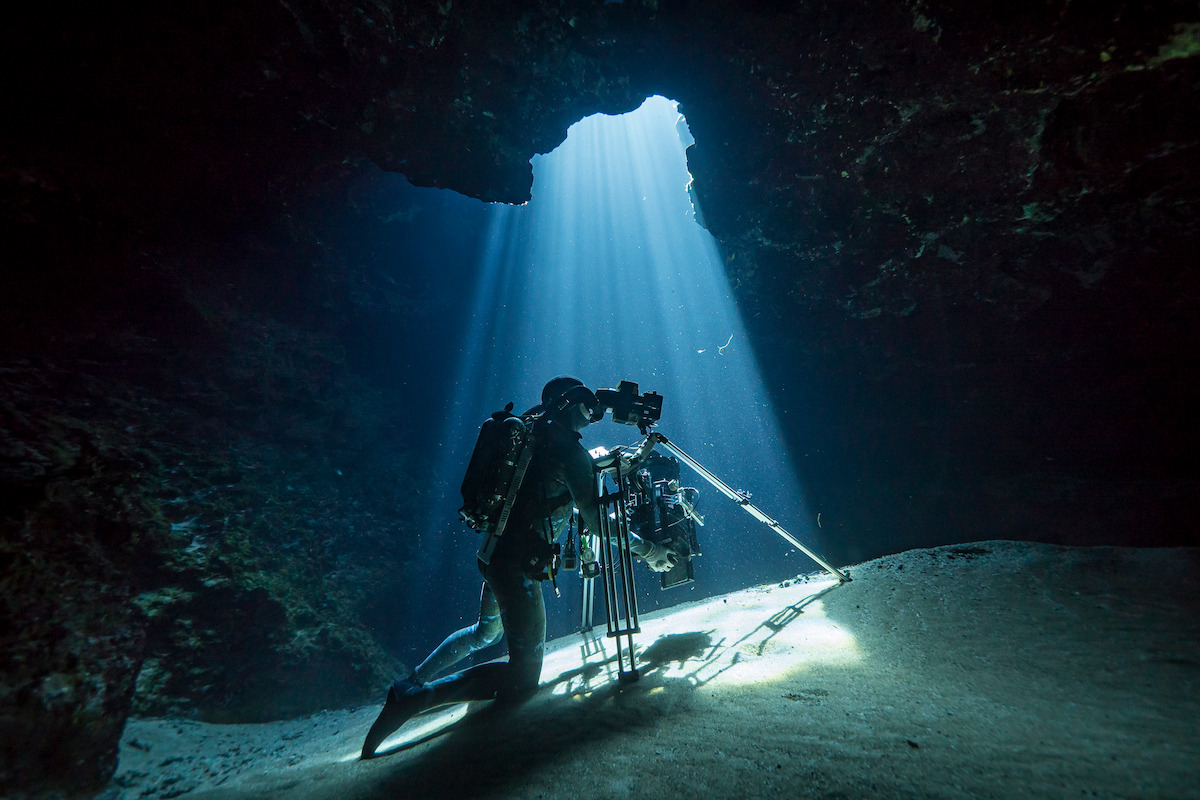
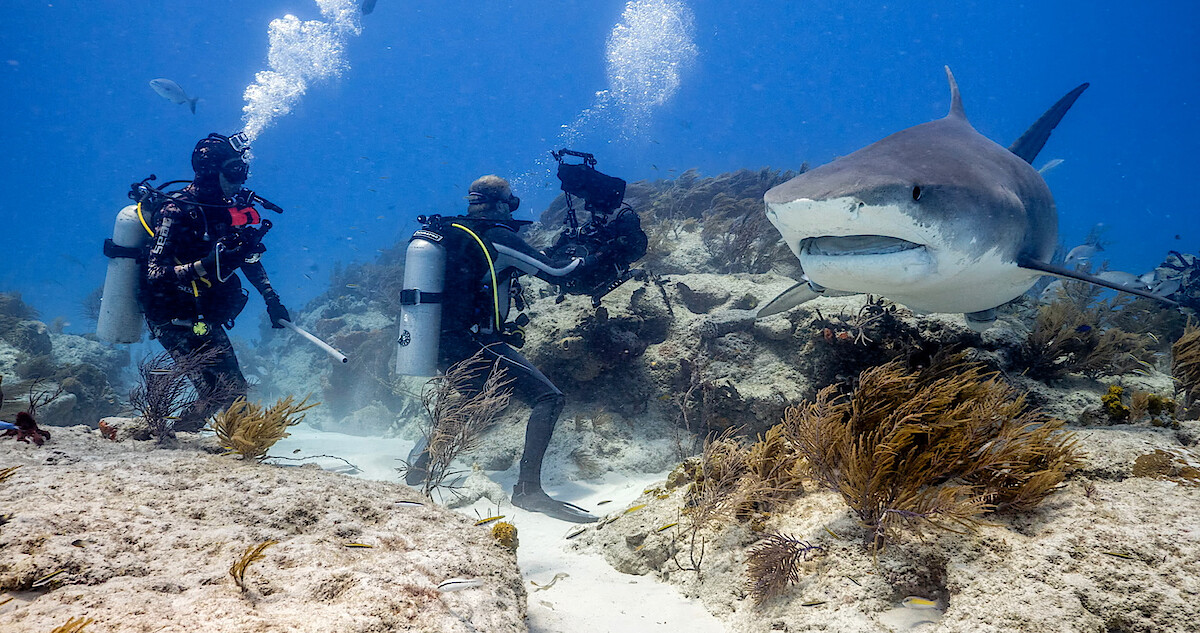
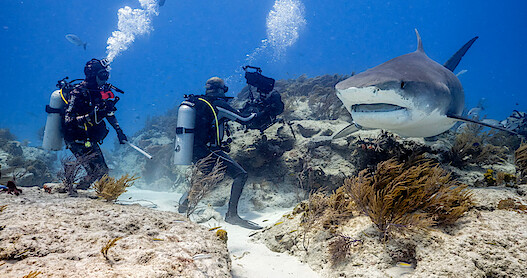
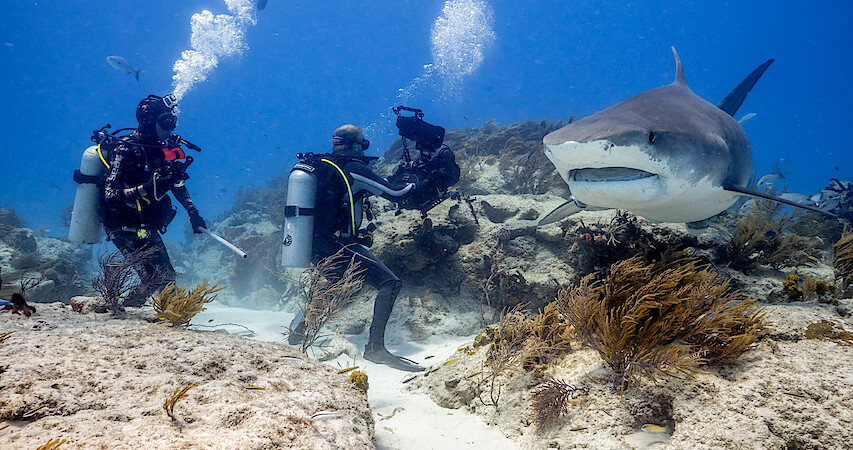
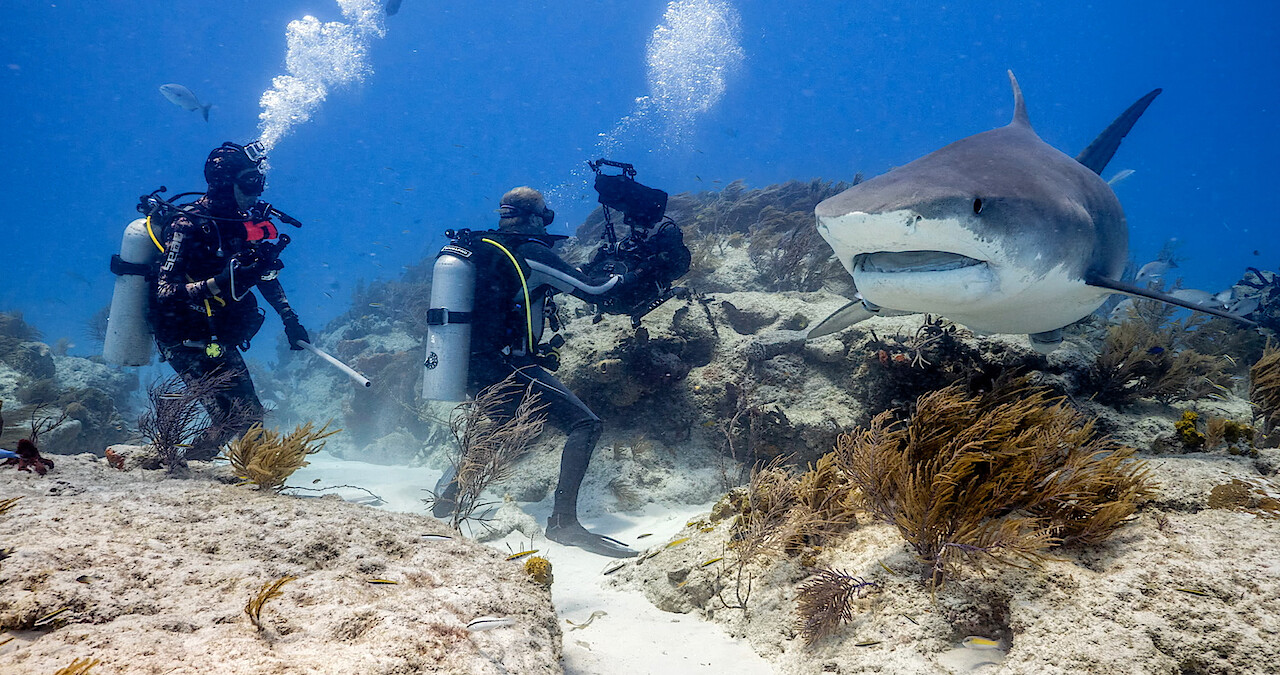
To create the series, Scholey worked with multiple teams of wildlife filmmakers, all of which filmed simultaneously in far-flung locations around the globe, often under punishing conditions. While one team gathered drone footage of blue whales surfacing near the coast of Mexico, another dove into the waters above a remote reef in French Polynesia, recording amid hundreds of sharks circling around them to feed. At the same time, a third team carried heavy camera equipment through waist-deep swamps in Sumatra — braving insect bites, venomous snakes and horrible skin rashes — to capture a few moments of orangutans in their native habitat.
Then again, it’s all about location. The logistics of doing a shoot in the natural world can be mind-boggling, and success is never guaranteed. Scholey points to one scene shot on the plains of east Africa as a key example: In order to capture footage of wild dogs hunting wildebeest, the film’s production team camped for weeks in Masai Mara National Reserve in Kenya, just north of the Serengeti. While on location, they worked with local scientists to identify the dogs’ territory, determine where an attack would likely occur and position themselves accordingly to get the best shots.
To complicate matters, once the hunt began, the team stayed in constant motion to follow the action as it unfolded. Wild dogs cover huge amounts of ground during a hunt, and to stay with them, the filmmakers shot from all-terrain jeeps outfitted with a Cineflex system, which is a stabilized camera rig normally used on helicopters. With that key technology in place, the team was able to employ huge zoom lenses to capture detailed footage from hundreds of yards away, all while speeding in huge circles around the action to frame their shots from afar.
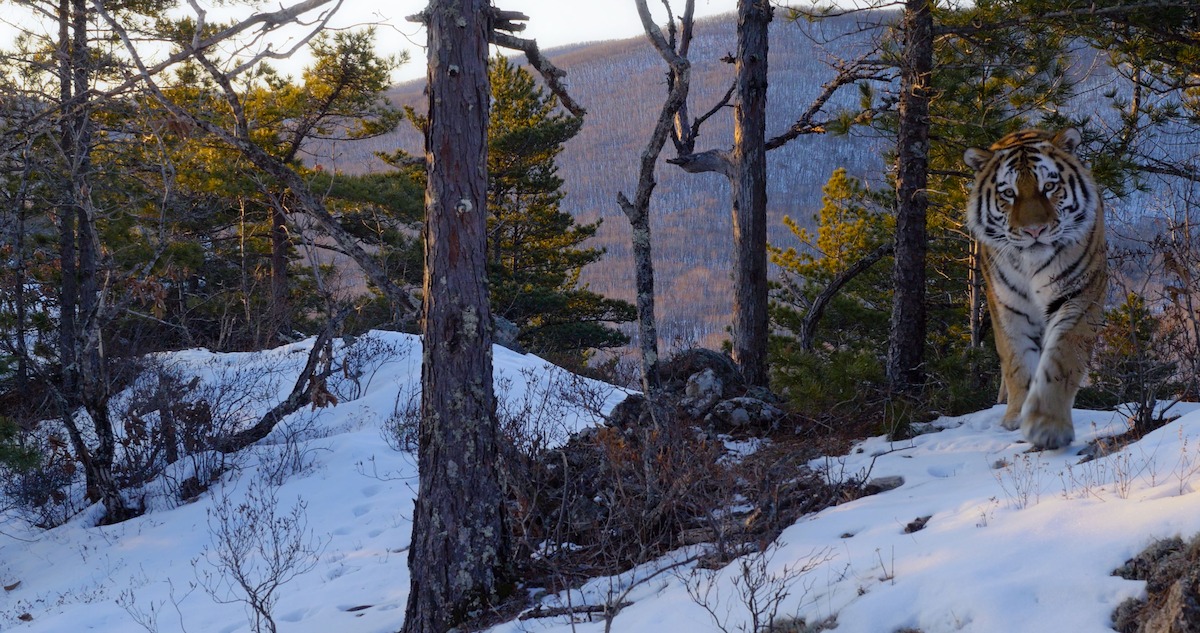
“With wildlife, there’s no point knowing what’s going to happen in a minute’s time because you’ll miss it — you’ve got to predict what’s going to happen in 10 minutes’ time. And even then, the people on the crew often have to make split-second decisions about where they’re going in order to stay ahead of the animals. It’s a lot like hunting really,” says Scholey.
In some cases, it’s a bit like being hunted as well. To capture even a brief shot of the Siberian tiger, Scholey’s production team had to stay in total isolation in the remote Russian wilderness, living for weeks in plywood shacks barely larger than a twin bed, while huge cats stalked the woods around them.
Despite their patience and best efforts, the team never spotted the elusive tiger — only 600 are left in the wild — but fortunately for viewers, the veteran filmmakers had a few extra tricks up their sleeves. Since the tigers stayed clear of their campsite, the team instead relied on camera trps, devices that scientists often use to monitor wildlife remotely. Each one is made up of a waterproof box containing motion sensors and a high-resolution camera — and by attaching these to trees or rocks where the tigers were likely to travel, the production team could record footage without needing to be physically present.
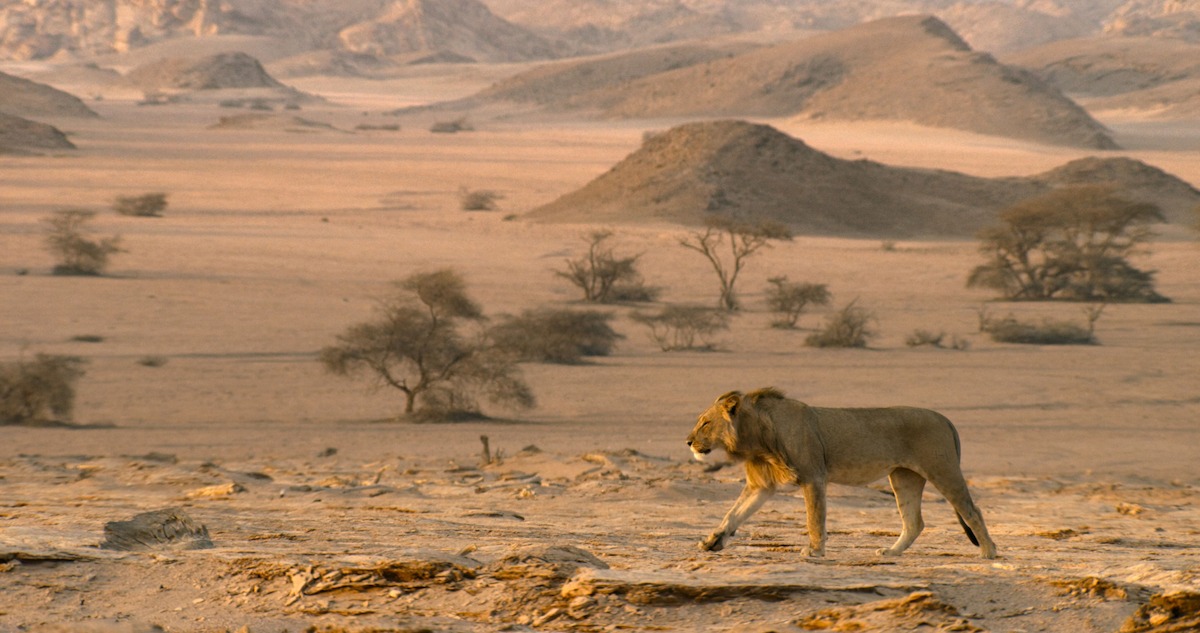
Normally, traps like these record more misses than hits, Scholey says: A stray gust of wind or a curious rodent can set the device into action, capturing hours of useless footage. But every so often, the gamble pays off. After deploying the traps for several weeks on remote trees, Scholey’s team was finally able to capture a few brief glimpses of the enormous cat. In a stroke of incredible luck, it walks slowly and calmly past the lens, framed perfectly in the glow of the rising sun behind it.
“When they showed me that footage, it was so gorgeous, I just couldn’t believe it. We dream of shots like that in our business,” Scholey says.
Serendipity like this is a big part of the game, he adds. Filmmakers plan their shoots around a loose outline of a show, but it’s the footage itself that ultimately steers the narrative. In Our Planet, field expeditions began with the broad theme of global climate on the precipice, a general topic that determined which animals and locations to film. Yet some of the most compelling footage in the series — like the Siberian tiger, massive icebergs calving from a glacier or a now-famous scene of walruses falling off of a rocky cliff — came from moments that the production team could never actually plan to capture in advance.
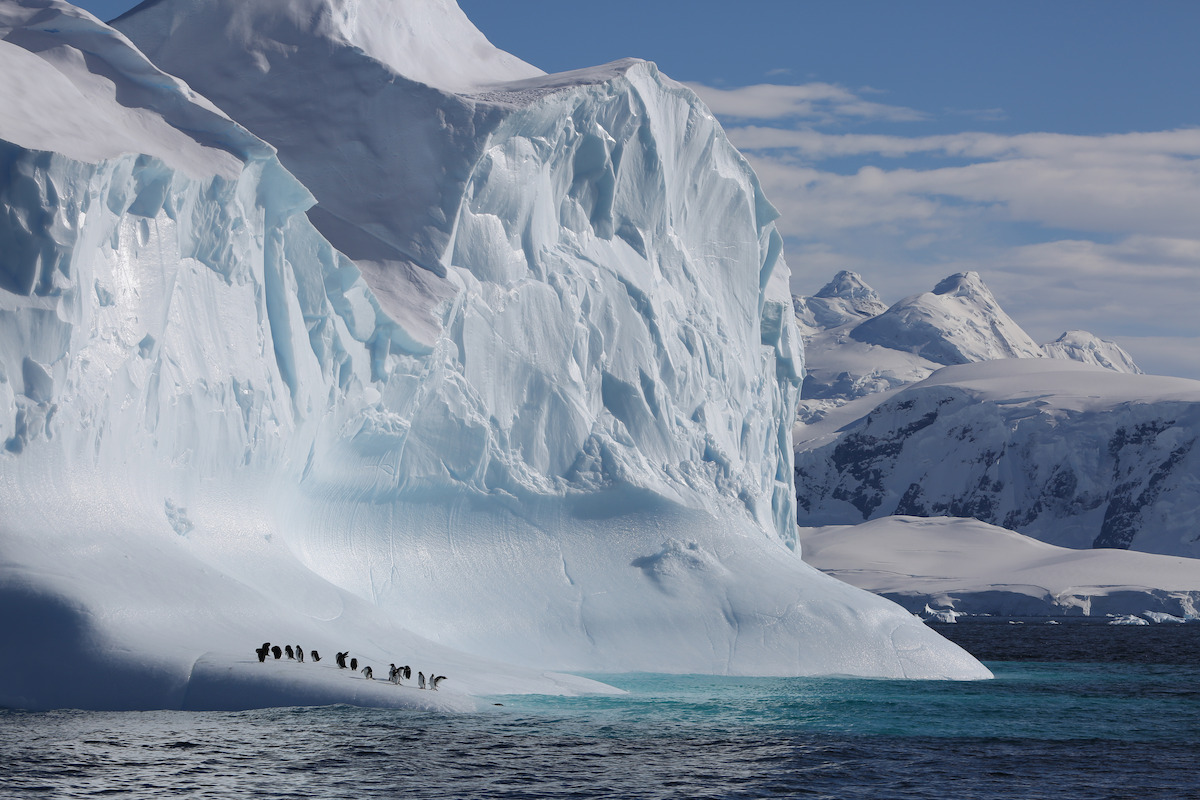
“That’s what makes natural-history filmmaking so exciting. There’s a sense that the animals are writing the script,” Scholey says. “The way we make our films, we always try to recreate in pictures and edit what it was like to be there as that scene played out. We might observe, say, three hunts in a similar situation, and combine those shots into a common story — but we always want to try to stay true to what the animals do and how they do it. The results are just so much more convincing and entertaining if you do that.”
Watch Our Planet and Our Planet II on Netflix now.