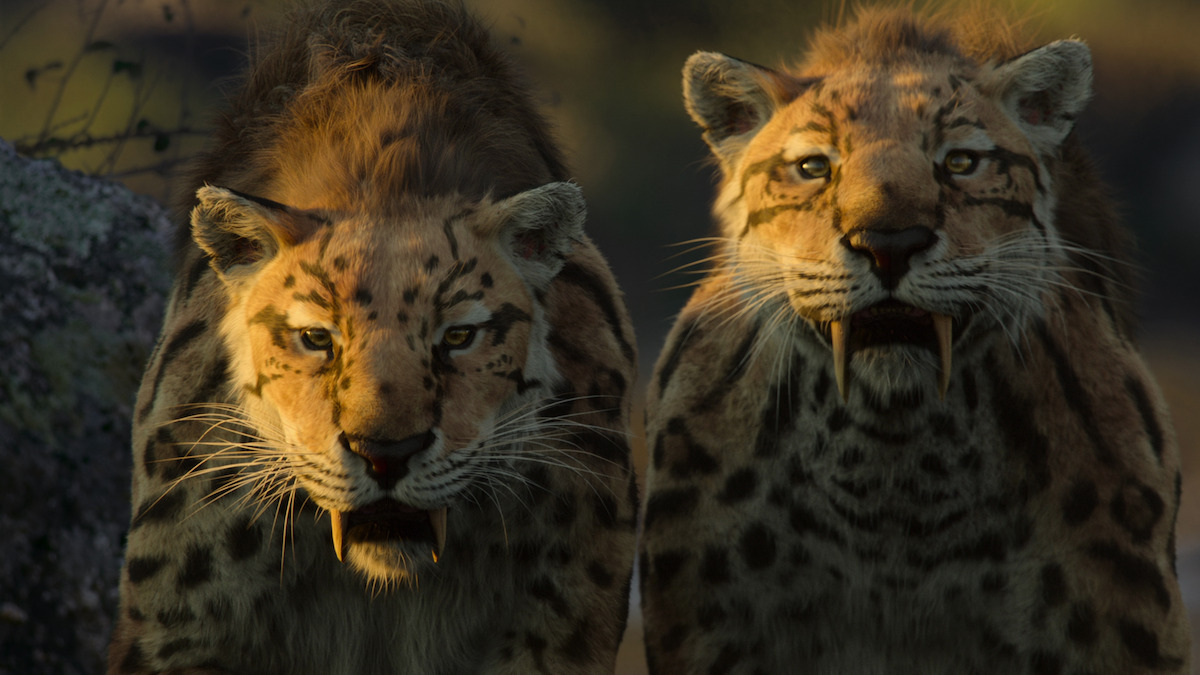
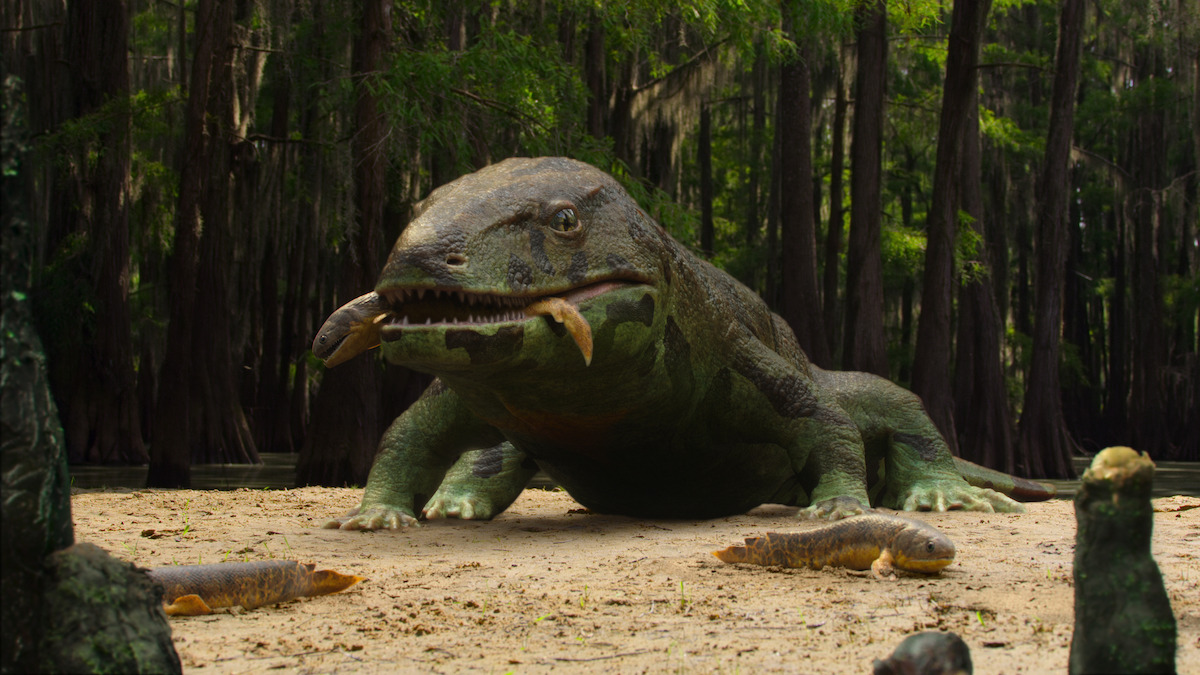
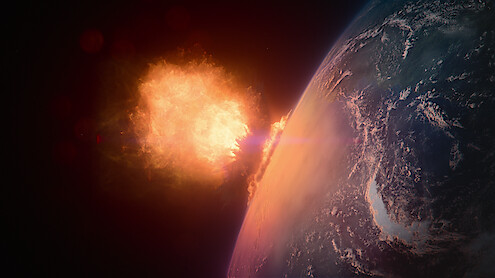
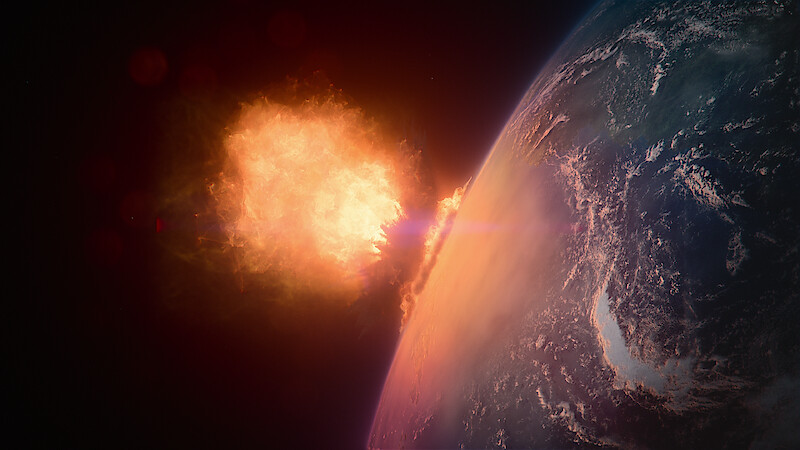
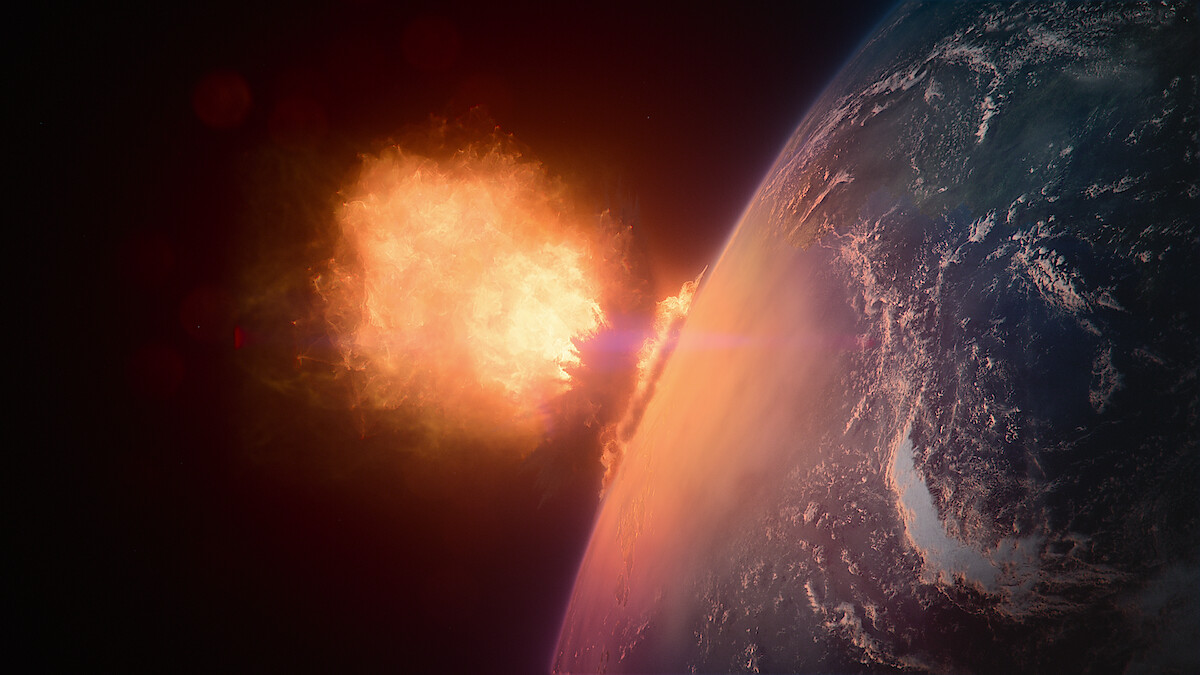
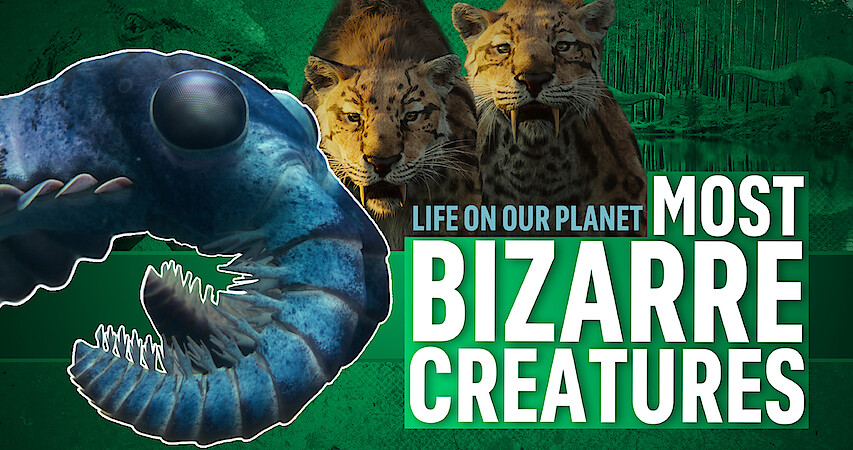
Four billion years. Millions of species. Five mass extinction events (and counting, but more on that later). It’s the story of Life on Our Planet, a stunning new series chronicling the ongoing rise and fall of lives on Earth, from the cataclysmic events that reshape our ecosystems to the creatures that survived (or didn’t) along the way. Because life always finds a way — but as this eight-part epic journey proves, the road from single-celled life-form to the biodiversity we know today was anything but drama free.
“By understanding our past, we can help shape our future,” Silverback series producer Keith Scholey told Netflix’s Queue. “The sixth mass extinction we’re currently living through is the first one created by an animal and also the first one that can be averted completely.”
How was Life on Our Planet made?
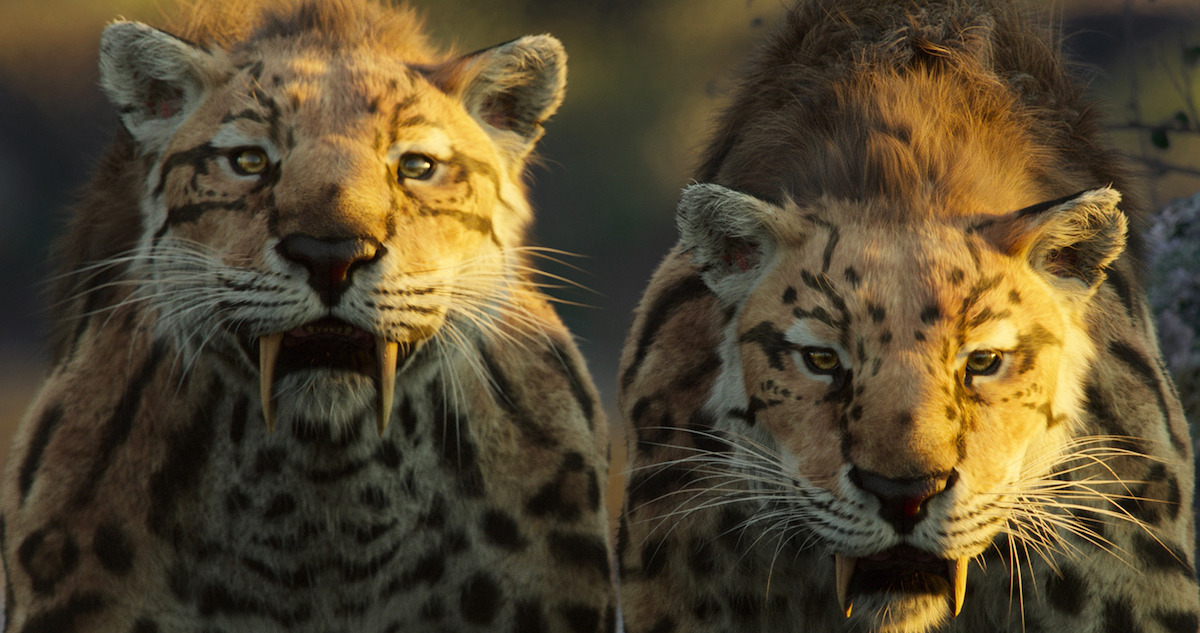
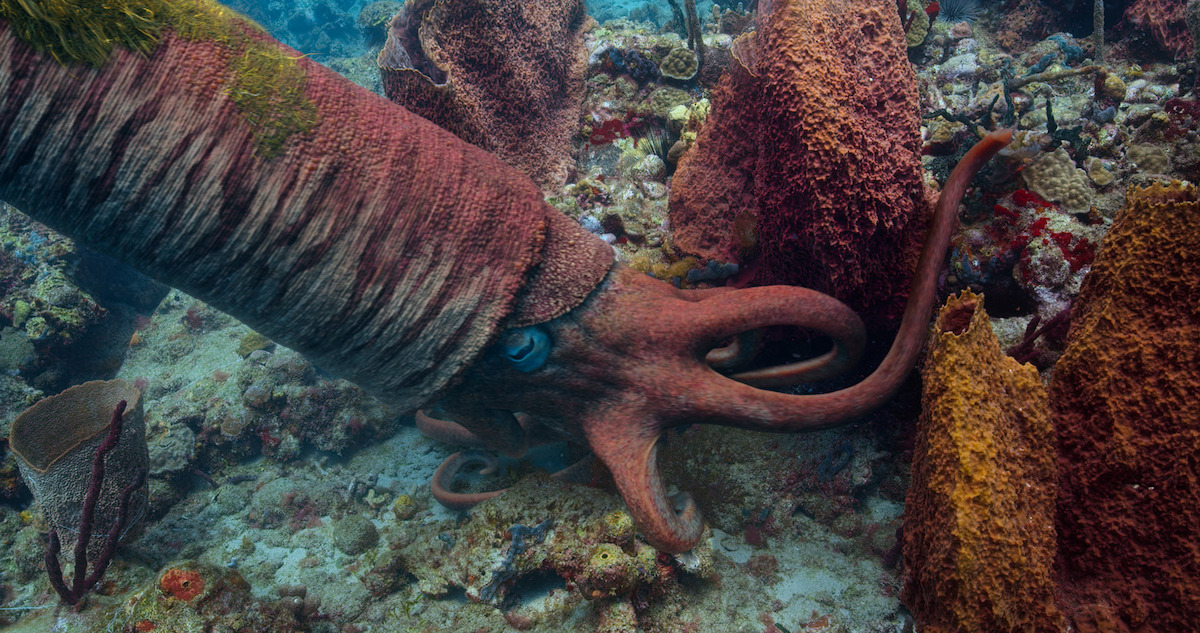
Created by Silverback Films and Steven Spielberg’s Amblin Television, Life on Our Planet uses the latest in paleontology and graphics technology to bring long-extinct creatures back to life, framing the story of the planet’s history via its five mass extinction events thus far — and what that means for life today.
For more information on how Life on Our Planet was made, click the link.
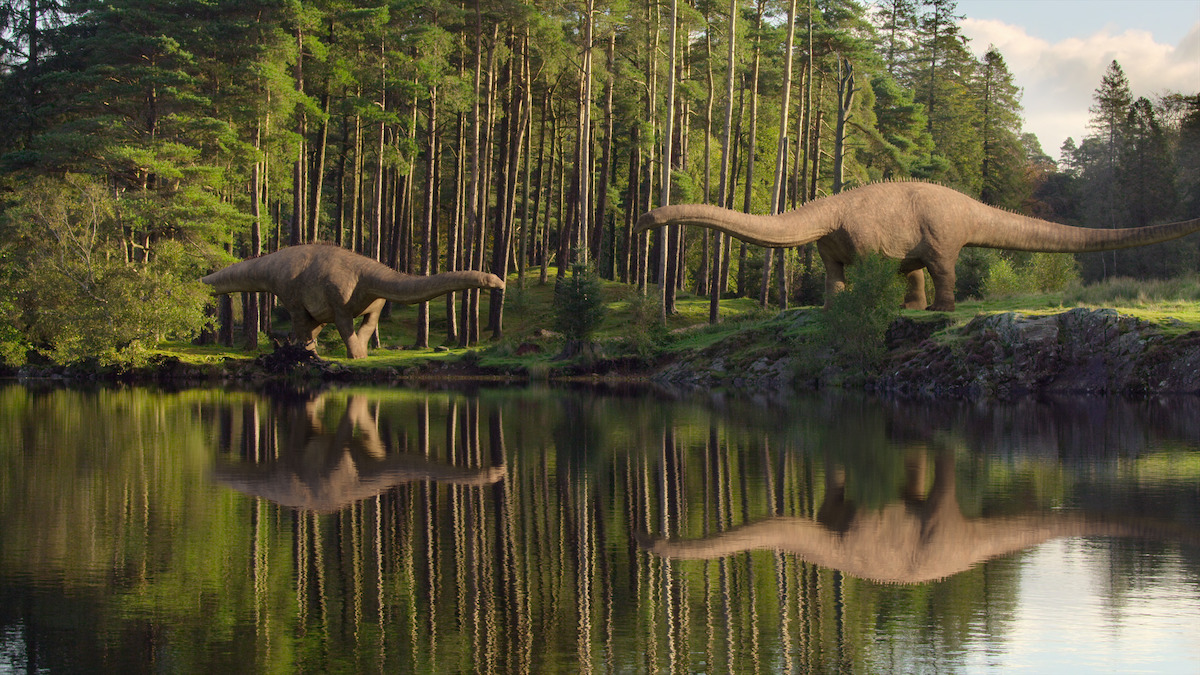
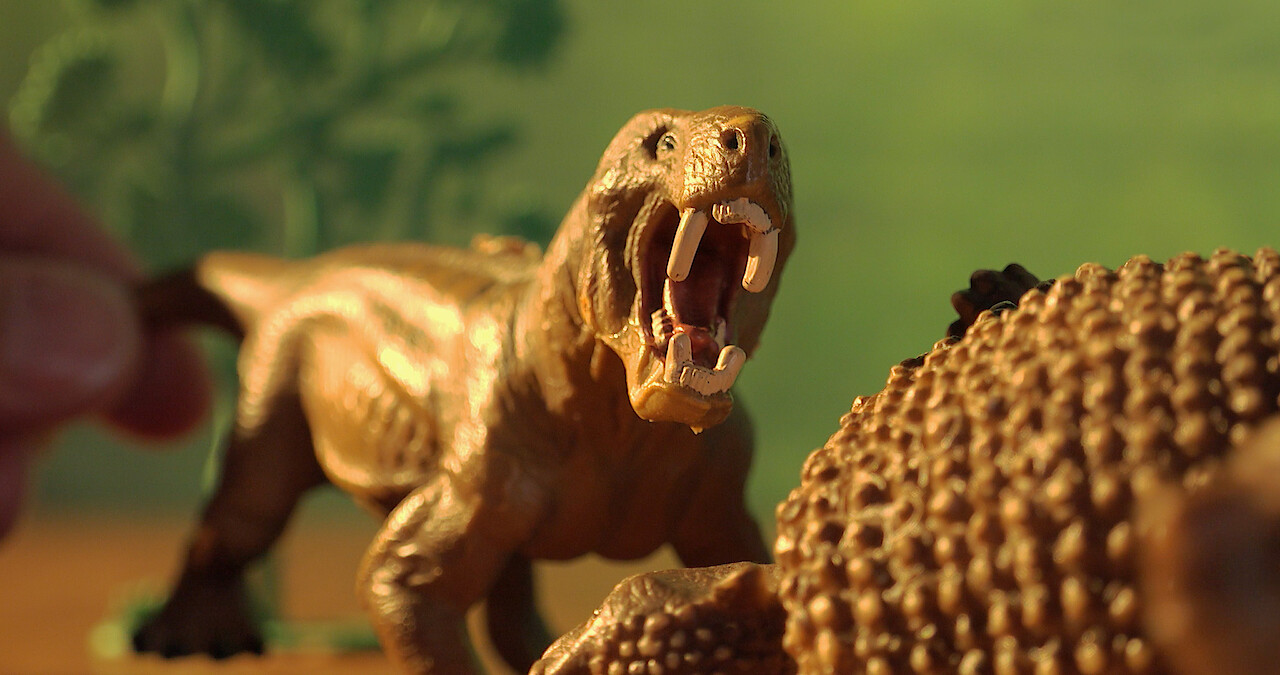
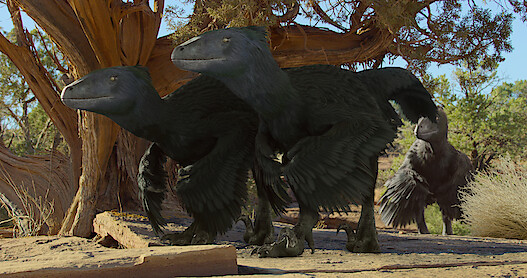
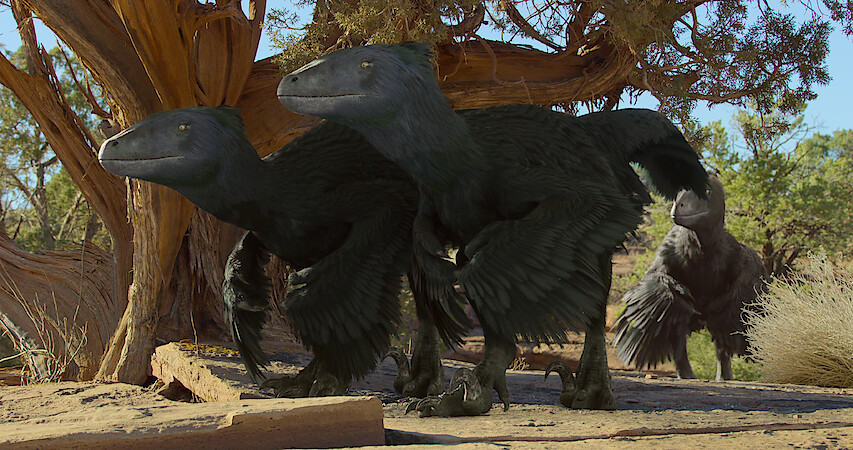
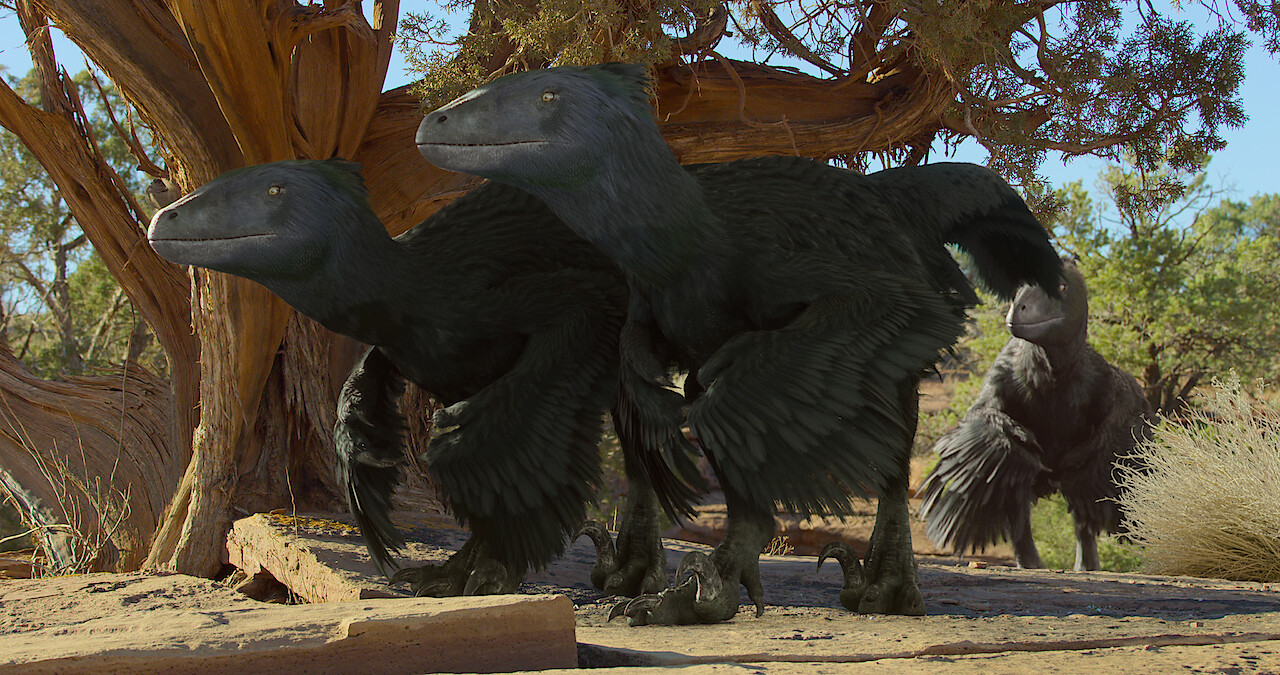
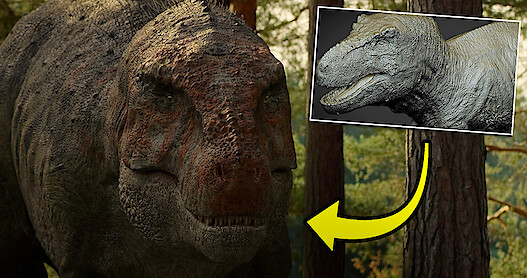
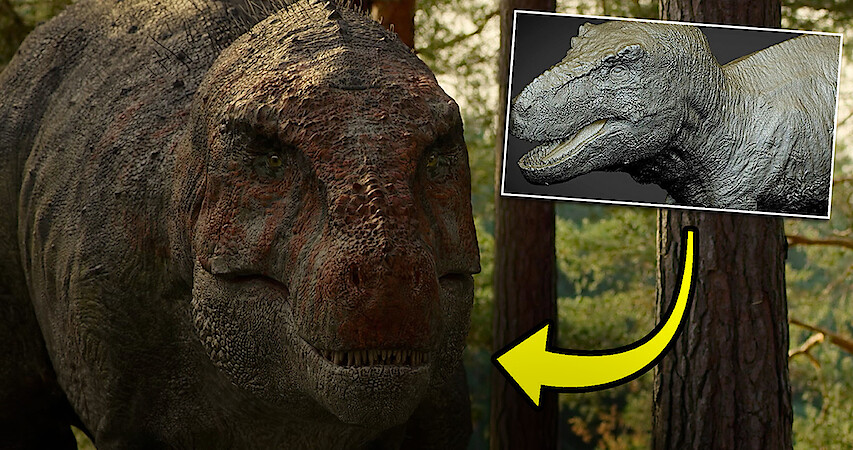
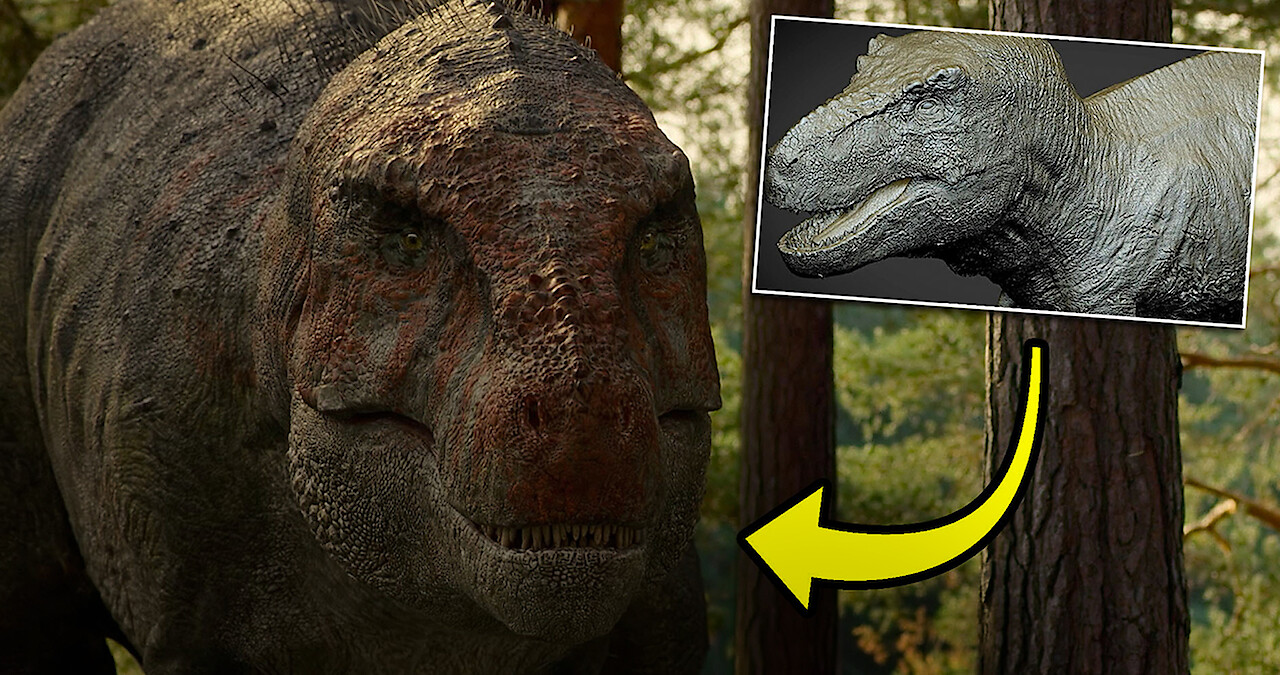
How did Life on Our Planet filmmakers know what dinosaurs actually looked like?
For Life on Our Planet, filmmakers from nature doc producers Silverback Films (Our Planet) consulted a total of 165 paleontologists and other Earth scientists to create the most accurate depictions possible.
Tom Fletcher, the lead scientific researcher on Life on Our Planet, a paleontologist and honorary fellow at the University of Leicester in England, says there was a tremendous amount of effort that went into getting it right.
“The opportunity to reach millions and millions of people was wonderful, if a little daunting,” Fletcher tells Tudum. “But four years later, I’m very happy to be telling 4 billion years of life history and delighted with how our creatures and their stories have panned out.”
To read more on what dinosaurs actually looked like — and how Life on Our Planet filmmakers figured it out — click the link.
Who is the Life on Our Planet narrator?
Does the voice of 4 billion years — and mass extinction — sound familiar? It’s none other than Academy Award winner Morgan Freeman.
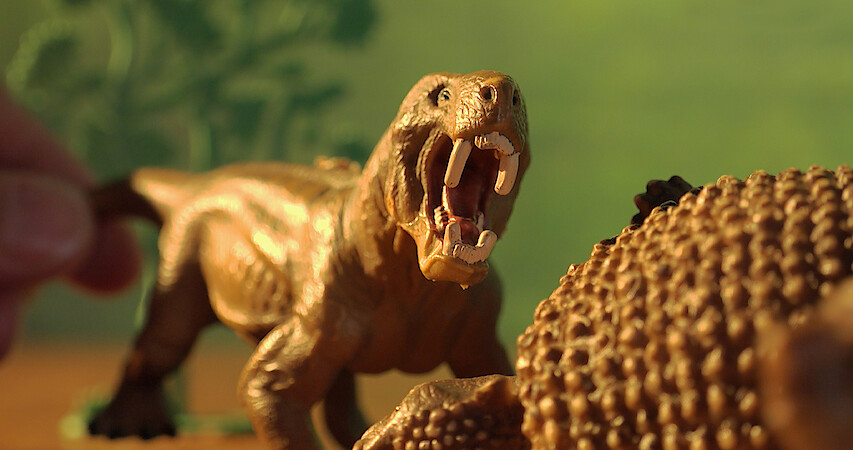
“When we did the commentary, what was really great was how he absolutely loved the subject,” says series producer Dan Tapster. “He was really into it — super knowledgeable and definitely passionate. But every now and then when looking at the creatures, he would suddenly suffer from a bout of the giggles.”
For more of Morgan Freeman’s creature-inspired giggling, check out this Life on Our Planet blooper reel:
Watch Life on Our Planet now.