
Up Close
How ‘Never Have I Ever’ Created a Household of Lovable, Messy Goddesses
From the first Vishwakumar family dinner to that showstopping dance sequence.
June 8, 2023
🤐 SPOILER ALERT 🤐
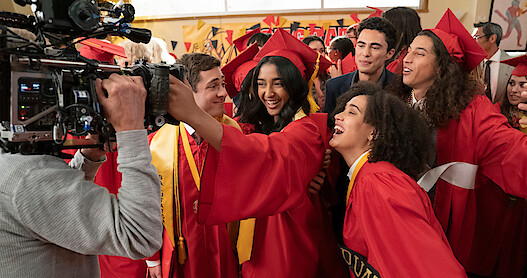
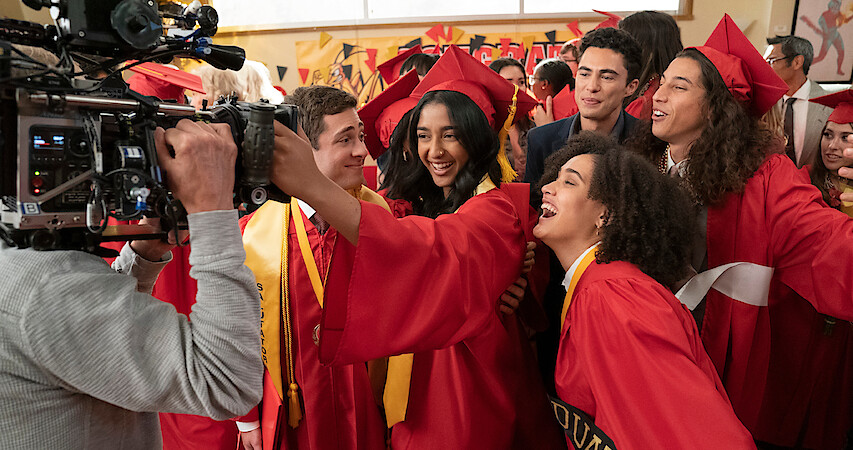
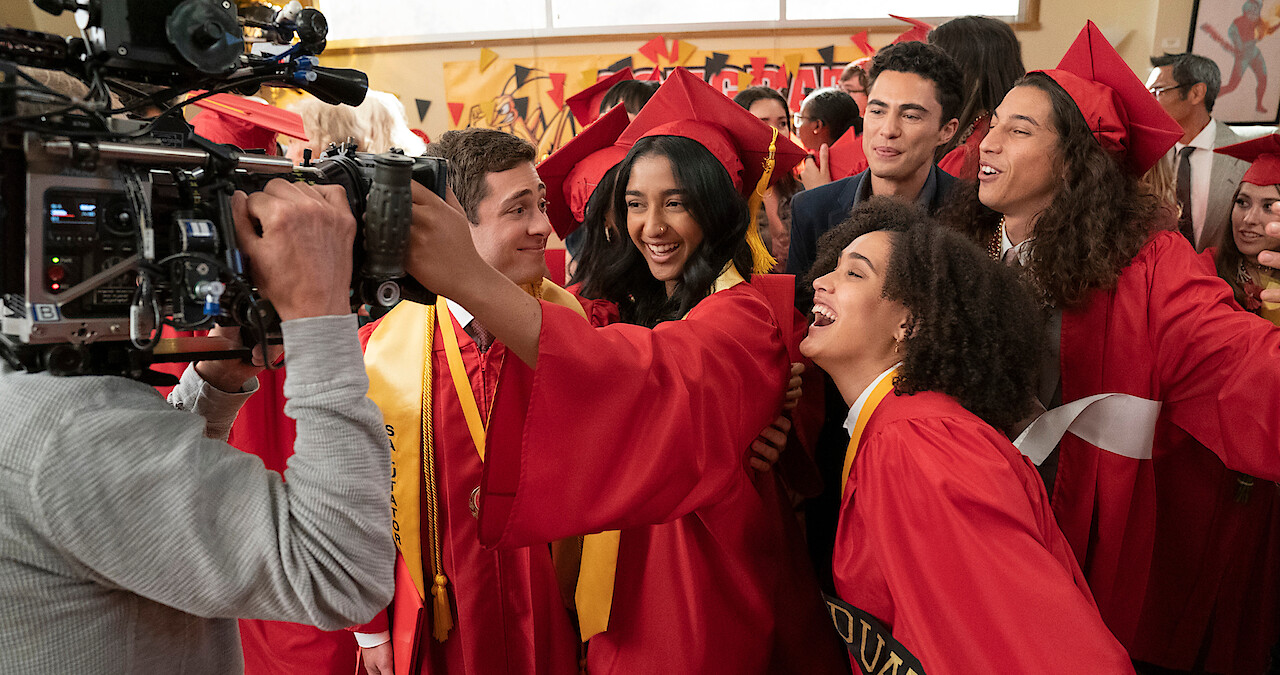
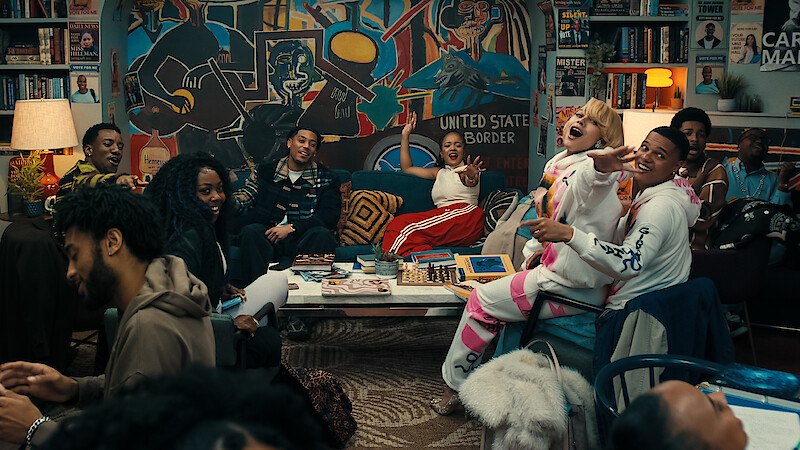
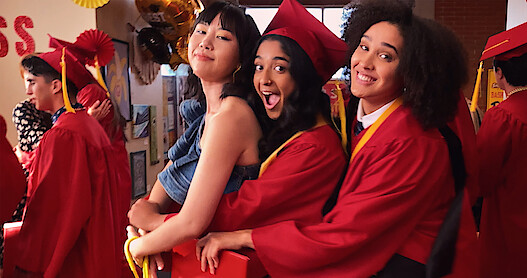
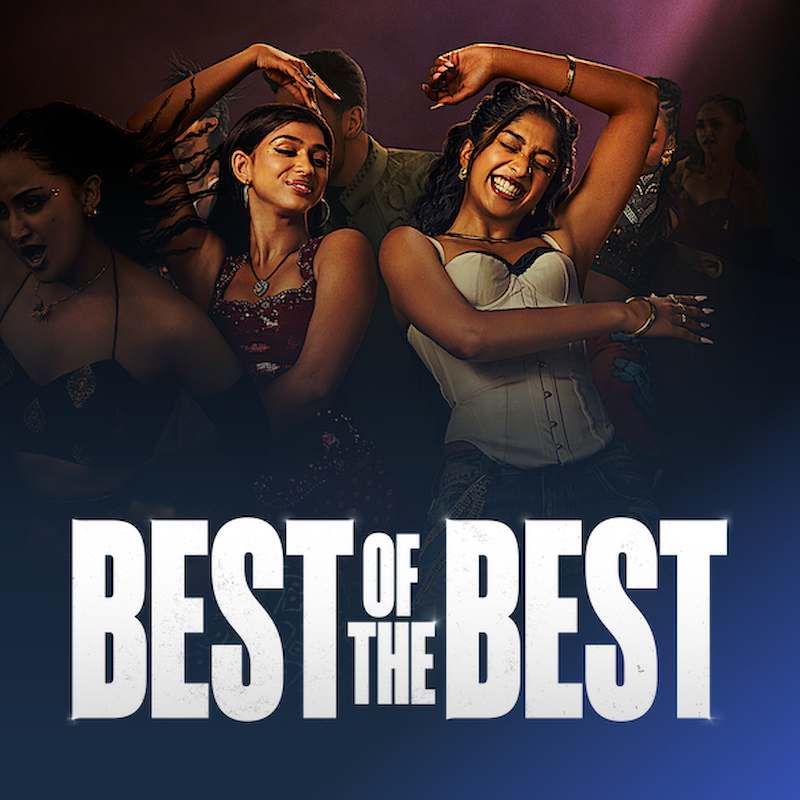
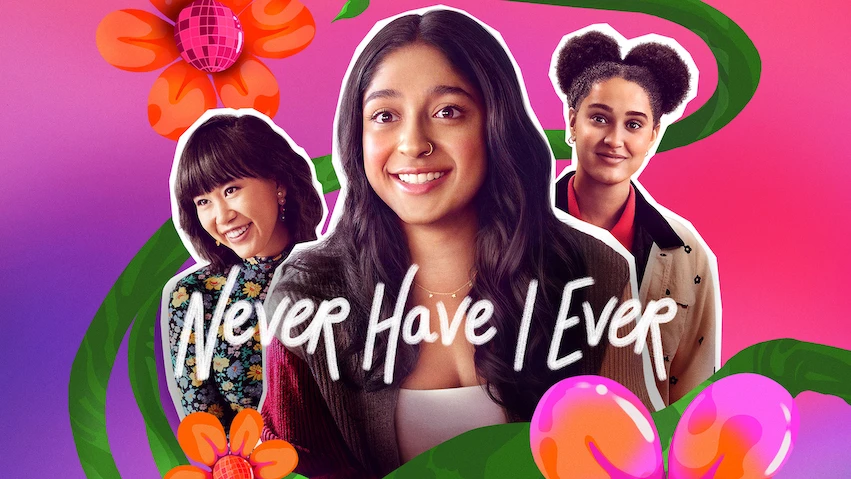
In the Never Have I Ever Season 4 finale, onlookers are shocked and delighted when protagonist Devi Vishwakumar (Maitreyi Ramakrishnan) and her scientist cousin Kamala (Richa Moorjani) break into an intricate, dazzling Indian dance at a Vishwakumar family wedding. Even Devi’s hard-to-impress doctor mom Nalini (Poorna Jagannathan) is impressed. Like the guests at the reception, Moorjani had no idea the moment was coming — until she got the script for the episode halfway through filming the teen comedy’s final season. But the news was still a welcome surprise for the Indian-American actor.
“I’ve been a dancer my whole life. I’ve done Indian dance, Bollywood dance, Indian classical dance,” Moorjani tells Tudum. “So it was literally my two worlds colliding when I was able to do it in Never Have I Ever.”
In fact, Moorjani and Ramakrishnan had been begging to show off their moves on Never Have I Ever for years. They filmed a practice video to Bollywood favorite “My Name Is Sheila” after Season 2 to entice co-creators Lang Fisher and Mindy Kaling into letting them dance; the Tamil song “Saami Saami” was ultimately used in the Season 4 scene. The Vishwakumars are Tamil and Hindu.
“The dance made total sense for the story. If there was a wedding, that’s what we would do in real life. We would perform at our relative’s wedding,” says Moorjani, who took to the floor during her own wedding after filming Season 1.
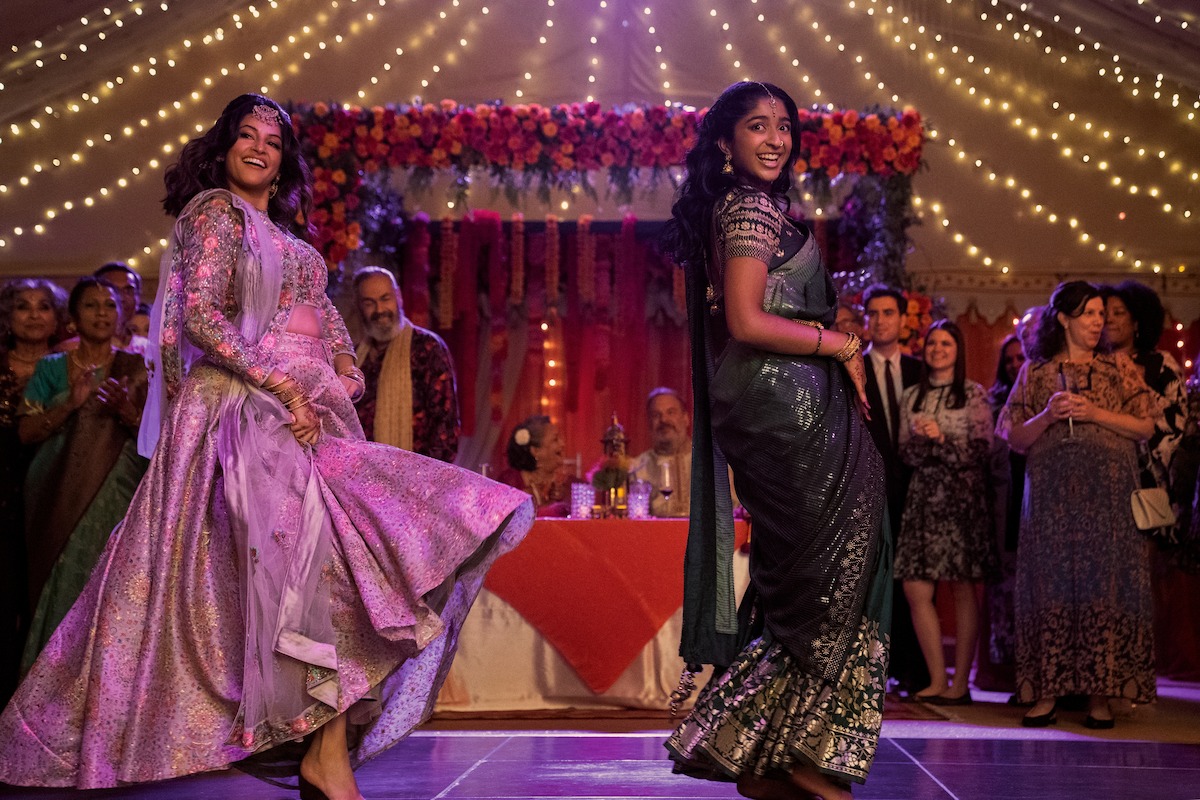
But the sequence isn’t just a fun bucket list item. It also allows Never Have I Ever to celebrate the multigenerational, South Indian-American Vishwakumar clan and their culture — mess and all — before saying goodbye. Don’t forget: Short-fused Devi dedicates her wedding dance to proving to her grandmother Nirmala (Ranjita Chakravarty) that she respects her roots.
“All of these women have flaws. They all have rage, they’re layered,” Moorjani says. “That’s so exciting because that’s real life.”
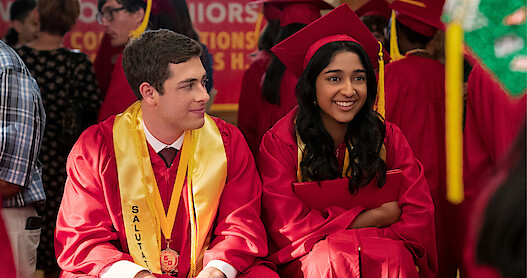
“Pro-messy” Ramakrishnan is proud of Devi’s place in the YA comedy realm. While she’s singular as the Indian-American lead of a high school sitcom, Devi is also someone who showed viewers that Southeast girls can be angry, funny, grief-stricken, competitive, “thirsty,” bad daughters, great daughters and inexplicably fixated on coyotes — sometimes all at once. They are not a model minority monolith.
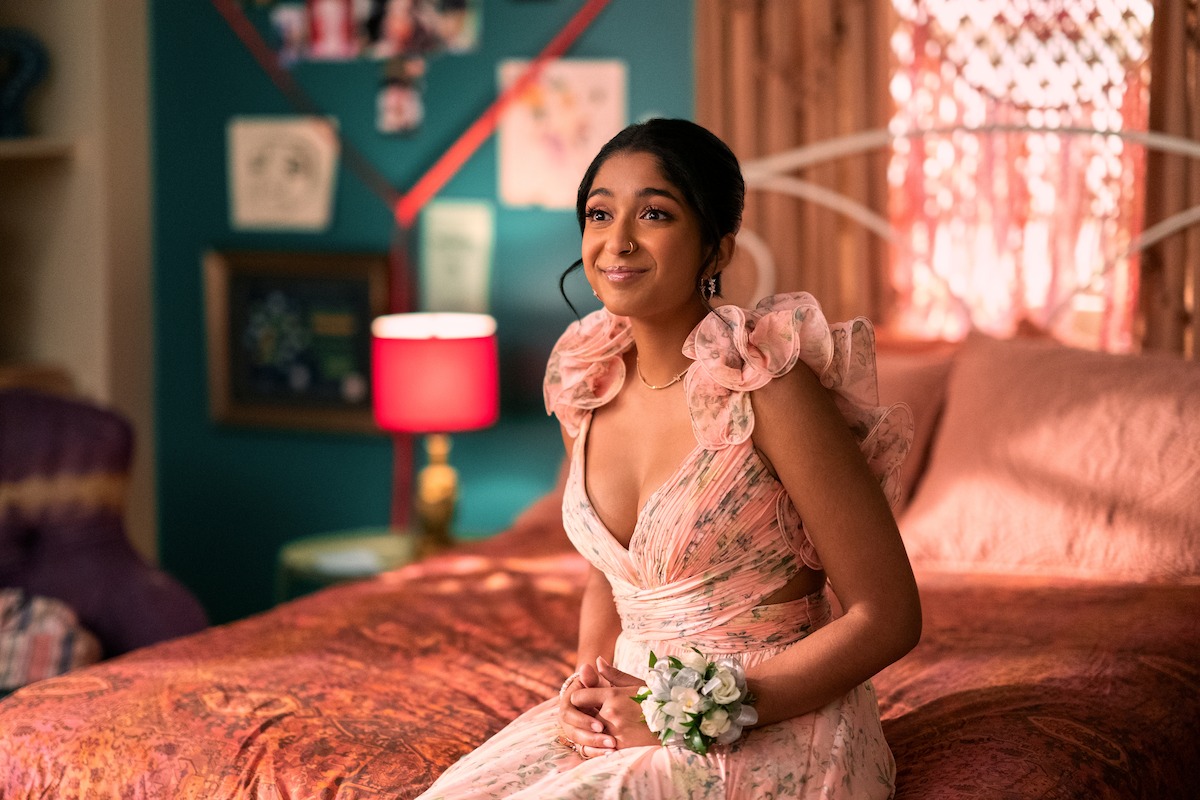
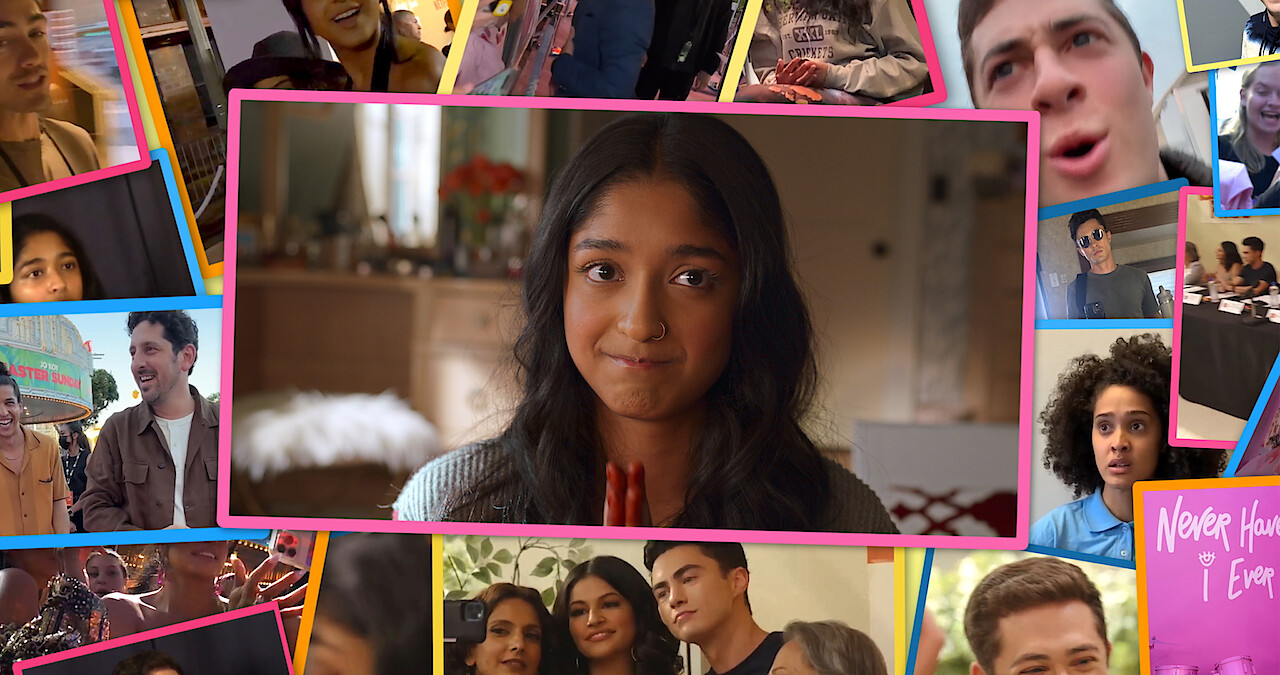
“I'm so grateful [for] the character of Devi. We went on a journey,” Ramakrishnan tells Tudum. At one point in Season 1, the Canadian actor worried she would be defined by her larger-than-life character — rather than her own identity. But eventually, Ramakrishnan realized Devi’s influence was so much bigger than herself. “I grew to love what Devi means to so many people,” she says. “I really soaked in what Devi meant to fans, what Devi has done as a whole for South Asian representation.”
Although Devi is at the center of Never Have I Ever, the story shines a light on three other generations of Vishwakumar women, as Devi’s cousin, mother and grandmother all struggle and triumph in Sherman Oaks. Jagannathan, who portrays Nalini, had never experienced such a “personal”-feeling project. “We were on set and looking out into a sea of South Asian faces,” she tells Tudum. “The magnitude of that. It’s never happened in my career. I could never imagine that this day would come.”
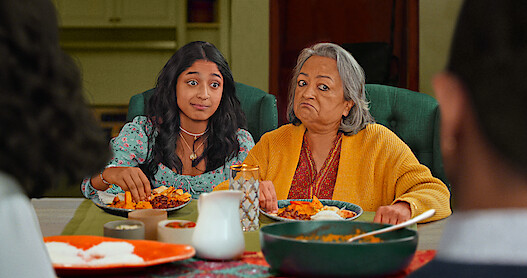
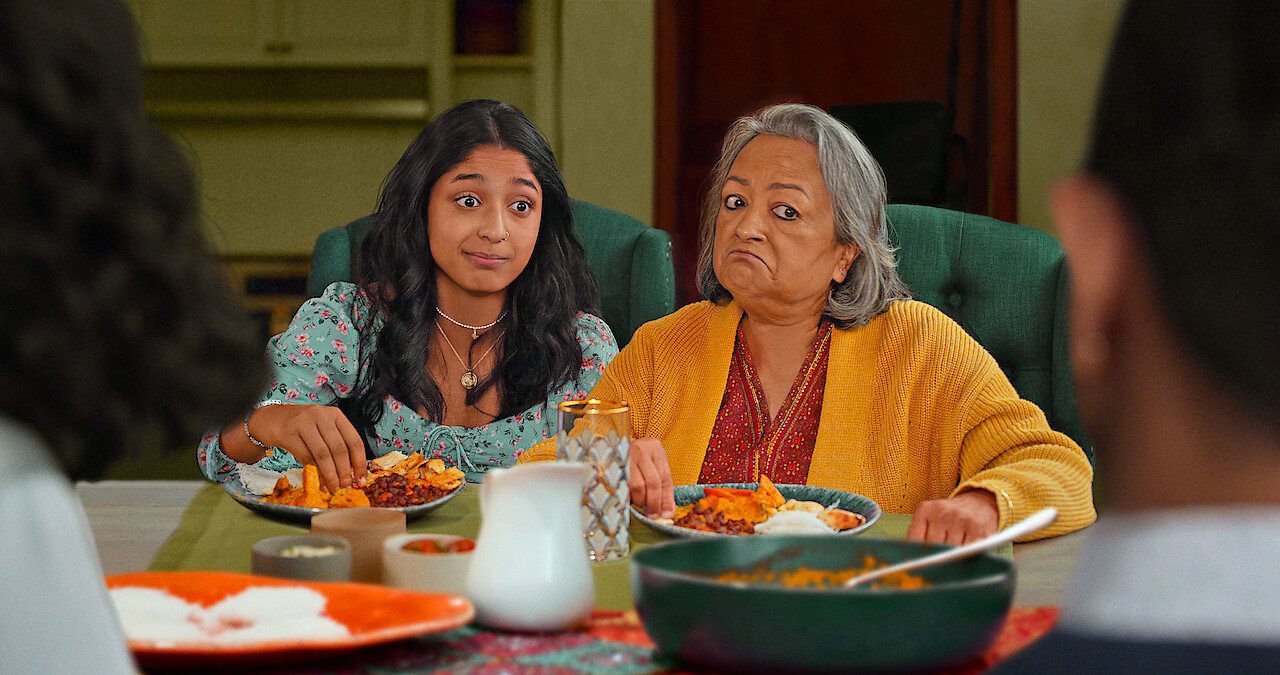
Jagannathan is particularly touched, since Never Have I Ever reflects her own upbringing. Her cousin lived with her family during her teen years, along with her grandma. “Growing up it was like, ‘Oh my God. What corner of the house [can I be in]?’ ” she recalls. It’s easy to imagine Devi asking a similar question; in the series premiere, she leaves the dinner table simply because she can’t take Kamala’s apparent ease at finding a husband (it’s an arranged marriage), even if Kamala is less than enthused about the prospect. These cousins might live under one roof, but they have wildly different perspectives.
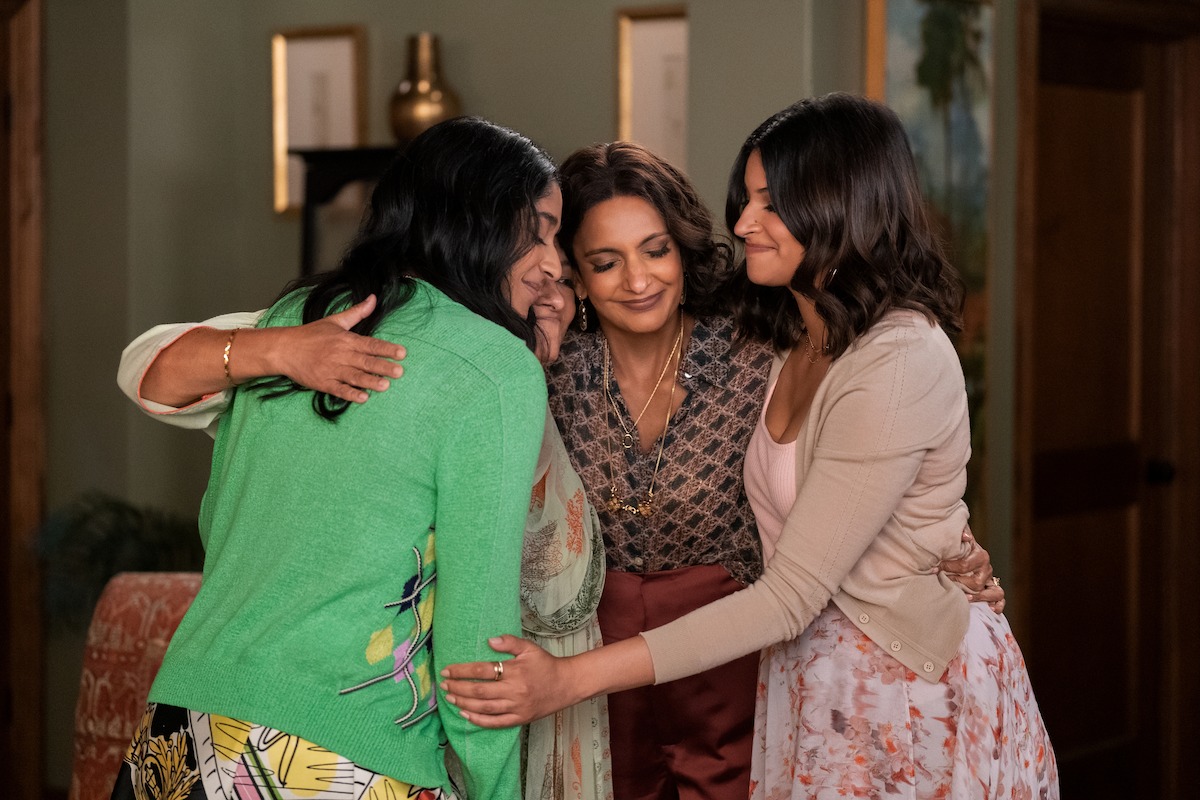
“It’s a household of goddesses — a gorgeous intergenerational goddess family,” Jagannathan says. “Where we’re all making mistakes. We’re all human.”
At the top of that joint family structure is Devi’s Patti, or grandmother, Nirmala. We meet her in Season 2, Episode 2, when Nalini visits her mother-in-law in Chennai, India. It’s immediately clear these two women are carrying the same immense heartache over the sudden death of Mohan (Sendhil Ramamurthy), their respective husband and son. In a poignant sign of care, Nirmala massages Nalini’s scalp and feeds her paruppu, a traditional lentil dish. It’s the first time in a while that the recently widowed Nalini can remember feeling cared for.
“It’s not the usual trope [where] mother-in-laws are painted in a very bad light, at least in many Indian projects — like they’re wicked witches of the west. Nirmala really was being very nurturing,” Chakravarty says. The actor has also ended up with a lot of real-life requests for head massages. “I’m like, ‘No, you’re not my daughter-in-law!’ ”
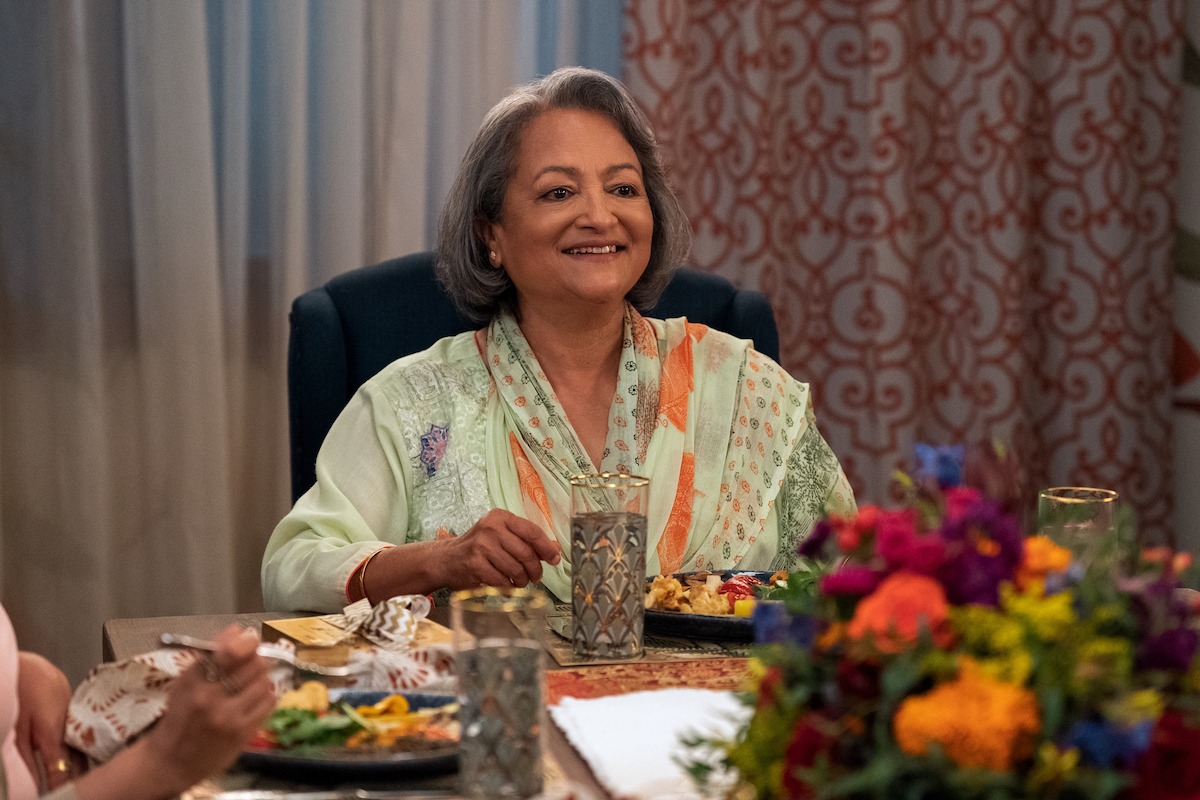
Even though Nirmala enters Never Have I Ever as “a sweet old grandma,” as Chakravarty calls her, she also proves to be “sassy,” “stern,” and, by Season 4, silly. The Vishwakumar matriarch is just as likely to hang out at the local temple as she is to go walk around the mall with her clique.
“What makes Patti so interesting is that she’s not just a cranky old person. She’s open to possibilities and doing the American thing,” Chakravarty says. “She could be sitting and moping all day like ‘Oh, I have to do so much work. I’m so exhausted. I don’t have time to have fun.’ But she’s this independent person who’s taking Uber.”
Patti’s evolution proves just how much of an impact the intergenerational dynamic of the Vishwakumar has had on her. Yes, Devi might be constantly striving to make her Patti and mother happy — but, as Jagannathan says, “they’ve all learned and grown tremendously from Devi” too.
Moorjani has met fans in all corners of the world who have embraced her Never Have I Ever family — whether they’re Indian or not. “It really just shows how a universal story like this transcends all barriers and cultures and languages,” she says. “The bond between these women are what makes it so special.”
Additional reporting by Jean Bentley.