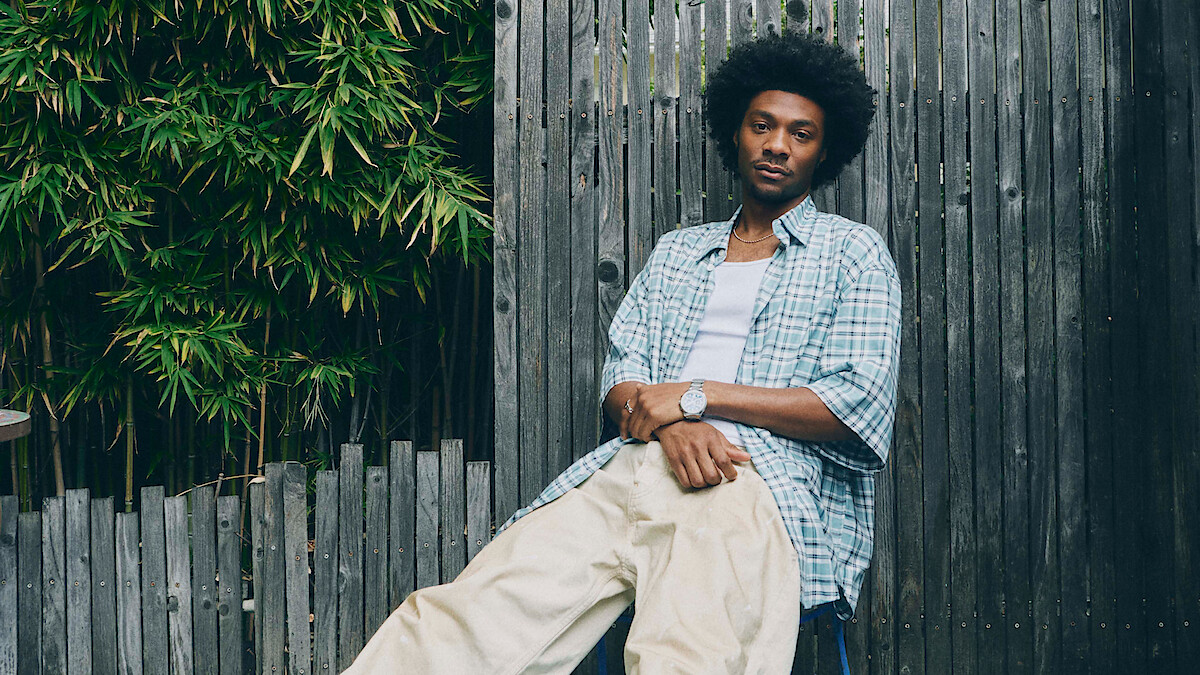
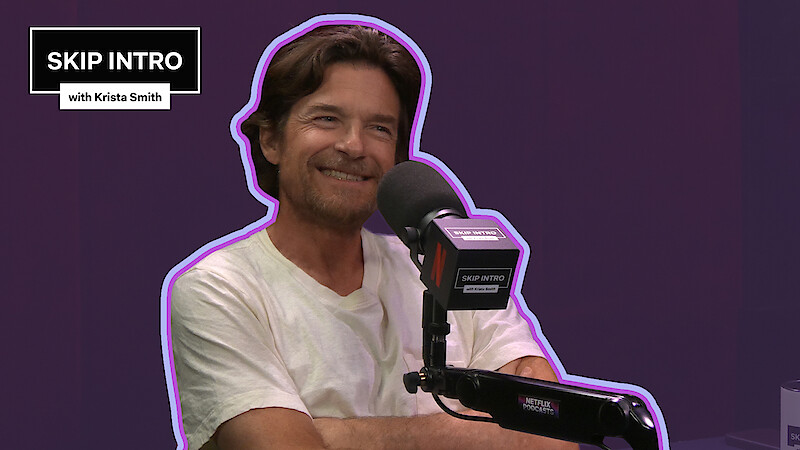
Ozark is pure fiction, but award-winning journalist Sam Quinones knows there’s nothing fake about the drug cartels. He’s been reporting on them for almost 20 years. “I didn't mean to be doing this this long, honestly,” he shares. “One story leads to another.”
For a decade, he lived in and reported on Mexico and spent another decade working at the Los Angeles Times covering drug trafficking, gangs and immigration.
Quinones recounts those nonfiction tales in his work with the Times and books including Antonio's Gun and Delfino's Dream: True Tales of Mexican Migration (2007) and his National Book Critics Circle Award-winning work, Dreamland: The True Tale of America's Opiate Epidemic (2015). In his most recent book, The Least of Us: True Tales of America and Hope in the Time of Fentanyl and Meth, he explores American life while trying to answer the question of how Mexican methamphetamine ended up in one American town.
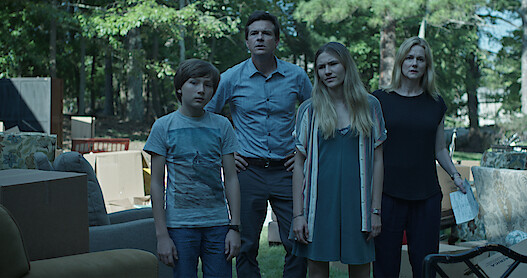
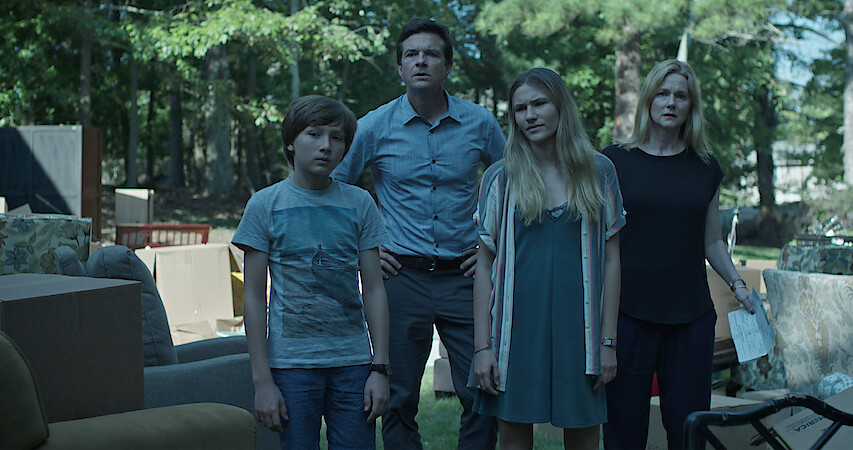
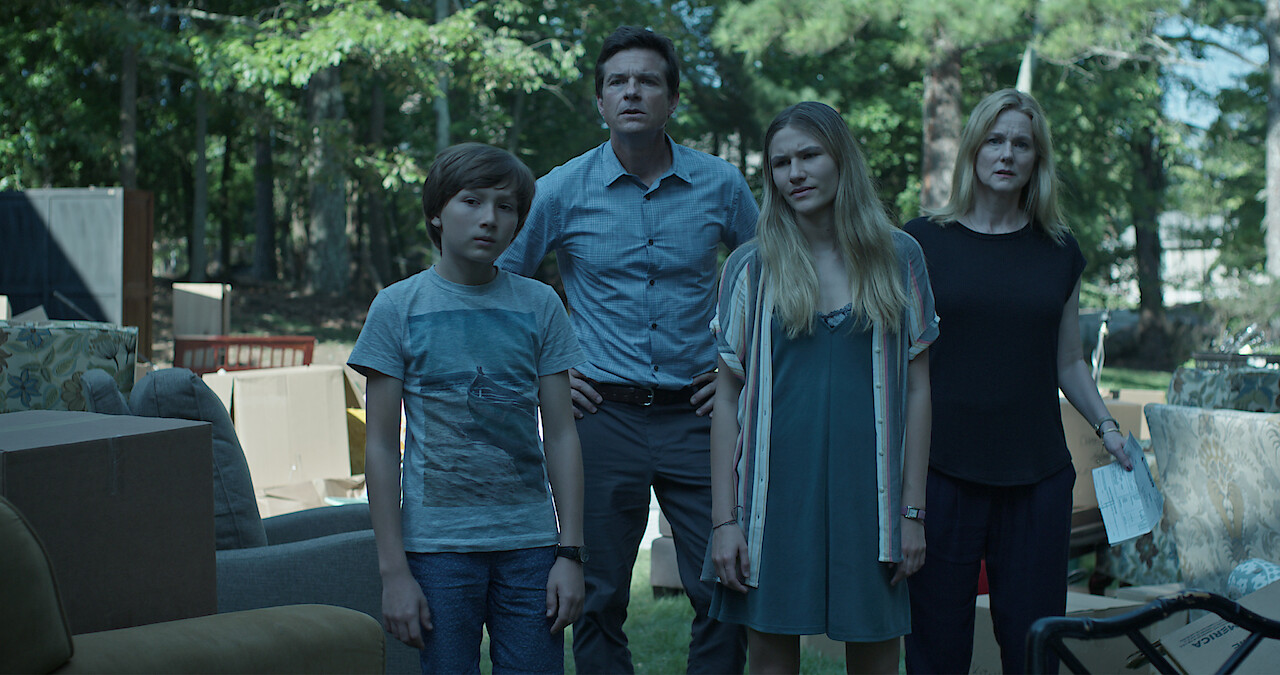
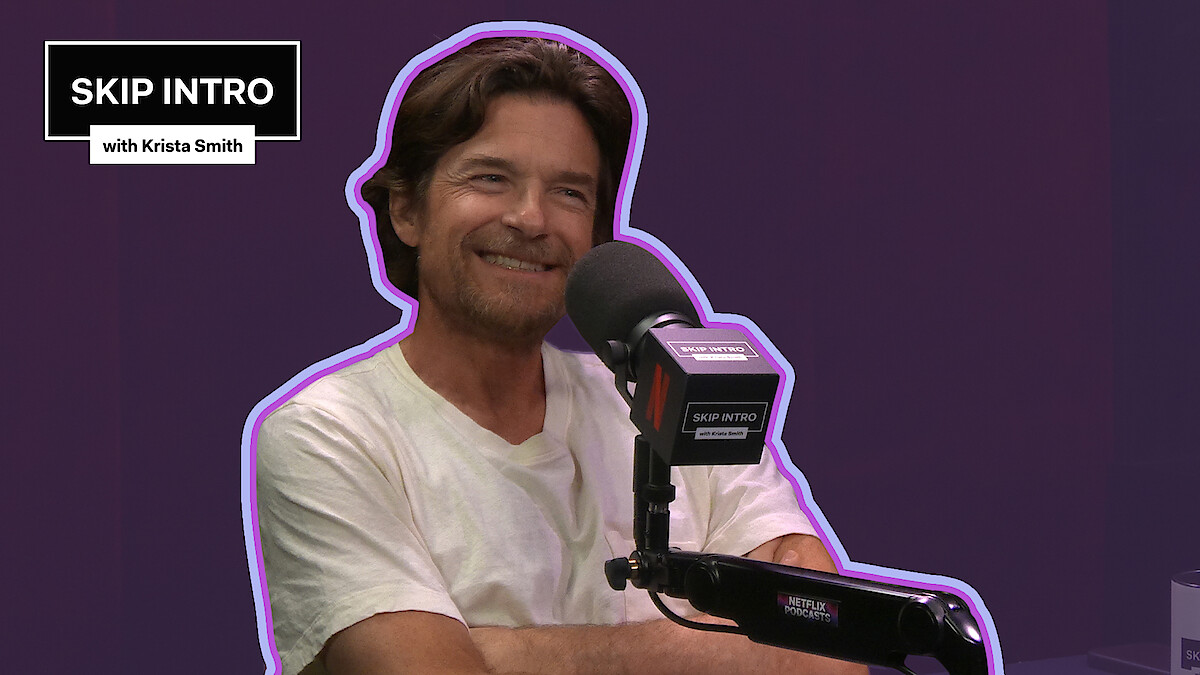
Quinones is also familiar with Ozark, which centers on financial advisor turned drug-money launderer Marty Byrde and his family, who essentially live as hostages of a prominent Mexican drug cartel. Ahead of Ozark Season 4: Part 1, Quinones spoke with Tudum about cartel practices, the logistics of money laundering, the plausibility of real-life Marty Byrdes and more.
In all of your years covering the cartels, has there ever been anyone like Marty Byrde?
I'm going to say yes, there has been. This whole drug trafficking world works because they've got people on the lower level working with them and people finding ways of laundering money.
One way that they've been doing a lot of this lately is through the Fashion District in Los Angeles. It's called a peso exchange, where you pay for products here and then you have them made in Mexico and you sell the products and you get the money. It's a complicated, convoluted thing, but it's been used a lot. Markets, money-wiring services, whatever is in immigrant communities that's [a] cash business — restaurants, all of that kind of stuff. I would say, though, if you're asking someone to launder $500 million, it would be difficult to do that in any kind of rapid way without a bank.
Doing that in the middle of the Ozarks seems impossible.
I wouldn't see how you would pull that off. Somebody would notice that. Just too large a sum of money. The big difference [between] Mexico and the United States — both countries have drug traffickers and drug dealers and people who will agree to be corrupted and work in a corrupt way for their own financial gain. Our system of justice is significantly superior, in my opinion, to the one in Mexico. We have not had, since the Italian mob went down, the equivalent of a [El] Chapo Guzmán.
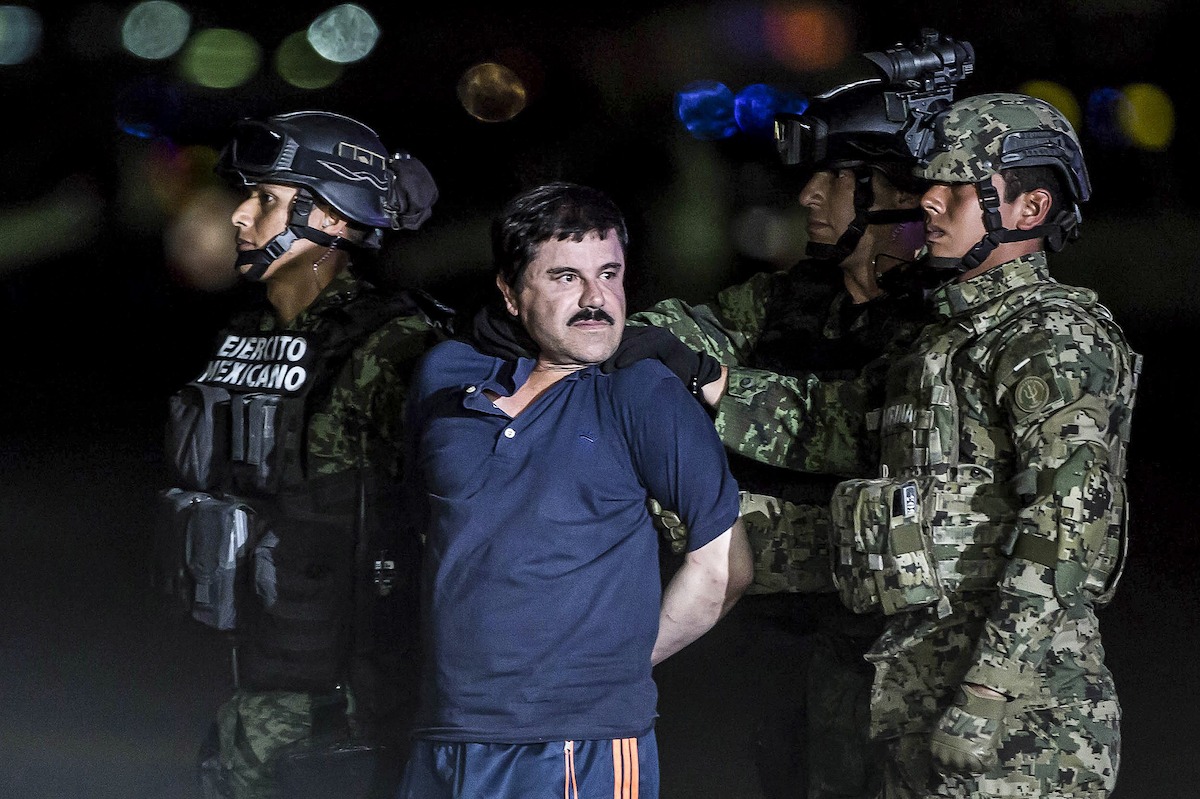
Daniel Cardenas/Anadolu Agency/Getty Images
How realistic is it that a vacation town in Missouri could be home to drug trafficking, money laundering and local drug kingpins with opium fields?
It's a pretty realistic situation. Frequently, folks in Mexico, particularly higher-ups, are looking for locals to be their conduits for the dope to the local population, and then also businesses, particularly cash businesses, as places to launder the money. They're constantly looking for those sources.
How much of a drug cartel’s revenue comes from the Midwest?
A very, very high amount. The truth is, the Mexican cartel presence is pretty much everywhere in the United States now. There’s some areas where it may be lighter than others, but you have Chicago in the Midwest, you have Indianapolis in the Midwest, you have Nashville, you have Cincinnati and Columbus. [The cartels] know the place. I would say the Midwest is an enormous market.
In my latest book, I tell this story of a guy in Columbus, Ohio, who gets out of prison [and was] unable to find a job. He said a friend put him in contact with a Mexican source who had apparently almost unlimited amounts of methamphetamine to sell. They set up a connection. The [supplier] went back to Mexico and immediately began sending 50, 100 pounds to 150 pounds, maybe something like that, of meth every week to this guy. So it's the local sources that are very, very important. And this can take the form of almost anybody who wants, who shows himself willing, to get involved in business and [is] able to move product.
Do drug cartels commit violence in the US, or are they scared that they will be sent to American prisons?
All they have to do is look in our federal prison system, and they'll see thousands and thousands of Mexican drug traffickers who are doing many, many years in prison there. They understand why you don't mess around with violence in a place where rule of law is respected. There's no business reason why you should use violence in the United States. There's ample market for everybody in the United States. That's not true in Mexico. In the United States, when it comes to this market, there's room for everybody. And so why go around creating the kind of violence that you see in Mexico? It just doesn't happen. On occasion, [the cartels] will take care of business, but it's very rare that the victim is not of the Mexican [drug] trafficking world himself.
You’ve also written about the opioid epidemic in the US. Have the Mexican drug cartels ever tried to jump into this market?
As far as I know, they have never sold mass quantities of Oxycontin or Percocet, actual brands or the actual branded pills. What they have done is make counterfeit versions of those pills, particularly in the last few years, really amping up that business. Those pills don't contain anything but fentanyl. Those are being produced by, I would say, the tens of millions now.
Between the Mexican drug cartels, American drug dealers and opioid pharmaceutical companies, which group is the most responsible for the most deaths in the US?
It's very hard to say. For a lot of years, the overdose deaths were due to overdoses of prescription pain pills, but then increasingly, gradually, [it] became heroin. Now it's really fentanyl. Seventy percent or some damn thing. [According to the CDC, synthetic opioids contributed to almost 73% of opioid-involved overdose deaths in the US in 2019.] The prescription pain pills came from pharmaceutical companies and from doctors prescribing them. The heroin and the fentanyl, of course, comes from the underworld and now pretty much all from the Mexican underworld. There's culpability across the board.
Between Narcos, Blow, Ozark and other media, the story of the cartels resonates with people in the US a lot more than other types of crime — maybe sans mafia stuff. Why do you think that is?
We have always had a fascination with the underworld, right? I mean, I don't think it started with this topic at all. Look at the Godfather movies. Look at the movie Scarface with [Al] Pacino. We have always felt that. It's just that the groups that are now in the headlines are the Mexican trafficking groups and their connections to locals and gangs locally in the United States. Every group has had their day. There's Mexico now; [many drugs are] either made in Mexico, grown in Mexico or coming through Mexico.