Dávid Lukács/Netflix
Behind the Scenes
How ‘Shadow and Bone’ Created Shu Han in Season 2
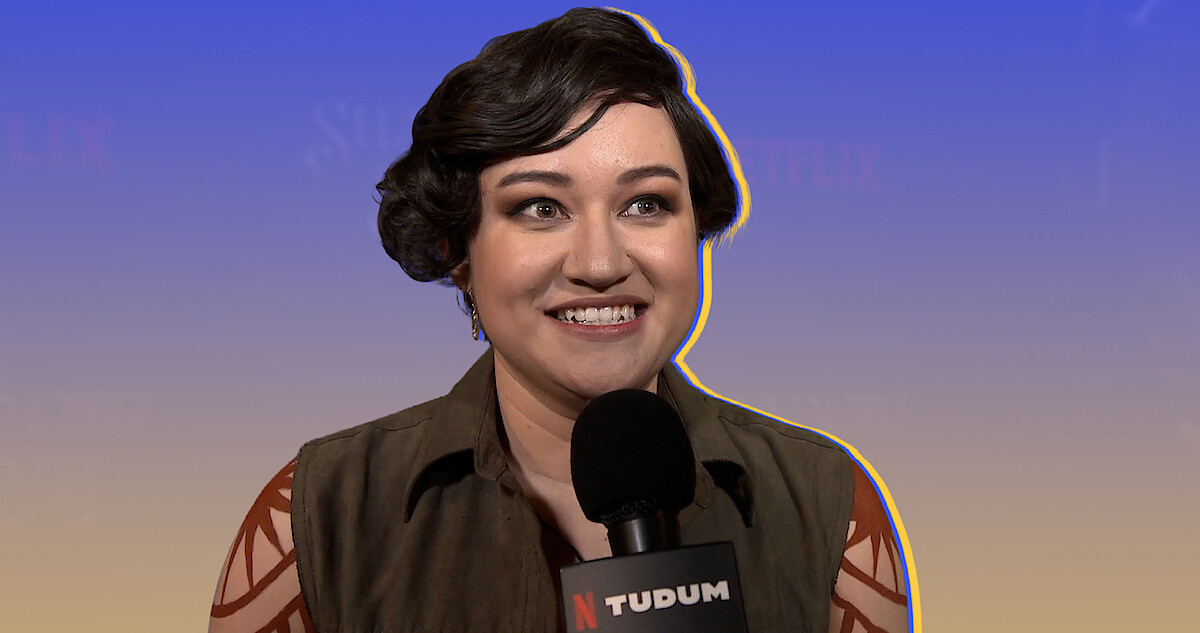
Writer Christina Strain was “excited and terrified” to make the journey.
March 16, 2023
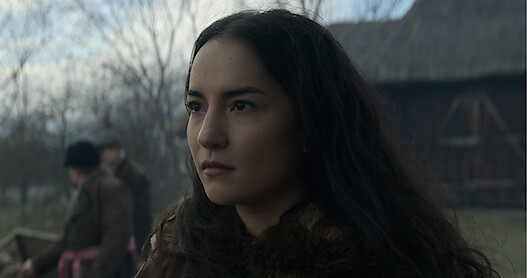
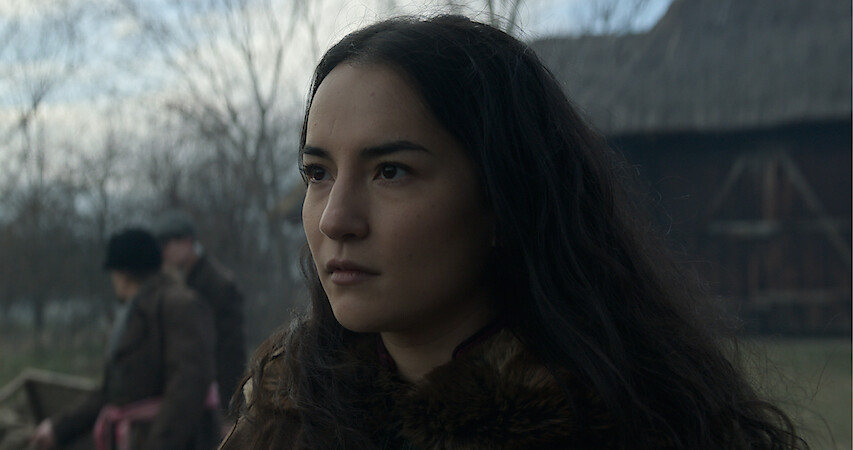
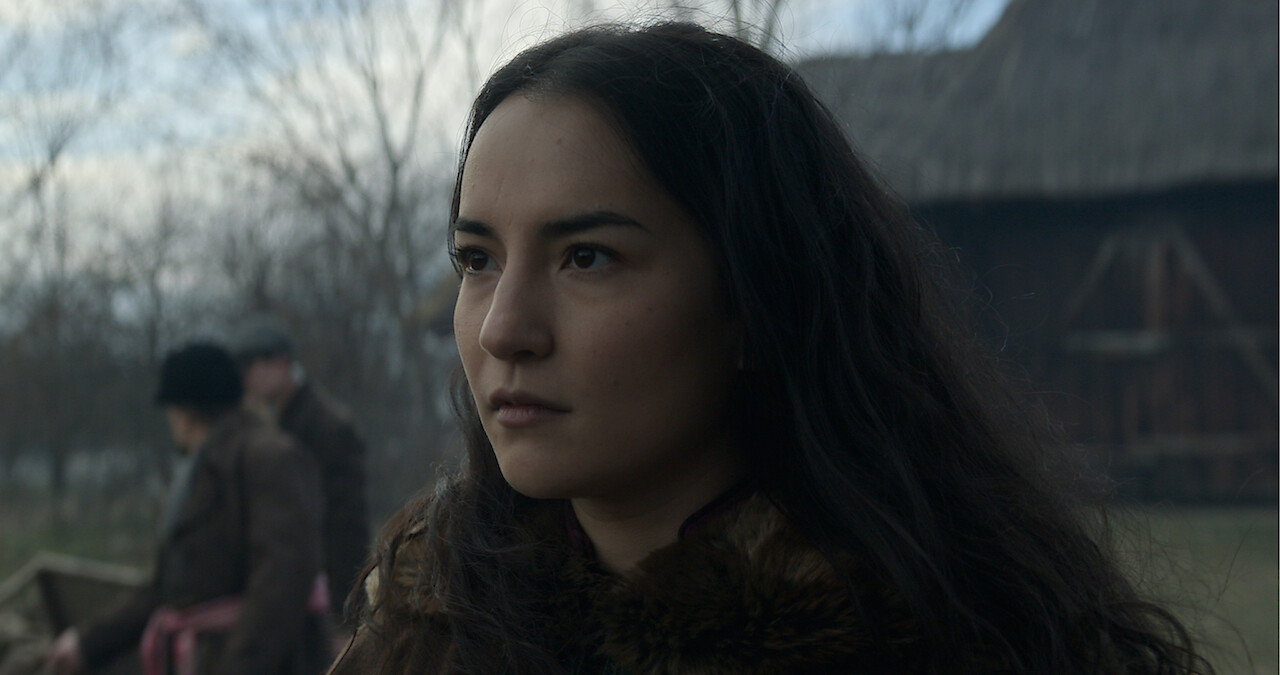
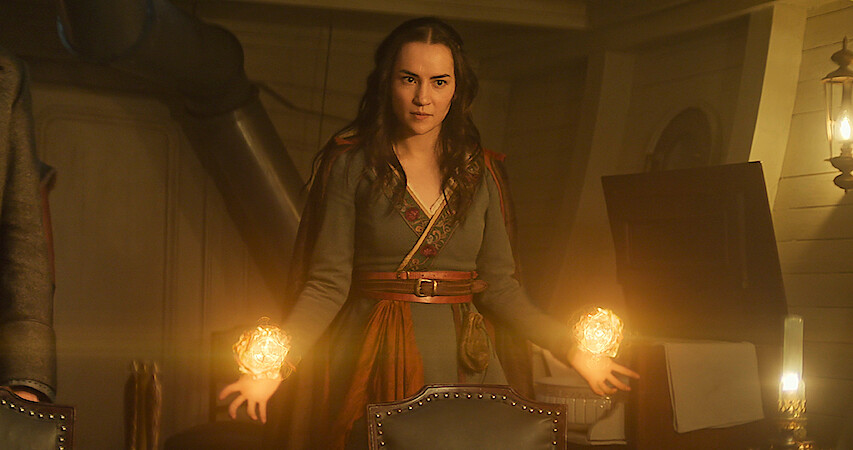
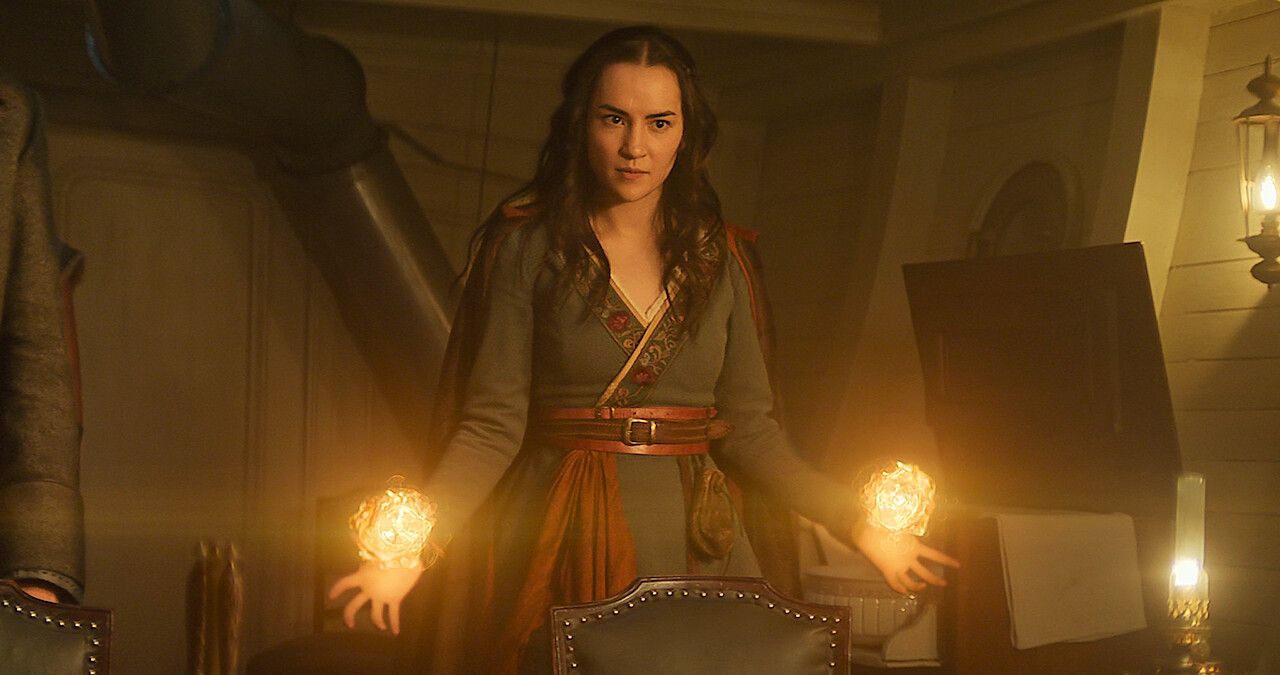
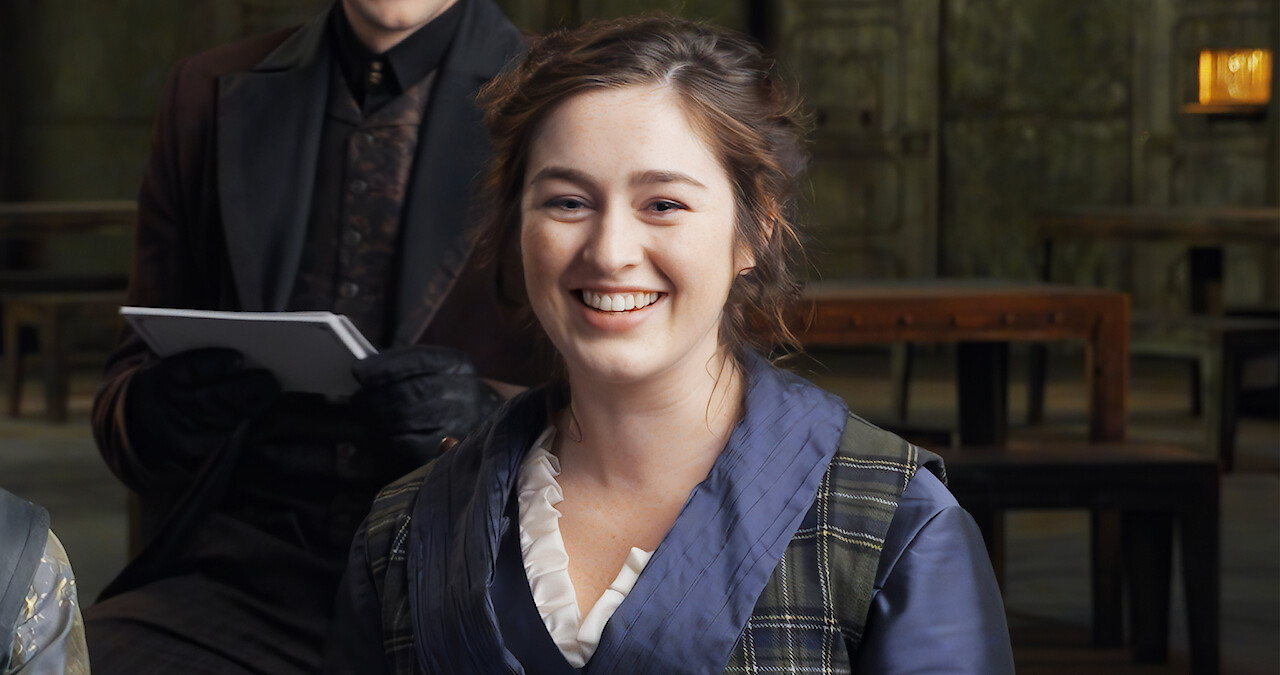
When Shadow and Bone newcomer Lewis Tan first saw Alina Starkov (Jessie Mei Li) in Season 1, he was moved. “There’s a reason why a lot of Asian actors only talk about a few other people that they watched as a kid — because that’s all there was,” he tells Tudum. But, there was Mei Li as Shadow and Bone’s sun-summoning savior, whose biracial identity is an important part of the character. Tan, along with Mei Li and his on-screen sister Anna Leong Brophy, are also biracial actors.
Though she was raised in Ravka, Alina is part Ravkan and part Shu, and was always stigmatized for her Shu heritage. In the series, Shu Han is inspired by East Asia and Ravka by imperial Russia; the two nations have frosty relations and a trade war, making it more than a little difficult for someone like Alina to grow up in Ravka.
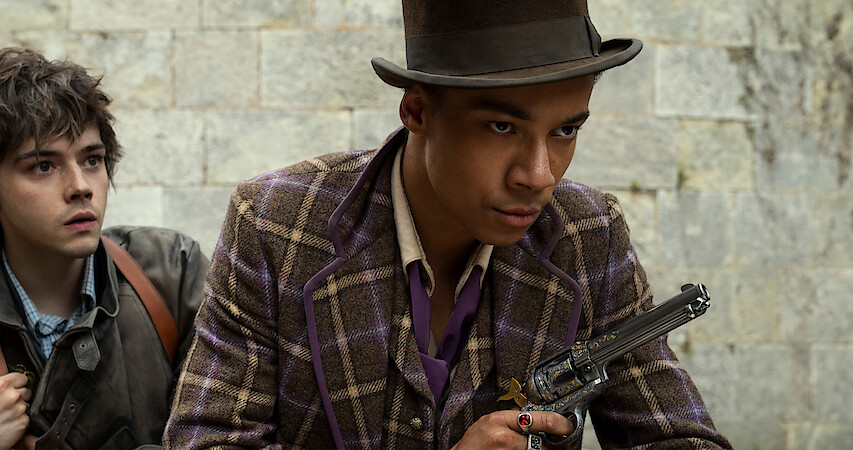
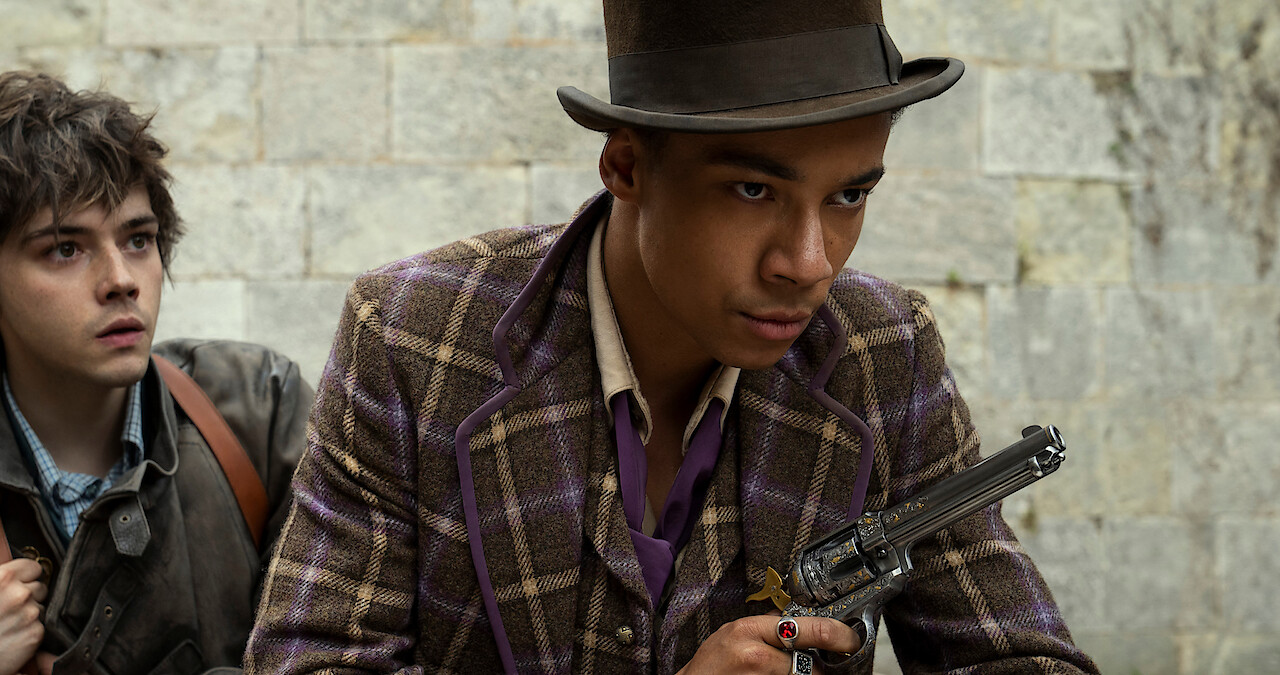
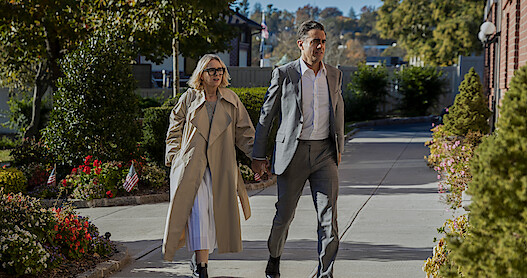
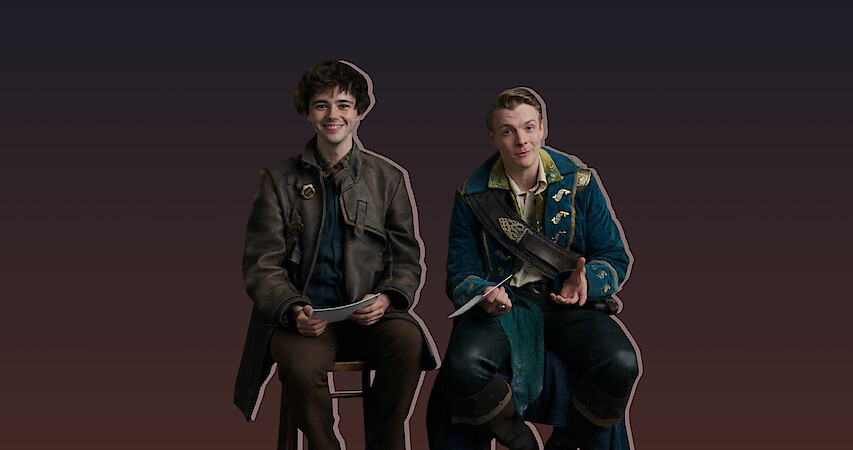
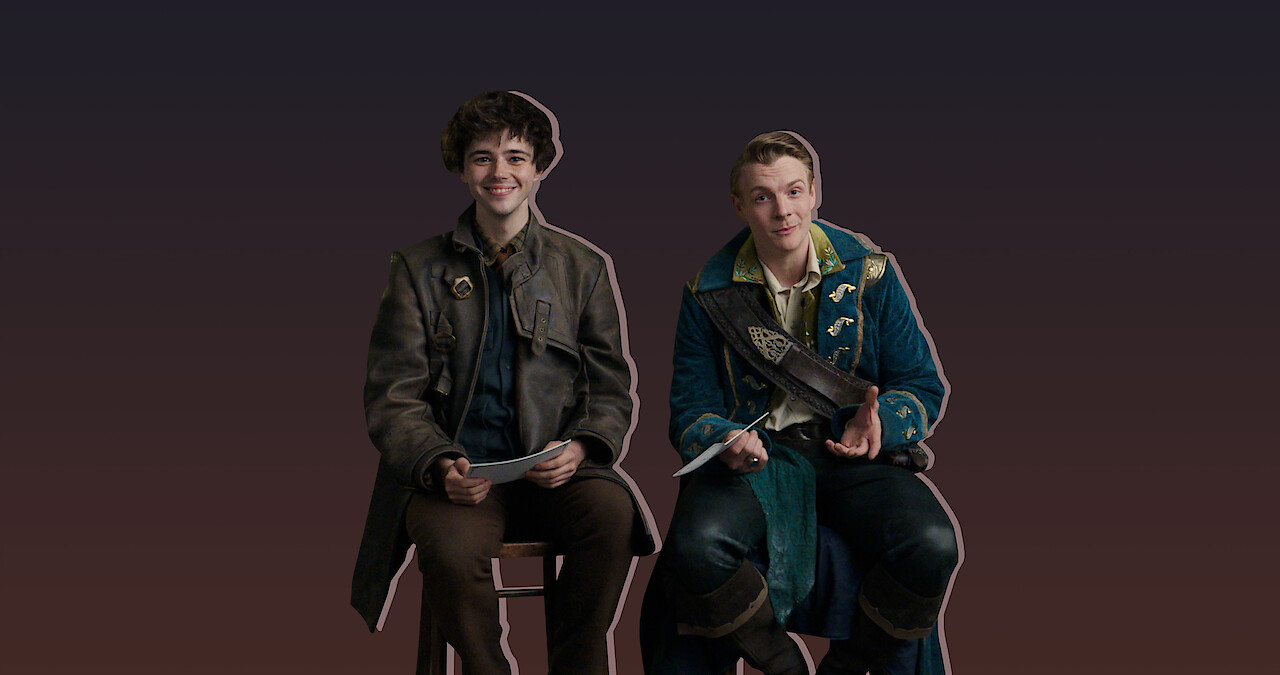
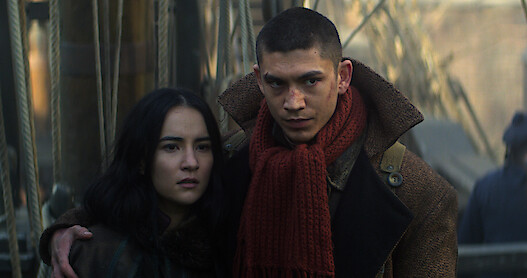
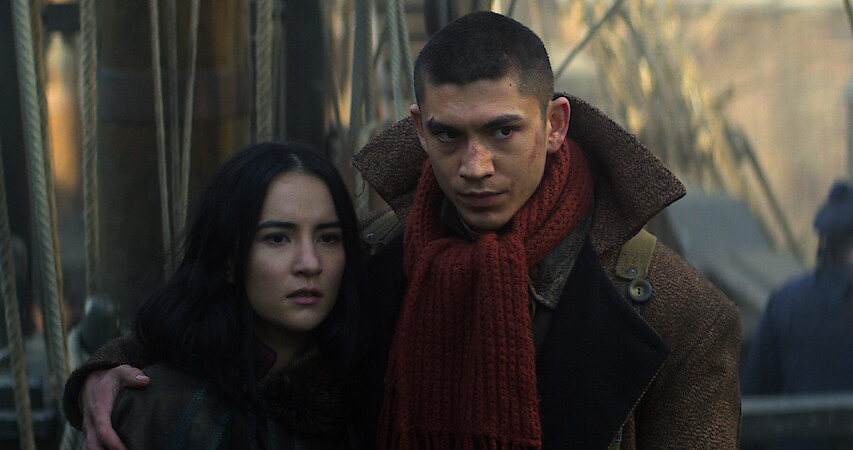
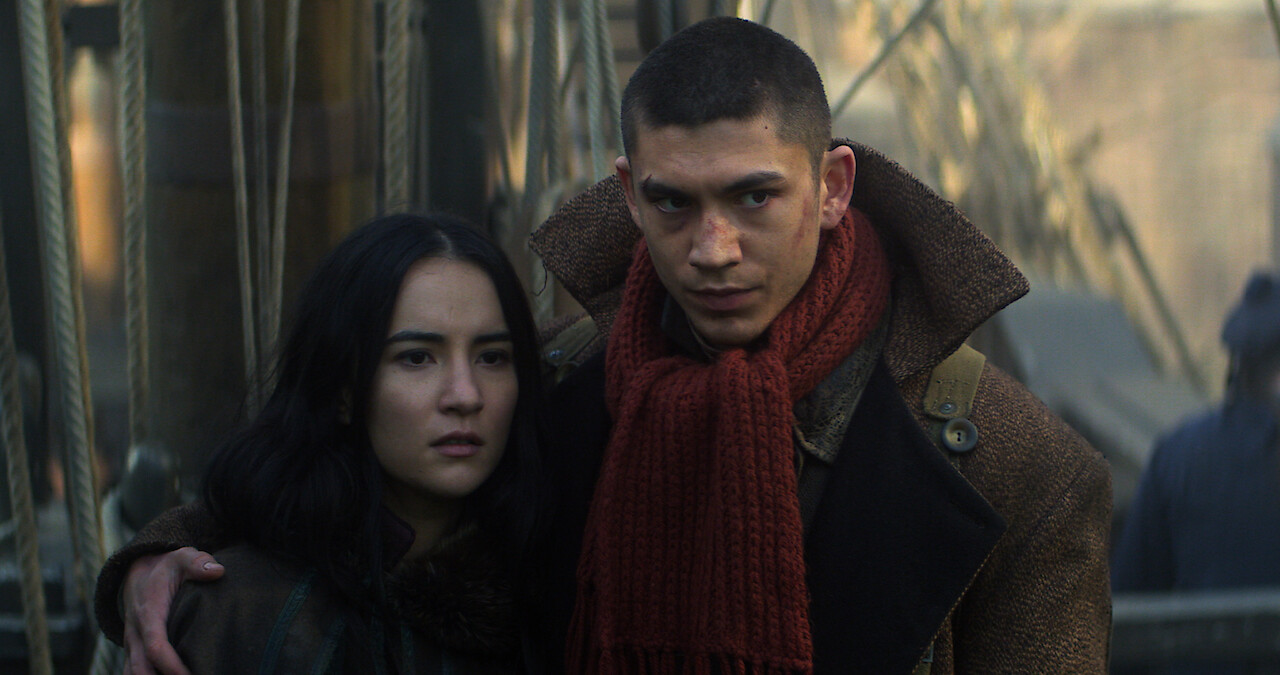
While Season 1 doesn’t venture to Shu Han, come Shadow and Bone Season 2, Tan found himself walking the streets of Shu Han as Tolya, a poet warrior and best friend to Prince Nikolai (Patrick Gibson). In Episode 5, Tolya is dispatched to the Shu Han port city of Bhez Ju to retrieve the Neshyenyer, a mythological sword, alongside the Crows.
With this trip across the True Sea, Shadow and Bone Season 2 seized the opportunity to explore — and celebrate — this intricate new world.
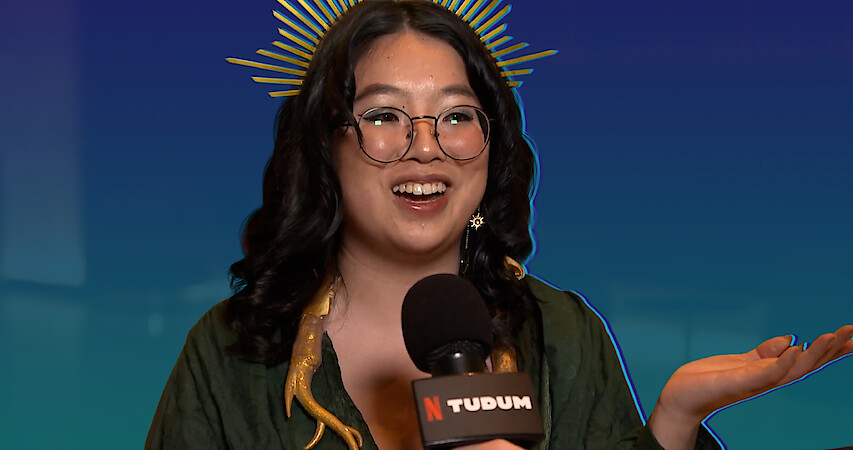
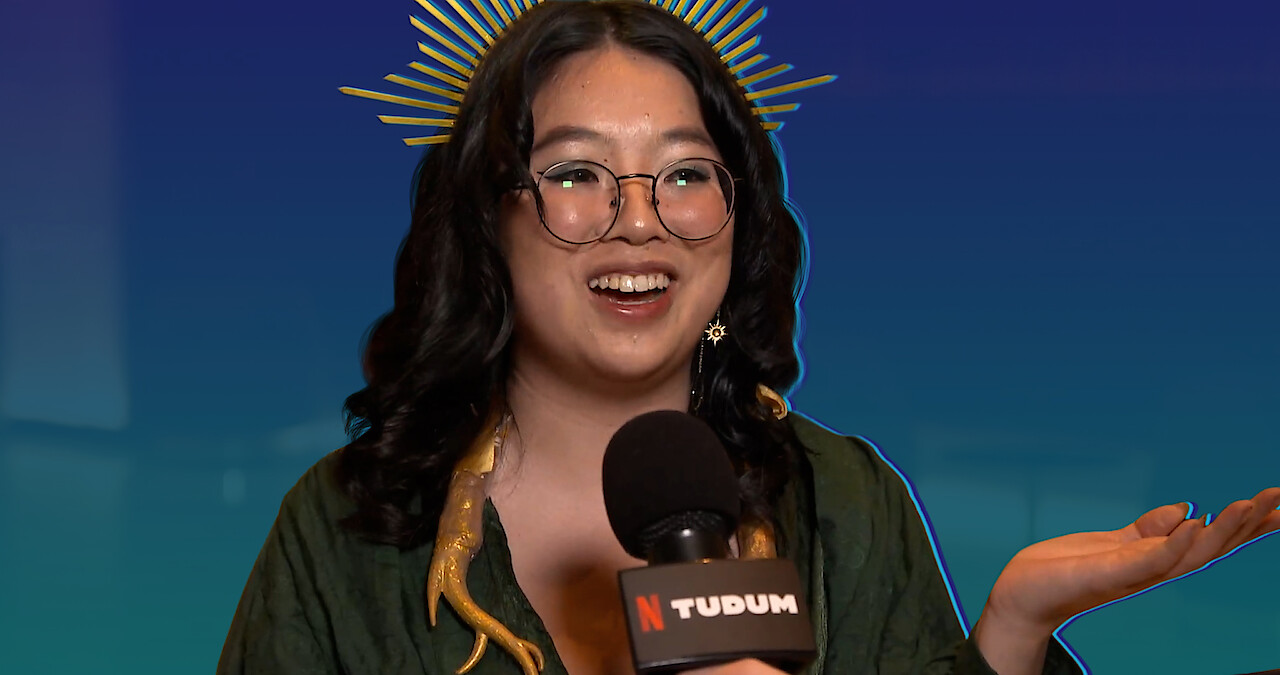
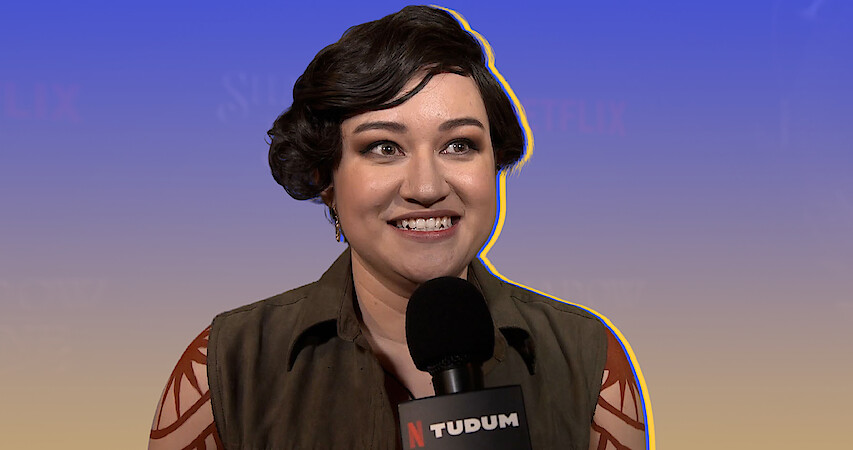
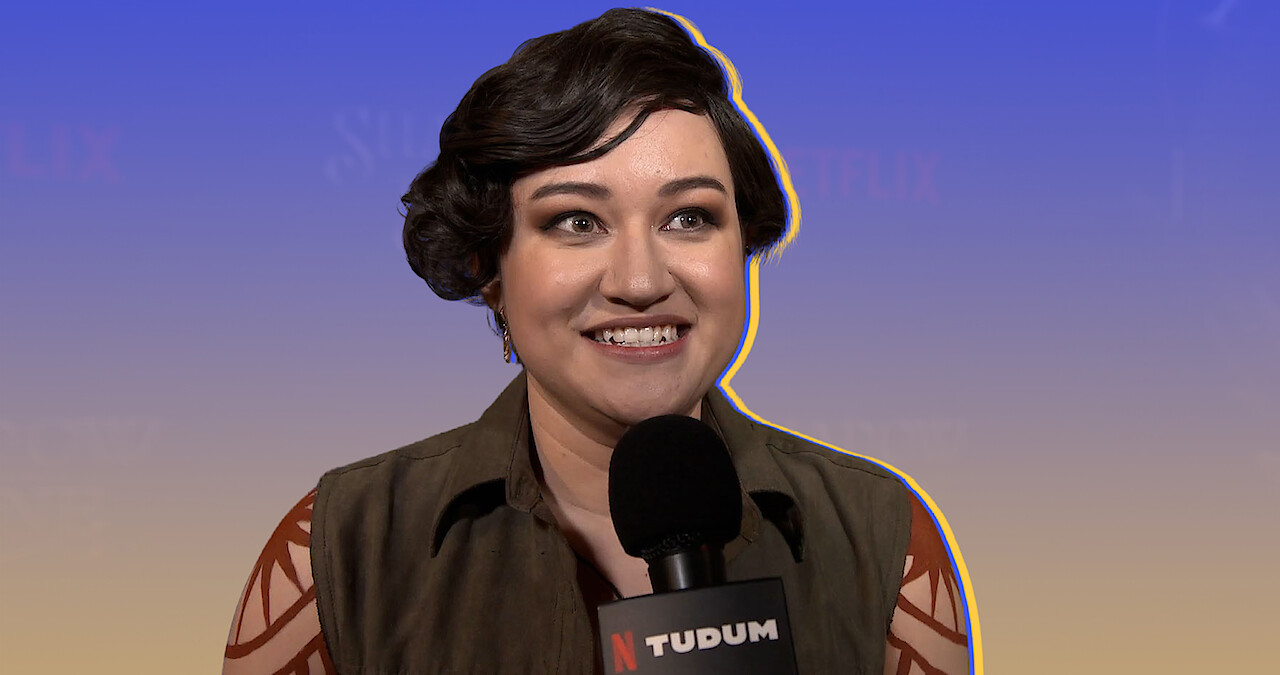
Christina Strain, who wrote Episode 5, was both “excited and terrified” to lead the charge into Shu Han. Strain is mixed heritage Korean American and recognized the pressure — and privilege — of infusing a primarily Eurocentric tale with a fantasy take on East Asian culture. “I told myself, ‘It’s scary, but ultimately more satisfying for a lot of people to see this world than to not see it,’ ” she tells Tudum.
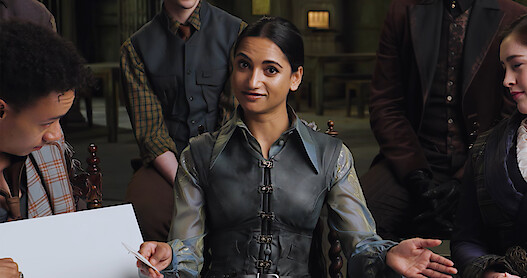
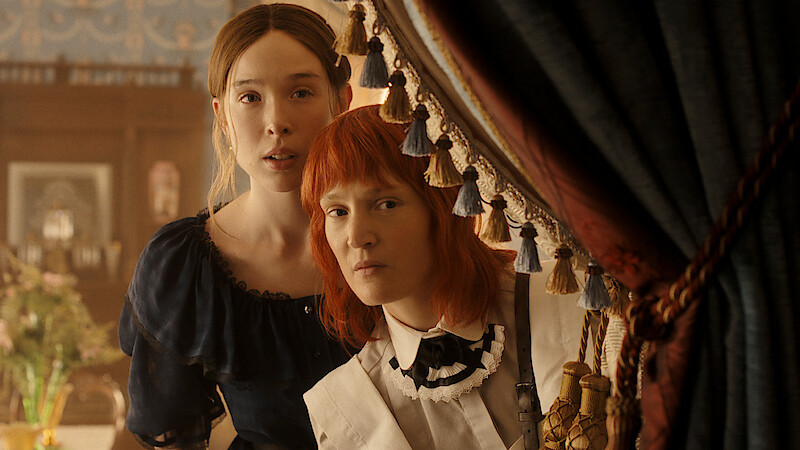
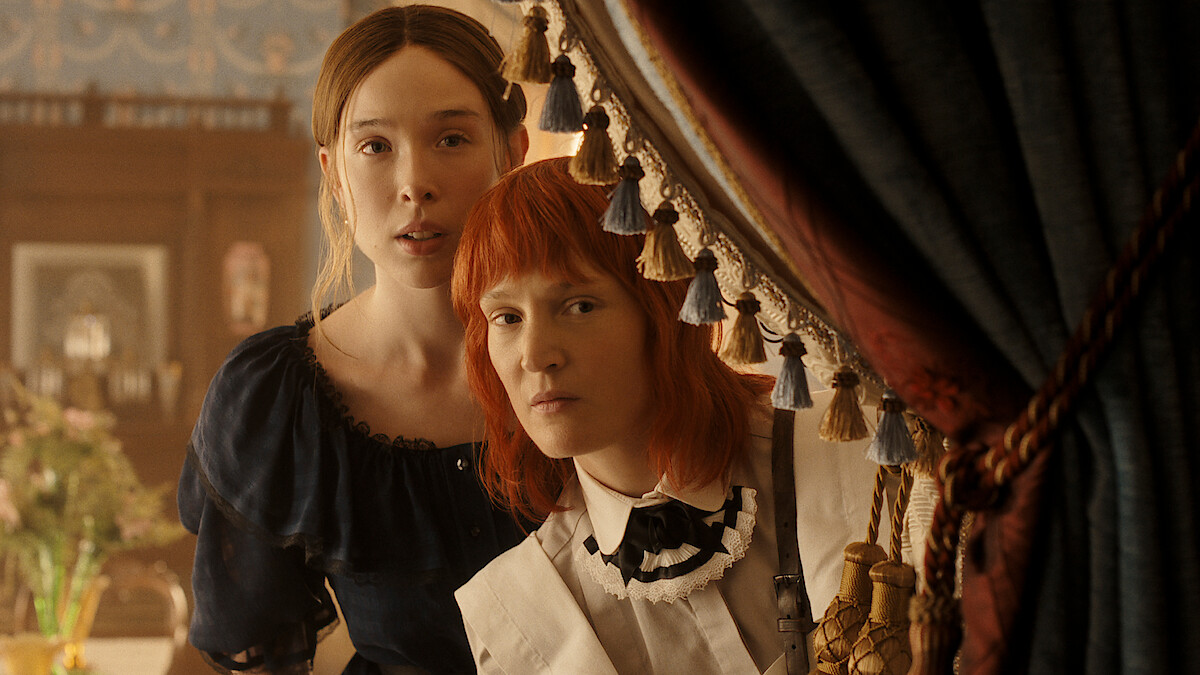
Like Alina, siblings Tolya and Tamar (Leong Brophy) are also of mixed heritage. The writers imagined that although the pair grew up in Shu Han — where their father is from — they also spent some time in Ravka.
To ensure the series got Shu Han just right, Strain asked showrunners Eric Heisserer and Daegan Fryklind for a historical consultant, since Shu Han isn’t just based on East Asia, but on a specific era — the 19th century. They hired Kimberly Hurai, who worked closely with the Shadow and Bone costume, production and art departments to create an accurate historical road map.
“My biggest concern for this was, regardless of what I want to [write], when it comes to production, I’m not a historian. I’m not versed in every Asian culture,” Strain says. “I didn’t want it to look like we had no North Star.”
Laser focusing on the urban aesthetics of Bhez Ju helped the team find their guiding light. The seaside city was specifically inspired by parts of 19th century China, Mongolia and “tiny elements” of Korea. But, says Strain, who partially grew up in Korea, “It was really important to me personally that we just didn’t do this big old amalgamation of East, South and Southeast Asia.”
Instead, attention to detail was paid in order to make each reference, big and small, in Episodes 5 and 6 feel distinct. The “Shu” card game characters play is “actually a Korean-slash-Japanese poker game,” Strain says. And the Suntsa Sar festival? It’s a nod to the Hungry Ghost Festival, a traditional Taoist and Buddhist celebration that pays respect to deceased loved ones.
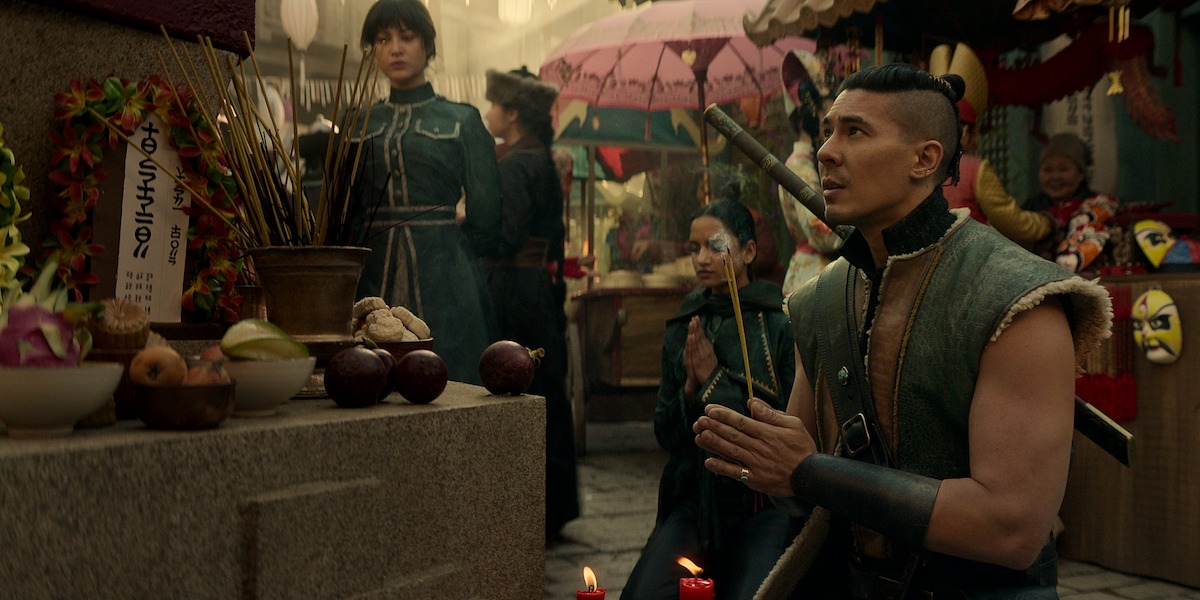
“These episodes are about facing your past,” Strain says. “Everything was all in service of getting these characters in a place where they could do that.”
The actors who played those characters appreciated all the work that went into transporting them to Shu Han — even those who never make it there on-screen. Gibson took a walk around the set, which was previously dressed as the Kerch city of Ketterdam. “You probably look at the background, I’ll just be creeping around,” he jokes. “That whole city was built there. It was incredible.”
Although Tamar stays in Ravka to protect Nikolai, Leong Brophy brought her parents to set to tour Bhez Ju. “They couldn’t believe it,” she says. Leong Brophy, who grew up lacking on-screen role models like Alina and Tamar, was also in awe.
“Ten years ago this just would not have been possible, that work would not have been there for us. Alina is able to have her heritage acknowledged, but it’s not that one driving part of her character,” says Leong Brophy. “That’s a level of nuance that we just never, ever had.”
🤐 SPOILER ALERT 🤐
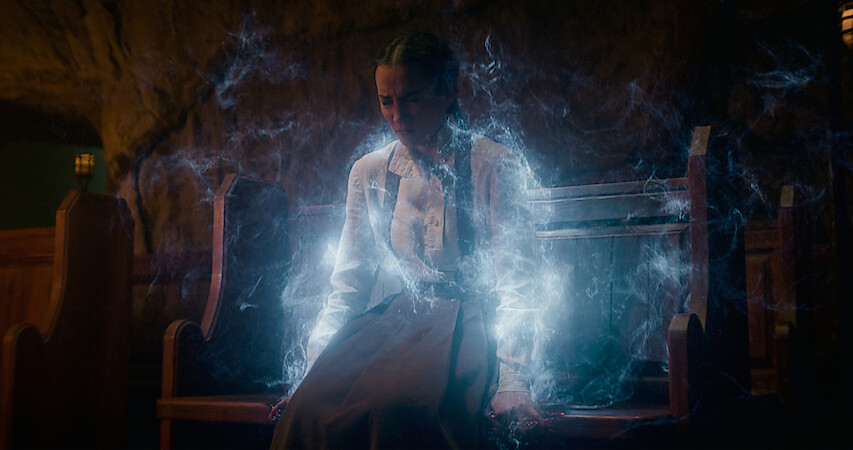
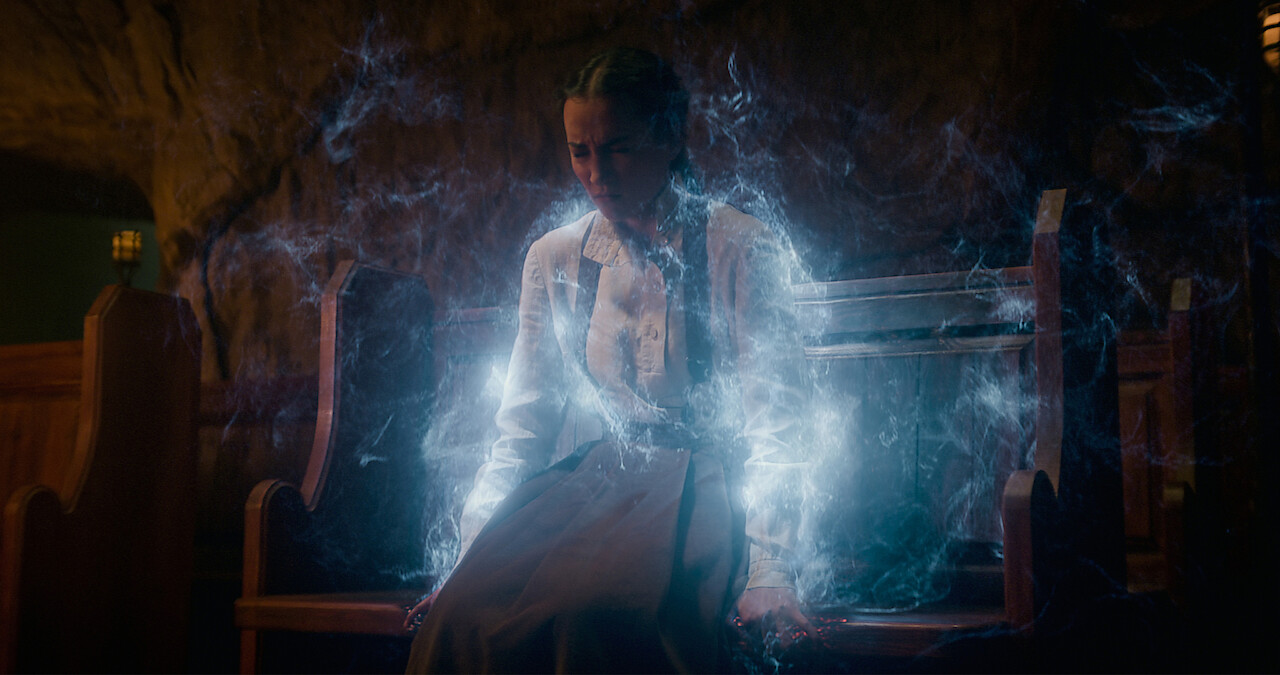
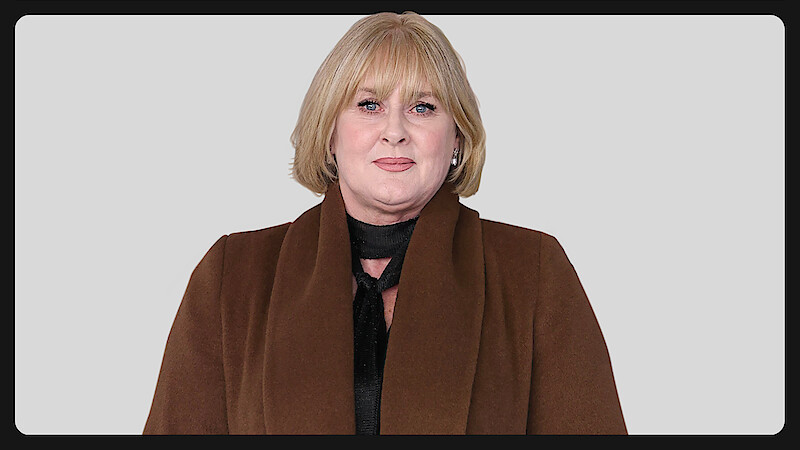
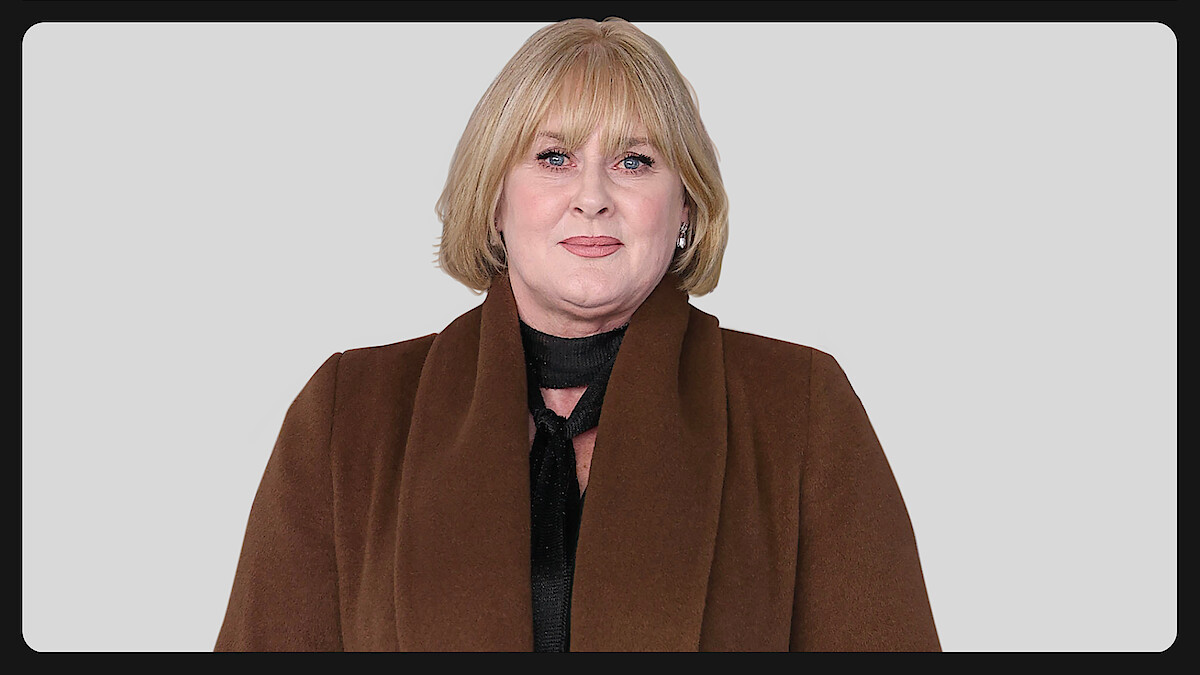
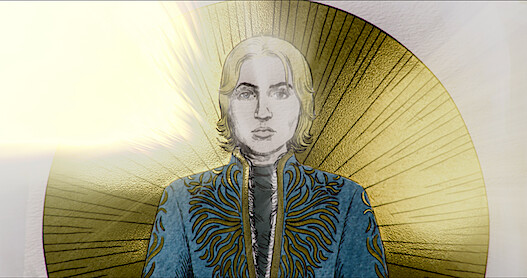
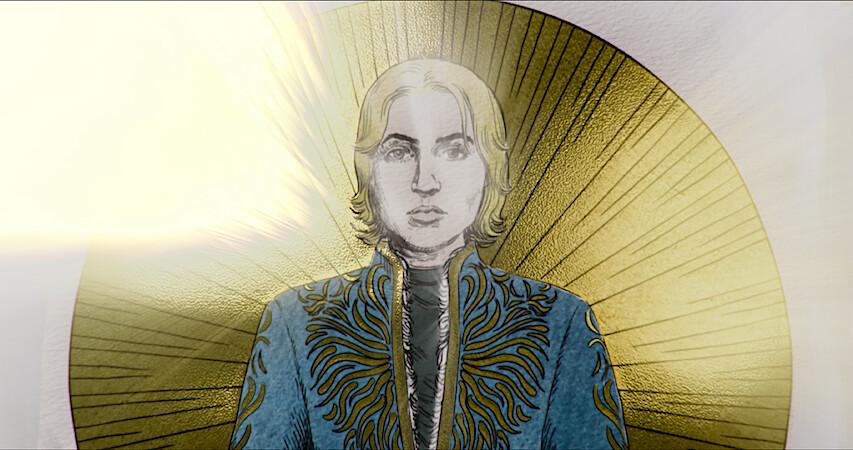
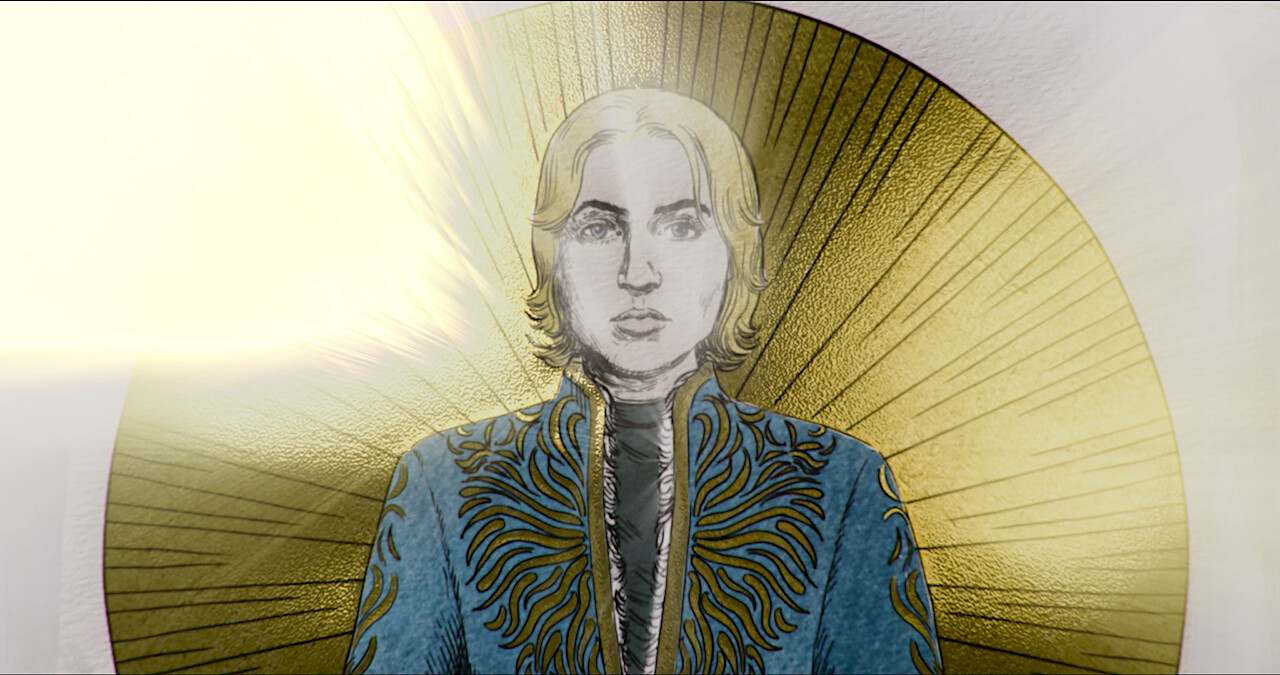
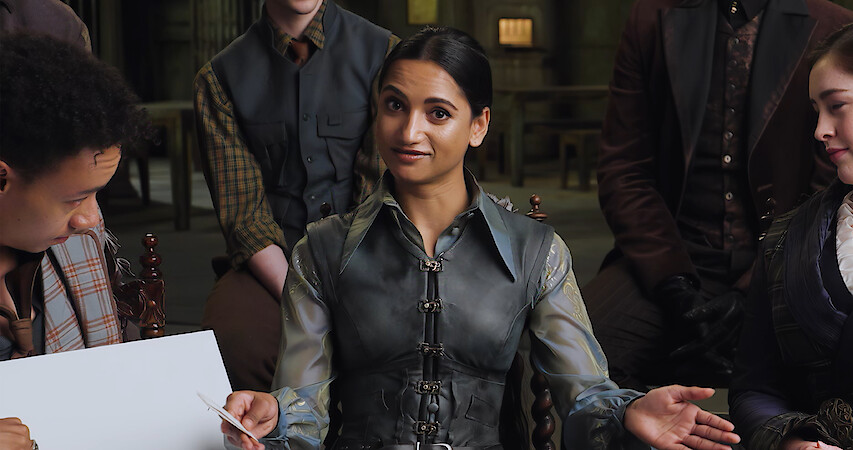
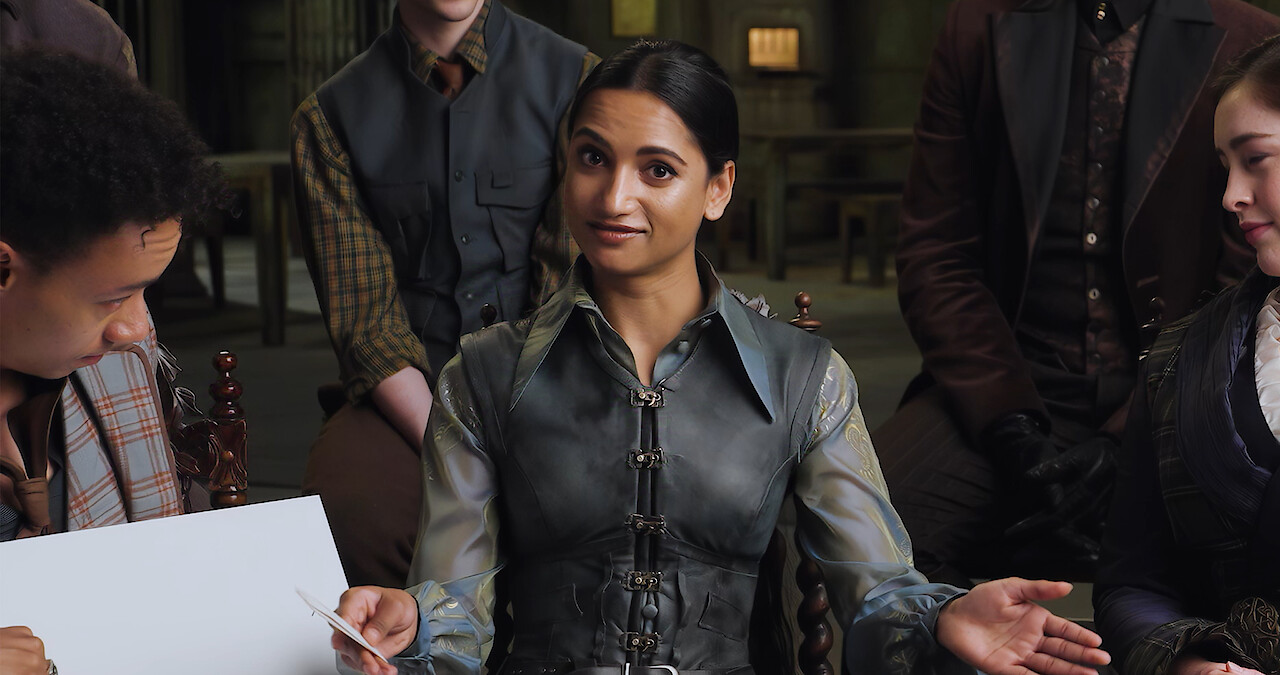
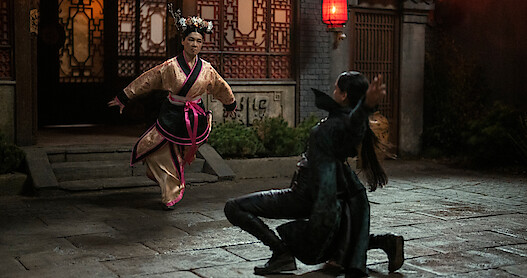
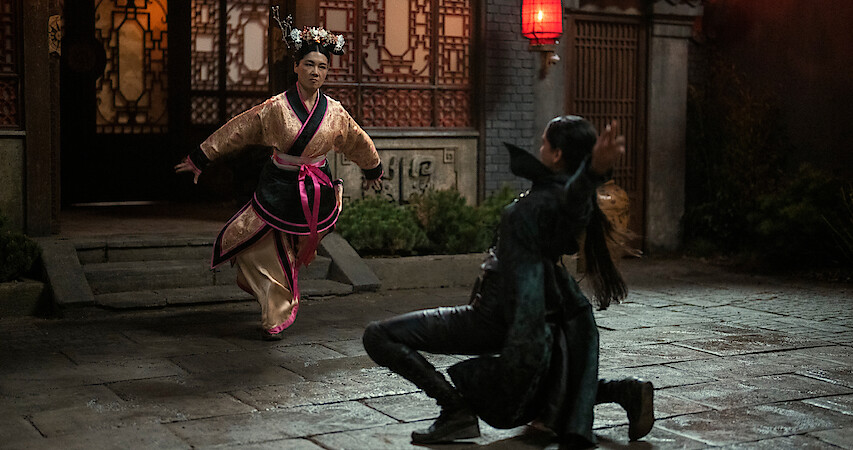
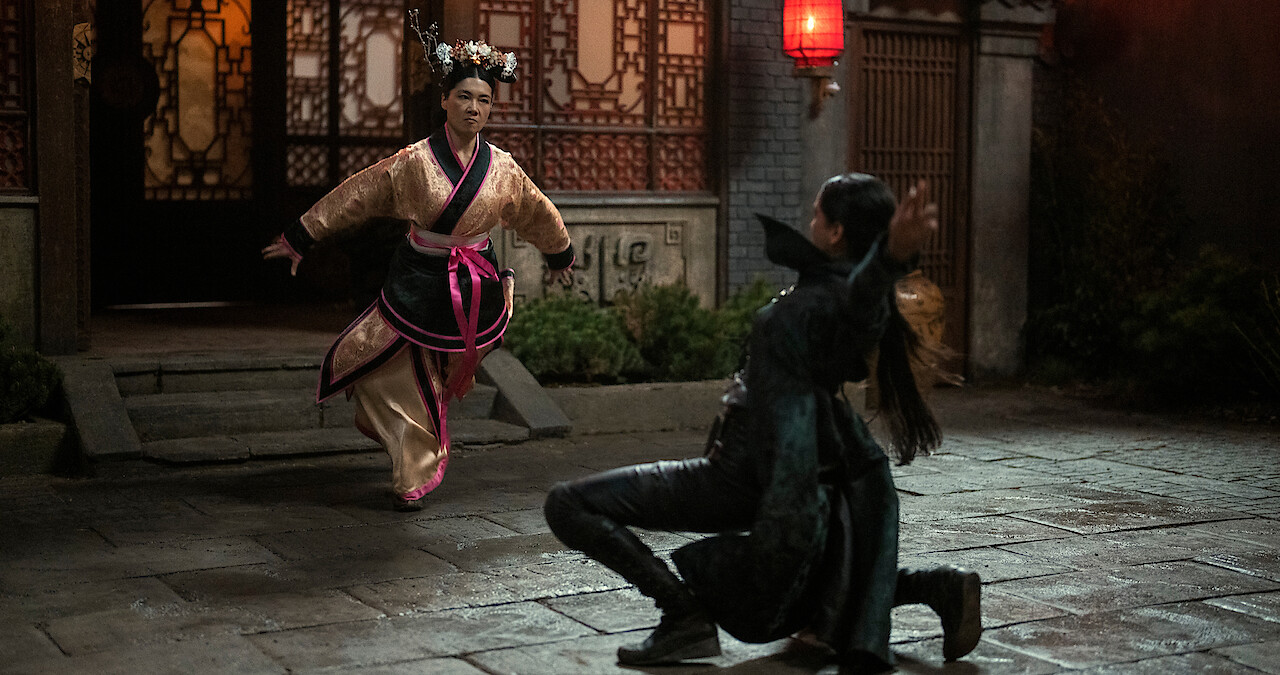
Prior to the expedition to Shu Han, Alina has been a singular character for a number of reasons, one of them being that she’s not just a Saint, but also the only Shu Saint in the series. All of that changes when the true identity of Ohval Sahran (Tuyen Do) is revealed. Ohval isn’t just a tea shop owner — or even the criminal, Disciple, as the Crows assume. She is Sankta Neyar, a Saint and soldier who saved Shu Han centuries earlier; Neshyenyer is the sword she forged.
“Tuyen does an incredible job. I remember seeing her for the first time in costume and being gobsmacked,” says Mei Li. “It was just so lovely.”

Strain and the rest of the Shadow and Bone team were “blown away” by Do’s “very measured” audition, Strain recalls. As we see in Season 2, Neyar is an obsessively careful person despite her immense power. After surviving for 400 years, she wants to enjoy a quiet life caring for her spouse, who is losing his memories to old age. Neyar, on the other hand, can still flip a person in midair.
The dynamic of this relationship doesn’t just reveal the nuances of Neyar’s life, it’s also “a glimpse at what Alina’s future could look like, depending on who she ends up with,” Strain says. “This is where Alina could be going and how awesome she could be.”
Creating Neyar was a “breath of fresh” for Strain. Her character is rooted in a place of relatable love and protection — not trauma. “I could write this tired, middle-aged Asian woman who just wants to run her small business and take care of her husband,” she says. “I was very at home.” And so was Shadow and Bone in Shu Han.