Culture
The ‘Apollo 10 1/2’ Guide to Richard Linklater
This Texas filmmaker is a legend, with films like Dazed and Confused to Boyhood.
By Josh Terry
April 4, 2022
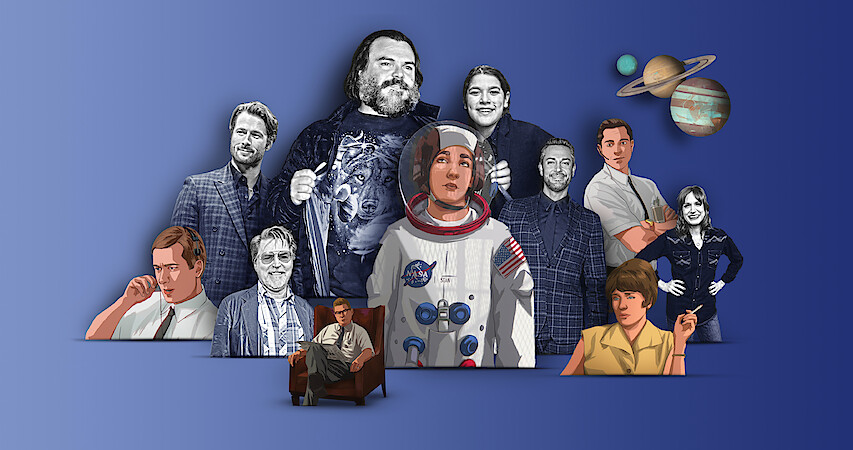
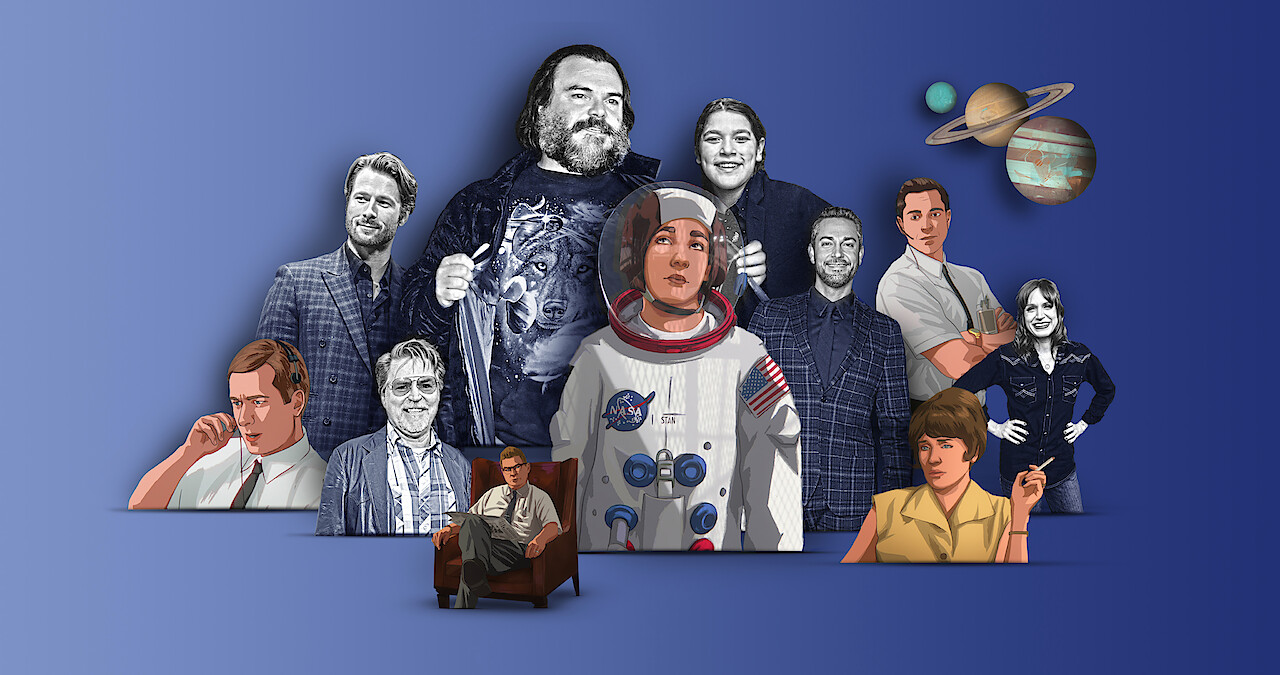
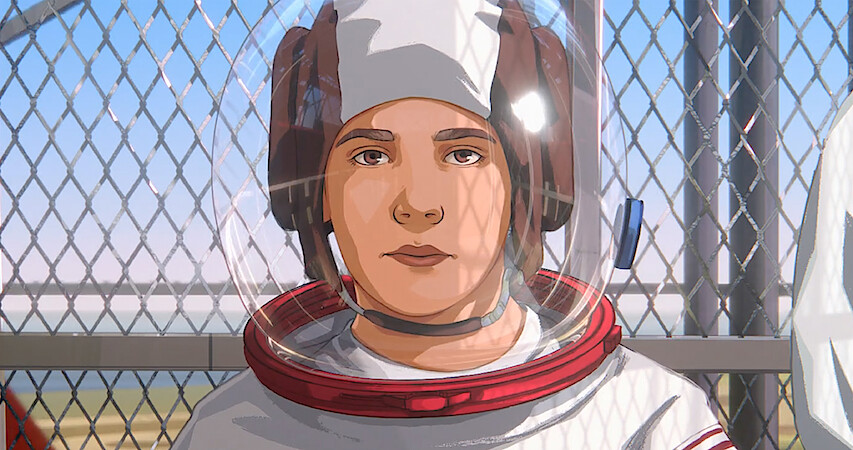
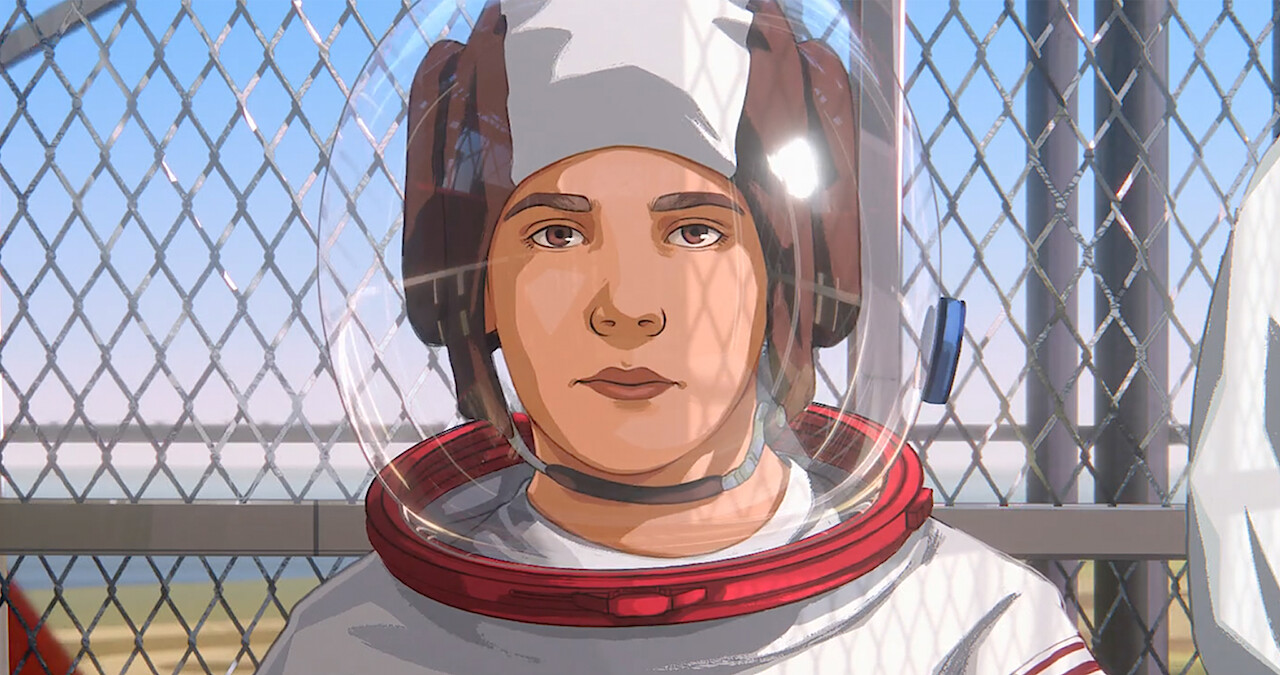
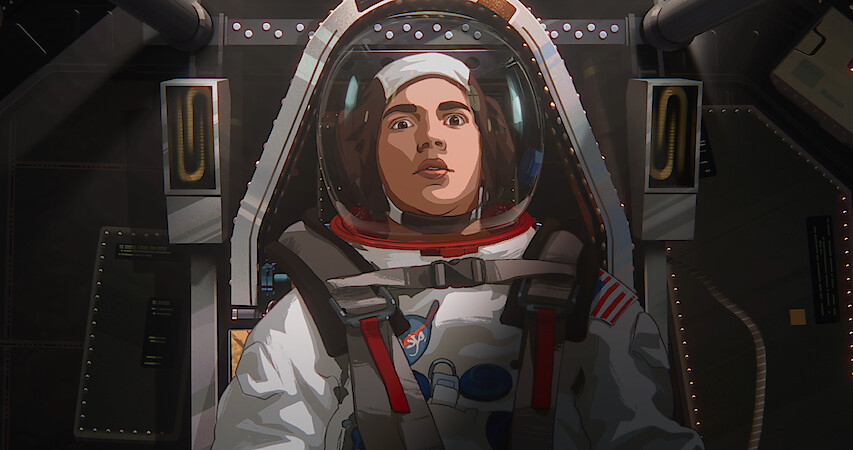
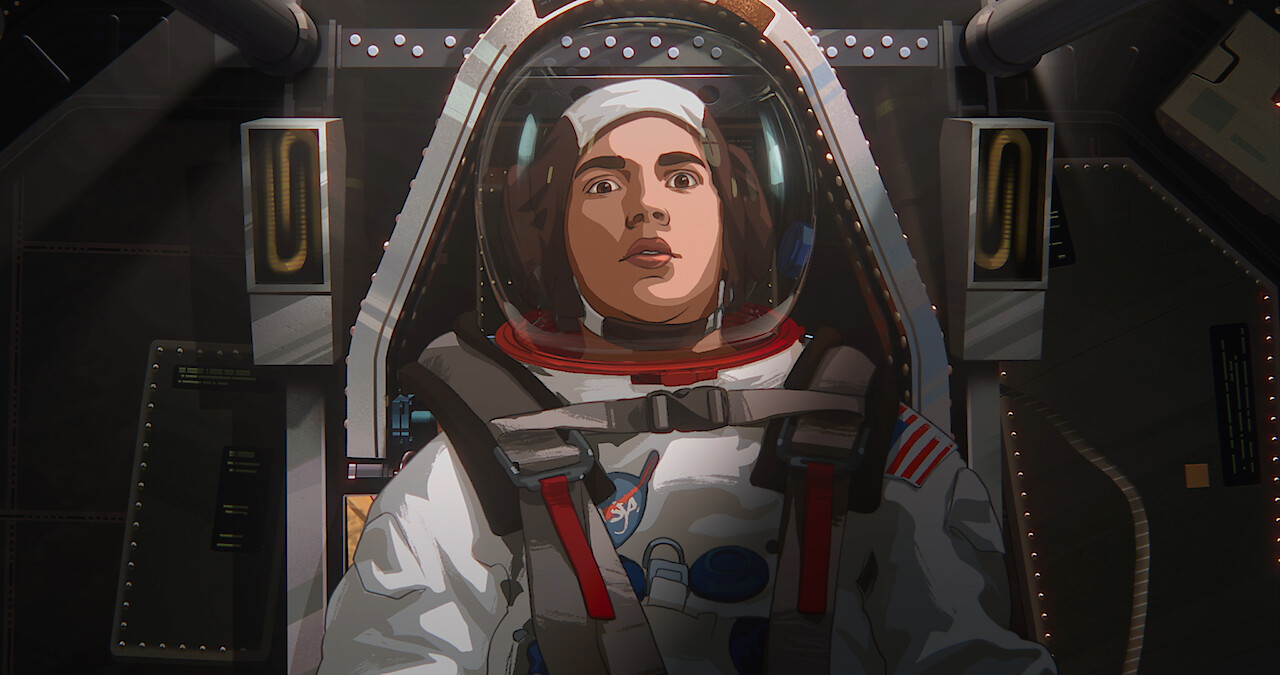
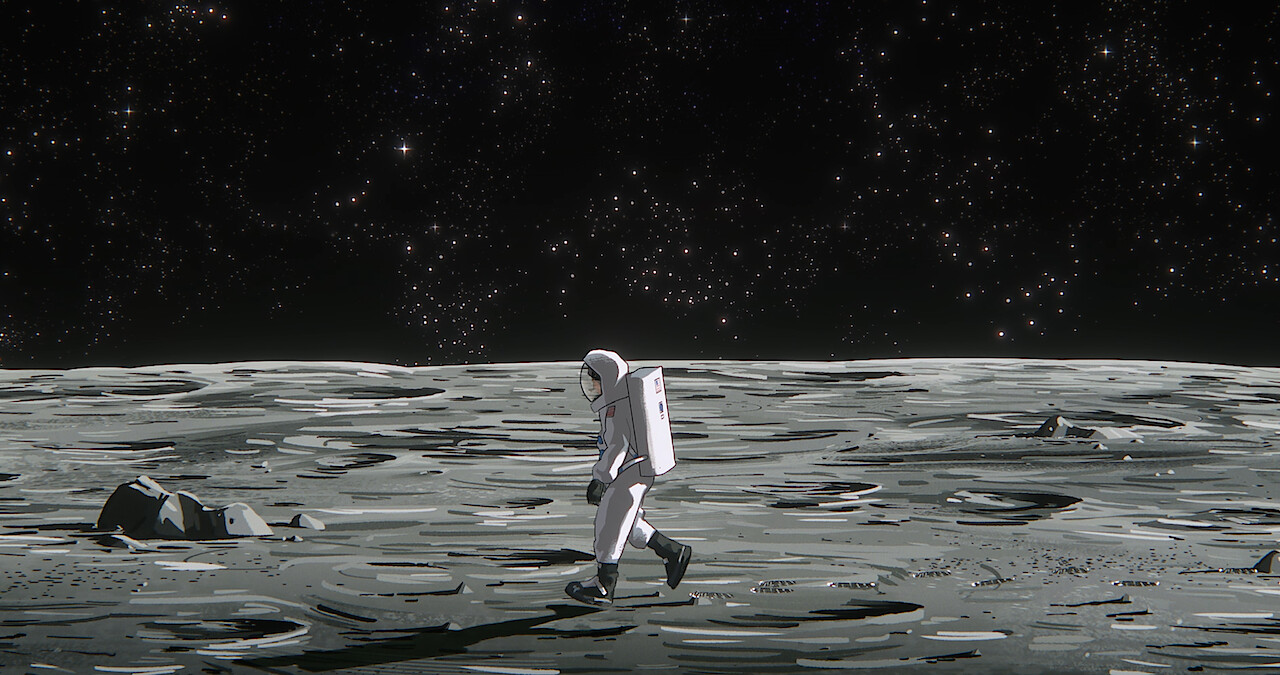
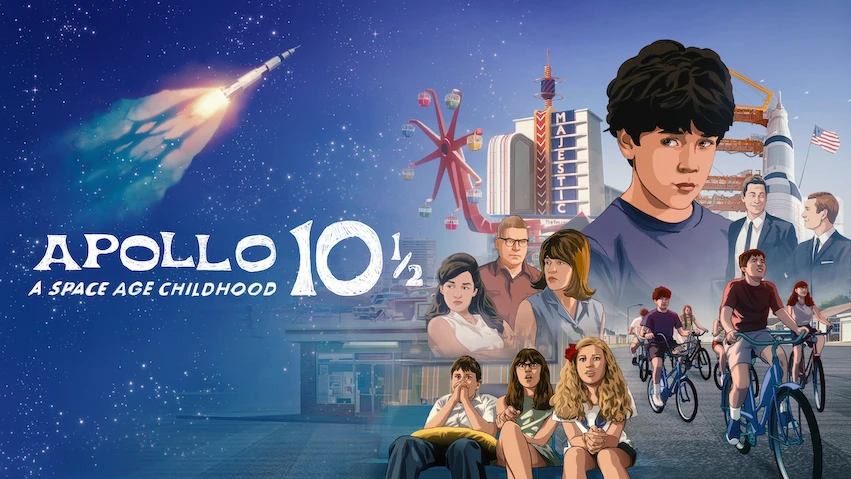
Apollo 10 1/2: A Space Age Childhood tells the story of Stanley (Milo Coy), a 10-year-old boy in Houston circa 1969, who’s been chosen by NASA to be the first person to land on the moon because they somehow built the lunar module too small. It’s a ridiculous premise obviously concocted in the protagonist’s vivid imagination, but one that the movie plays totally straight. This astronautical fantasy is only a fraction of the magic in Apollo 10 1/2, a deeply felt nostalgic time capsule about being a kid in the 1960s — soaking in pop culture, learning about the world and envisioning a brighter future against the backdrop of the Vietnam War and evolving cultural values. That delicate balance of these themes, Jack Black’s narration and the rotoscope animation are signs that this is the work of director Richard Linklater.
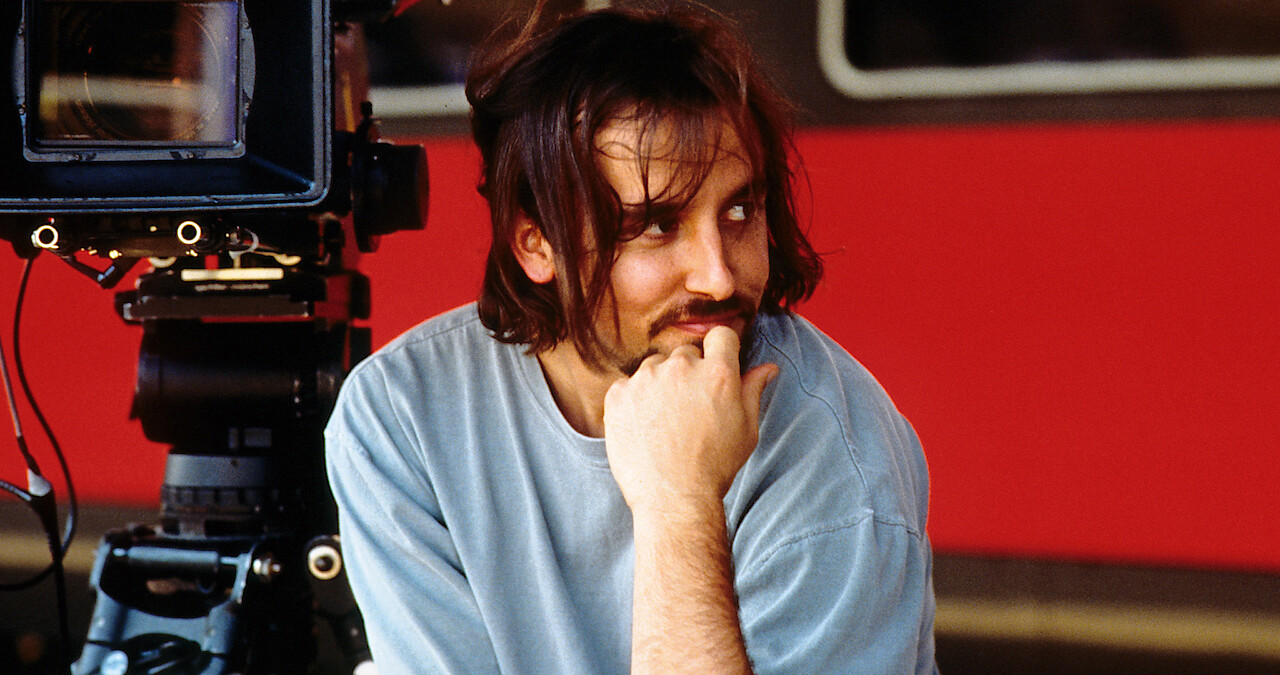
With over 22 films, Linklater has amassed an eclectic and stunning catalog that often shares themes about growing up in Texas and lovable underdogs living life on the fringes while never feeling cookie-cutter. He can make eccentric and intimate indies (Slacker, Before Sunrise, Boyhood), period pieces (The Newton Boys, Me and Orson Welles, Dazed and Confused), cerebral psychodramas (Tape, A Scanner Darkly) and studio comedies (School of Rock, Bad News Bears) without losing his charm or conversational feel behind the camera. He’s the master of characters doing walk-and-talks so profound and natural, it’d make Aaron Sorkin consider retirement. He’s fascinated with his home state of Texas and the sparks that come from growing up and finding a real connection with another human being.
In a 2009 Great Movies essay about Waking Life, Roger Ebert raved that Linklater “is one of the best directors we have.” He continues, “Above all, Linklater is a man who doesn’t like to be bored and doesn’t want to bore us. You can tell that from his films. He’s intensely interested in his subjects.” The richly rendered Apollo 10 1/2 shows Linklater’s curiosity and warm generosity. Check out his other films for a deeper understanding of one of America’s most essential auteurs.
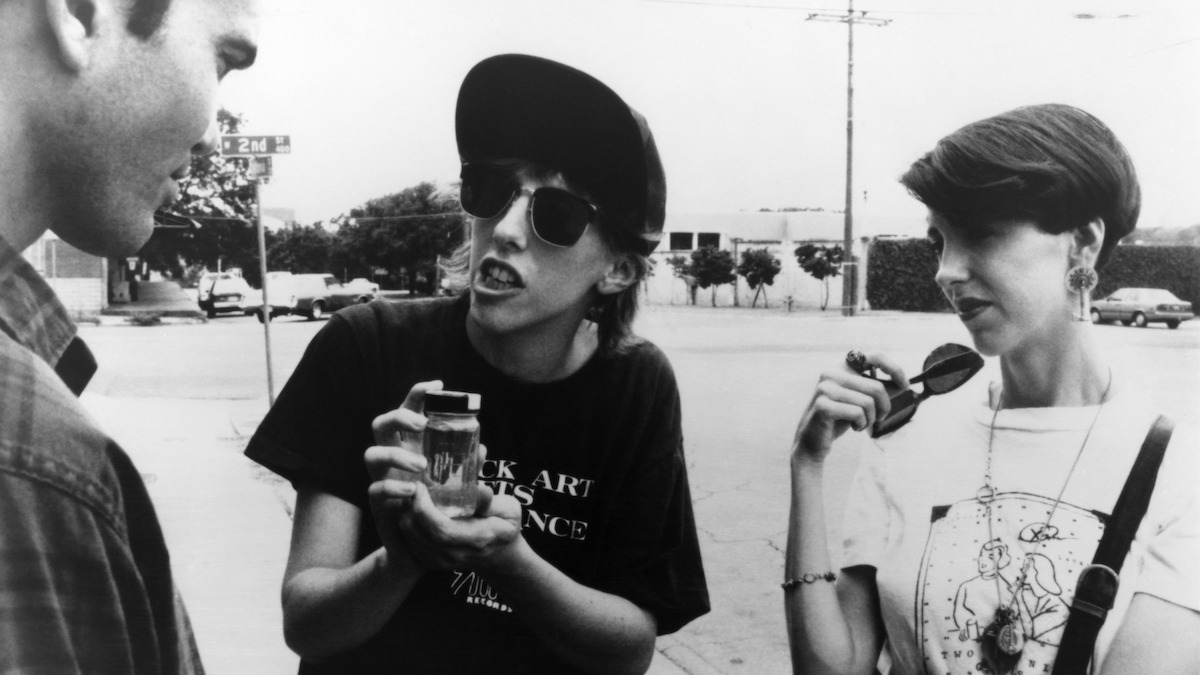
Slacker is a freewheeling look at the many bohemians and misfits of Austin, Texas. With no definite plot and no recognizable actors, the film moves almost jazz-like from one set of characters to the next in short scenes that last usually only a few minutes. It’s a slice-of-life look at a generation scraping by, and it’s Linklater’s breakthrough film. It was made with a meager $23,000 budget and opened the same weekend as James Cameron’s Terminator 2: Judgment Day, then the most expensive film of all time, costing an estimated $102 million. Despite its scrappy production, Slacker went on to be one of the most influential independent films of the ’90s, nominated for the Grand Jury Prize at Sundance in 1991 and inspiring a whole new generation of filmmakers like Kevin Smith, the Duplass brothers and many more. You can’t look at American independent cinema in the past 30 years without seeing Slacker at its core.
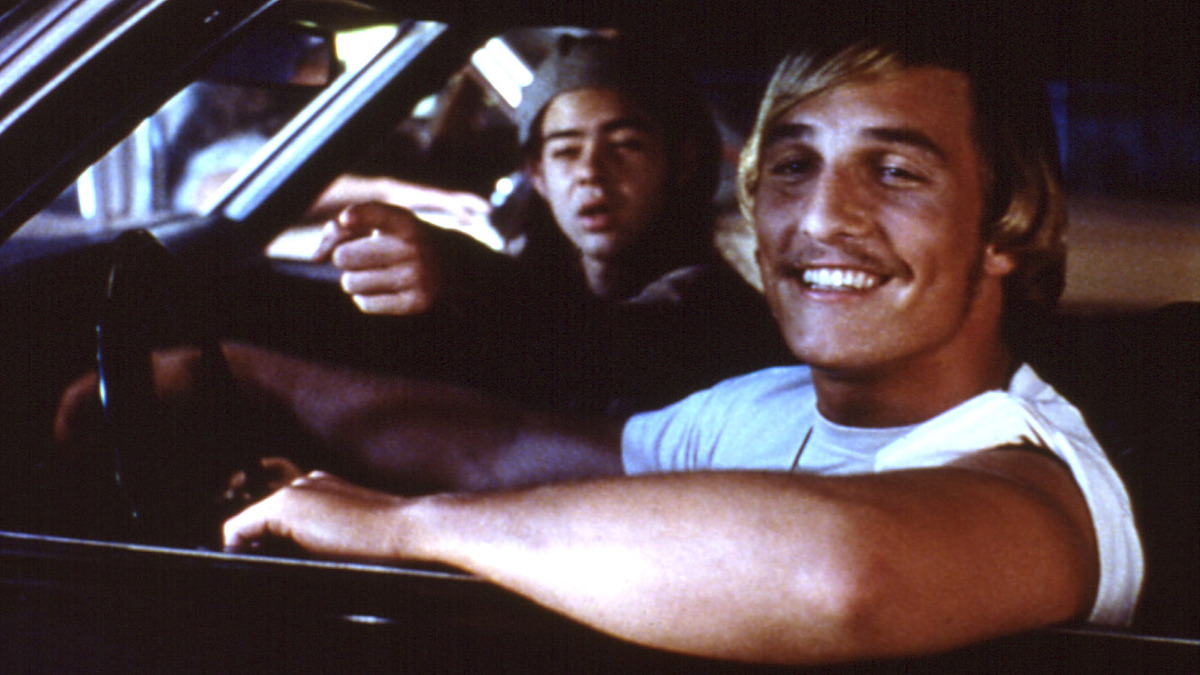
Besides being Matthew McConaughey’s first-ever role and the film where he first declared, “All right, all right, all right” in his Texas drawl, Dazed and Confused is perhaps best known for capturing the frenetic spirit of a high school party. Where Slacker introduces Linklater’s “lie back and hang out” sensibilities, Dazed and Confused nearly perfects them. One of Linklater’s biggest strengths as a filmmaker is how he makes the audience want to live in the worlds of his stories or feel like they’ve already lived them. According to the 2014 documentary 21 Years: Richard Linklater, he made playlists for each actor to imagine their characters with more depth and to encourage his cast to dive into the world inside his head. It’s these unorthodox techniques that make his films feel as immersive and natural as possible.

Waking Life is a film that’s better experienced than described in detail. A fever dream of philosophical musings, psychedelic atmospheres and hypnotic animation, it’s the first feature film made entirely via digital rotoscoping, a process where footage is shot on digital camera and each frame is then traced and animated over. It’s a mind-bending and surreal experience that fits the half-awake, half-asleep vibe of the film. While it’s hard to pin down, it’s electric. “The movie is like a cold shower of bracing, clarifying ideas,” raved Roger Ebert in a 2001 review. “We feel cleansed of boredom, indifference, futility and the deadening tyranny of the mundane. The characters walk around passionately discussing ideas, theories, ultimate purposes — just as we’ve started doing again since the complacent routine of our society was shaken.”
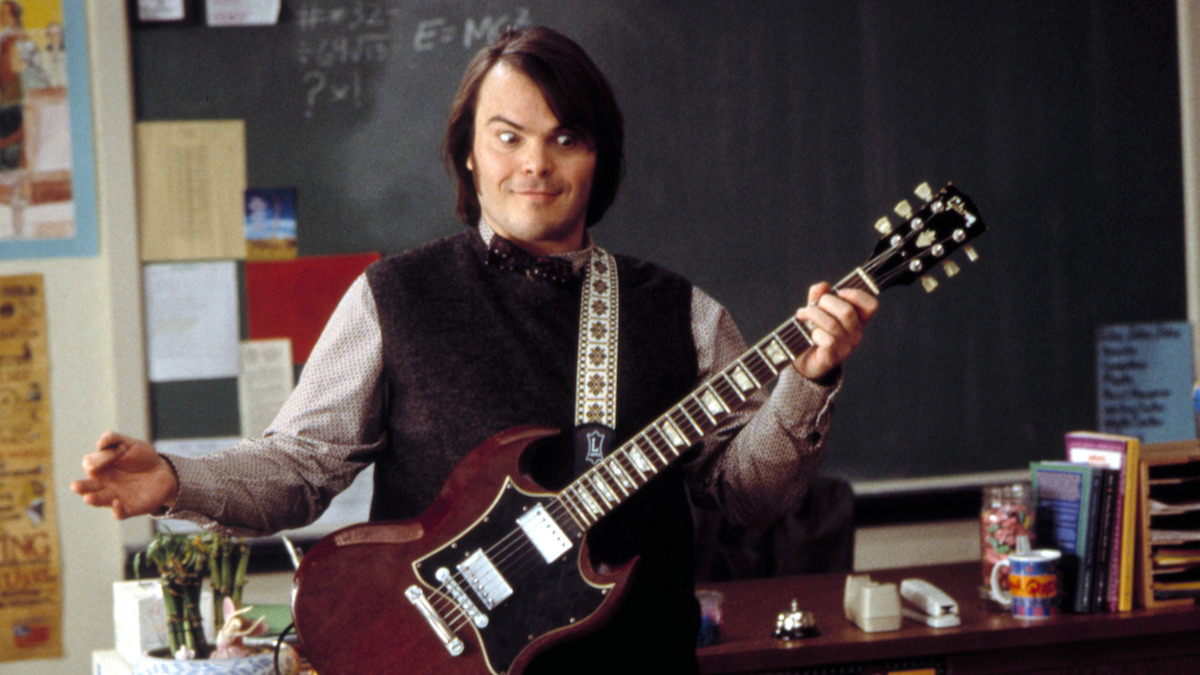
In 2003, Linklater finally made a mainstream film, teaming up with writer Mike White (The White Lotus, Enlightened). The movie came to life with a hilarious and physically hypnotic performance from Jack Black as a substitute teacher who educates his preteen students about the ways of rock ’n’ roll. Arguably Linklater’s funniest movie and the platonic ideal of a Jack Black role, the film proved that a big studio budget wouldn’t stop Linklater’s work from feeling lived-in and inviting. On top of being a simply fun movie, it also introduced a generation of kids to classic rock. Funnily enough, those inspired enough to pick up an instrument, rock out and attend “School of Rock” learning centers nationwide would find out that those brick-and-mortar locations had nothing to do with the film and vice versa. A bizarre coincidence.
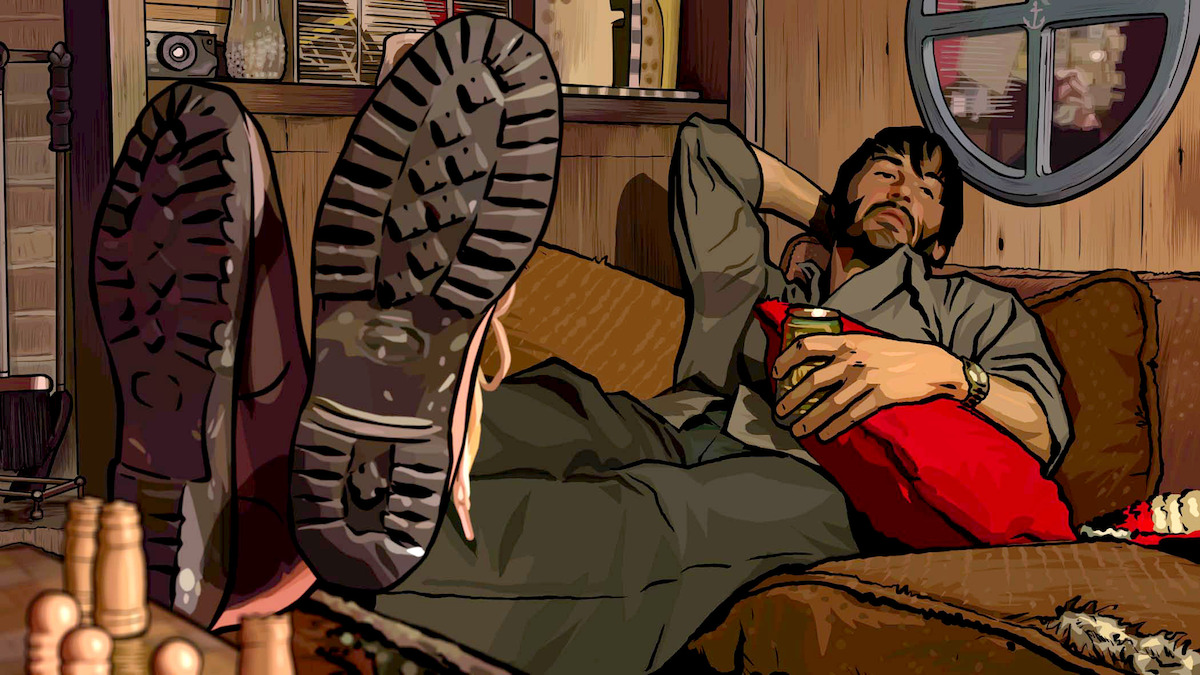
Adapted from a 1977 dystopian Philip K. Dick novel, A Scanner Darkly is probably the bleakest and oddest film in Linklater’s catalog. There’s gore, drug-fueled hallucinations, corrupt policemen and other nightmarish things rendered in all-too-vivid detail via rotoscope animation. The film also finds Linklater working with some A-list actors like Keanu Reeves, Woody Harrelson, Winona Ryder and Robert Downey Jr., as well as reuniting with Dazed and Confused star Rory Cochrane. Despite such a stark departure from the feel-good vibes of, say, Dazed and Confused, the film garnered positive reviews. “Linklater renders coherent Dick’s amorphous account of SoCal dopers addicted to the brain-destroying Substance D, the narcs who police them, and the shadowy corporation stage-managing the seedy drama,” wrote J. Hoberman in The Village Voice. “This straightforward version of Dick’s anguished vision of drug-addled addiction makes Naked Lunch seem positively romantic.”
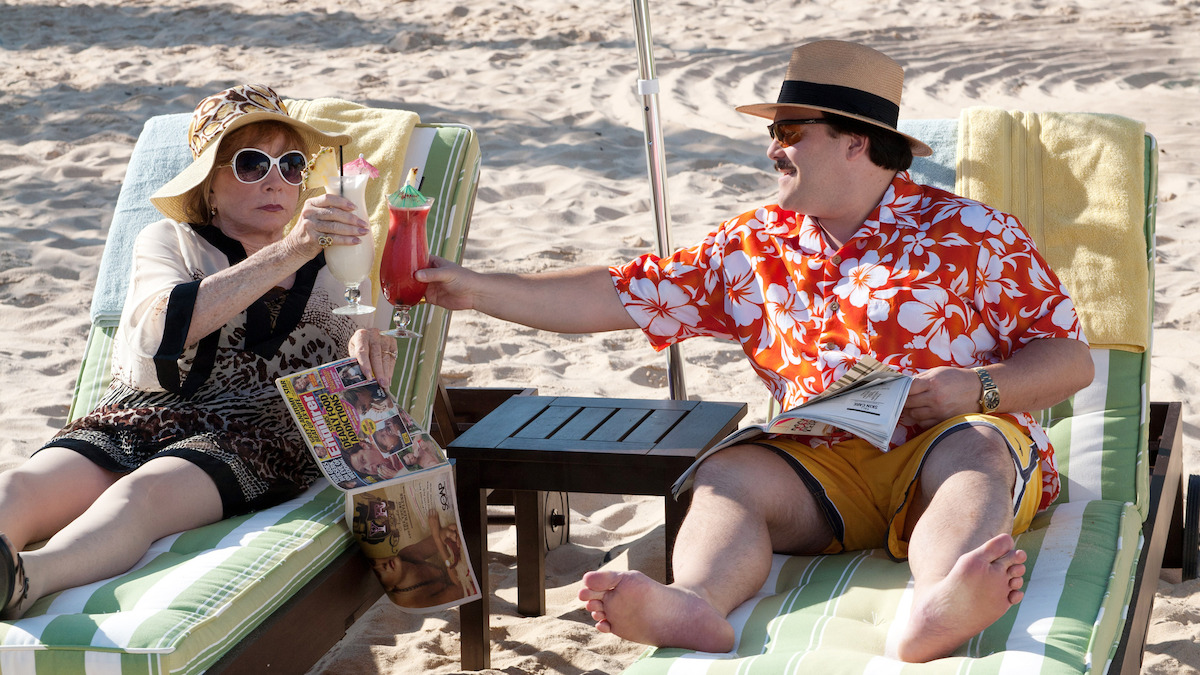
Here, Linklater reunites with Jack Black and Matthew McConaughey for a black comedy about a real-life 1996 murder in small-town Carthage, Texas. Black plays Bernie Tiede, a well-liked and eccentric mortician who befriends an 81-year-old millionaire widow and moves in with her. Linklater portrays this odd couple and the widow’s eventual murder through a Greek chorus of small-town gossip, filming interviews with locals almost like a documentary. Featuring a mix of real actors and amateurs (even McConaughey’s mom makes a cameo), these scenes have the feel of a real-life town where conservative values and not minding your own business are standard. McConaughey plays prosecutor Danny Buck Davidson, who goes after Tiede with murder charges. It’s a spectacular matchup between two comic actors and a funny movie despite its bleak subject matter.
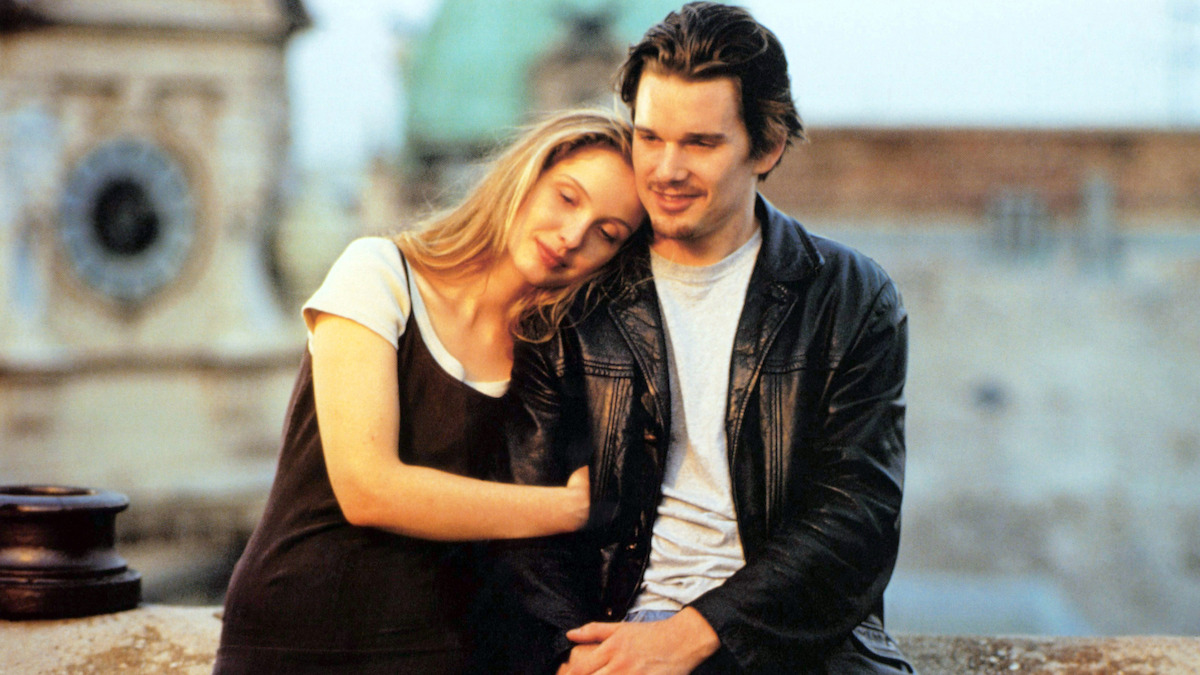
Starring Ethan Hawke and Julie Delpy, Before Sunrise takes place over the course of 24 hours as two strangers meet on a train in Vienna, spend the day together and fall in love. While it was a beautiful stand-alone film documenting the connection between two strangers, it received two sequels, with each one following the characters nine years into the future. “We always joked this is the lowest-grossing film to spawn a sequel, and I can confidently say these are the lowest-grossing films to ever be a trilogy, or whatever we are now,” joked Linklater at a SXSW screening of 2013’s Before Midnight. “It makes no sense, but three people wanted a sequel and we did it.” 2004’s Before Sunset is arguably the strongest film of the trilogy, where Hawke’s and Delpy’s characters reunite slightly more weathered and pessimistic than where they left off in the first film. Still, their connection is strong, and the tracking shots highlighting their profound and meandering walk-and-talk conversations are some of the most electric pieces of filmmaking ever.
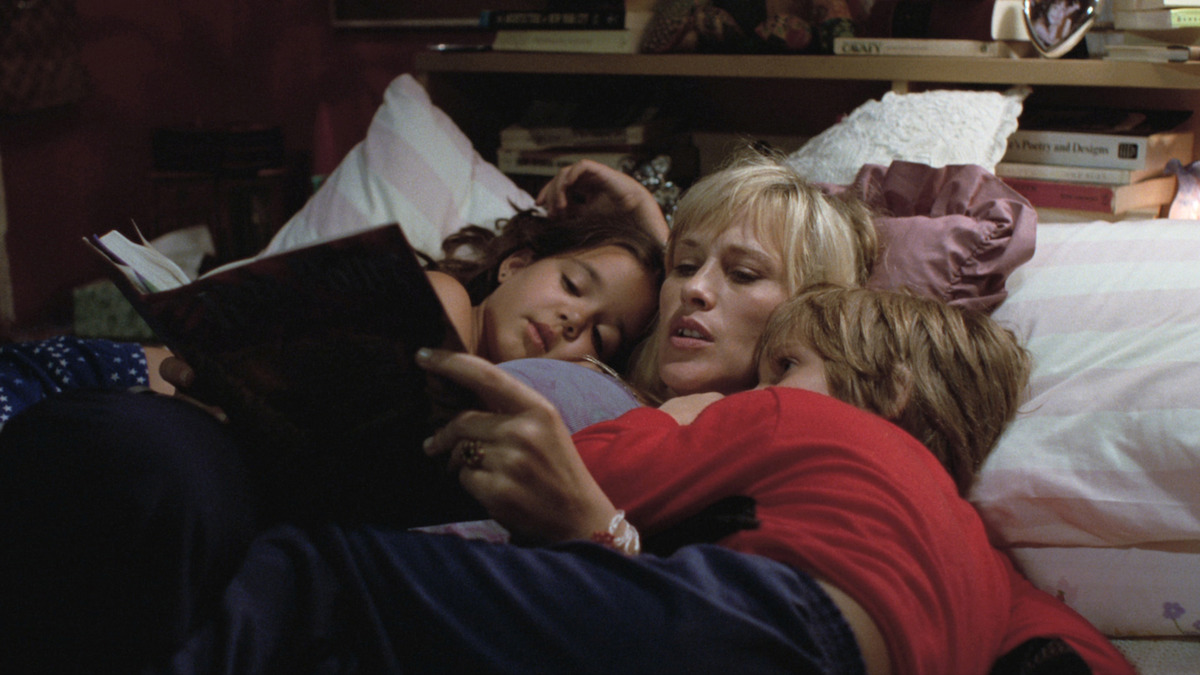
Originally called The 12-Year Project, Boyhood is one of Linklater’s most ambitious and successful endeavors. While Linklater has always been fascinated by childhood and growing up, here he took that obsession to its extreme by enlisting a 6-year-old actor (Ellar Coltrane) and filming a little bit each year from 2002 to 2013. Though Linklater had an outline of where he wanted the story to go, he left plot details open so that the story could adapt to whatever Coltrane was going through in his life. Rounding out its cast with the lead character’s divorced parents played by Ethan Hawke and Patricia Arquette, Boyhood was nominated for six Academy Awards, with Arquette winning best supporting actress.
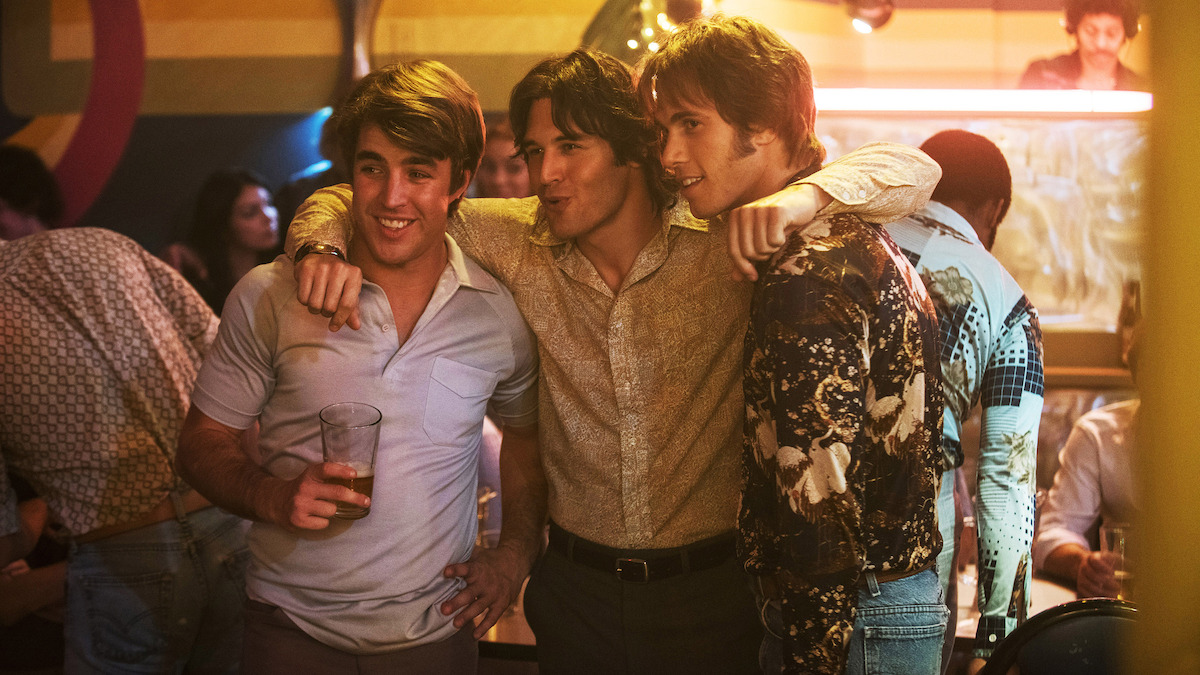
Best viewed as a spiritual successor or a companion piece to Dazed and Confused, the University of Texas–set Everybody Wants Some!! is another charming coming-of-age romp. A major contender in the hypothetical “Dudes Rock” canon of American film, the movie follows a college baseball team entering the world of campus life unburdened by parents and curfews. There’s ample booze, hookups and guys just hanging out, making for a low-stakes and carefree moviegoing experience. Just as Dazed and Confused is a time capsule of Texas in the ’70s, this film captures the transition to the ’80s, trading ZZ Top, Foghat and Alice Cooper for Blondie, Pat Benatar and Devo on its soundtrack.
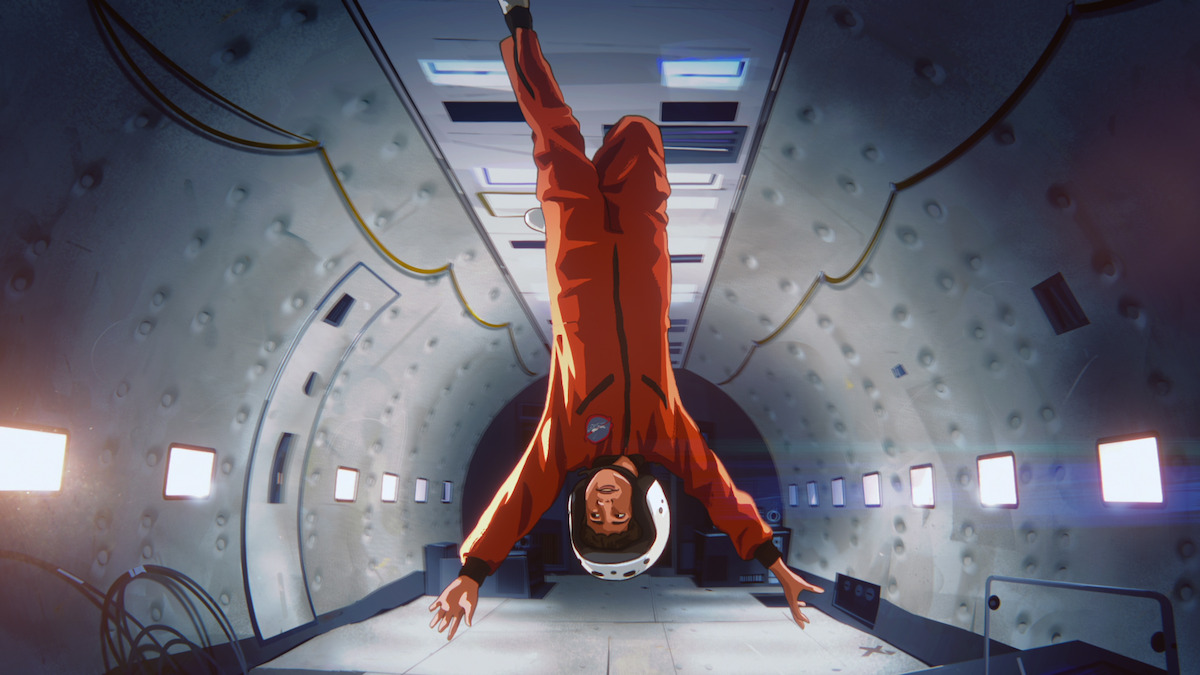
When you see the trailer for Apollo 10 1/2, you imagine it being a kids’ movie about going to space. In reality, though, the movie is about being a child in 1969 Houston who imagines going to space. That distinction makes a whole world of difference in the film, which features a Jack Black narration about growing up in both a turbulent and possibility-full decade. Like Waking Life and A Scanner Darkly, the film employs digital rotoscope animation, allowing for scenes involving ’60s exposition and ones set in space to feel as vivid as your own imagination. Growing up is a prominent theme in Linklater’s oeuvre, and whether through the emotional realism of Boyhood, the hedonism of Dazed and Confused or the nostalgic adventurousness of Apollo 10 1/2, he’s always approached the subject with signature heart and care.
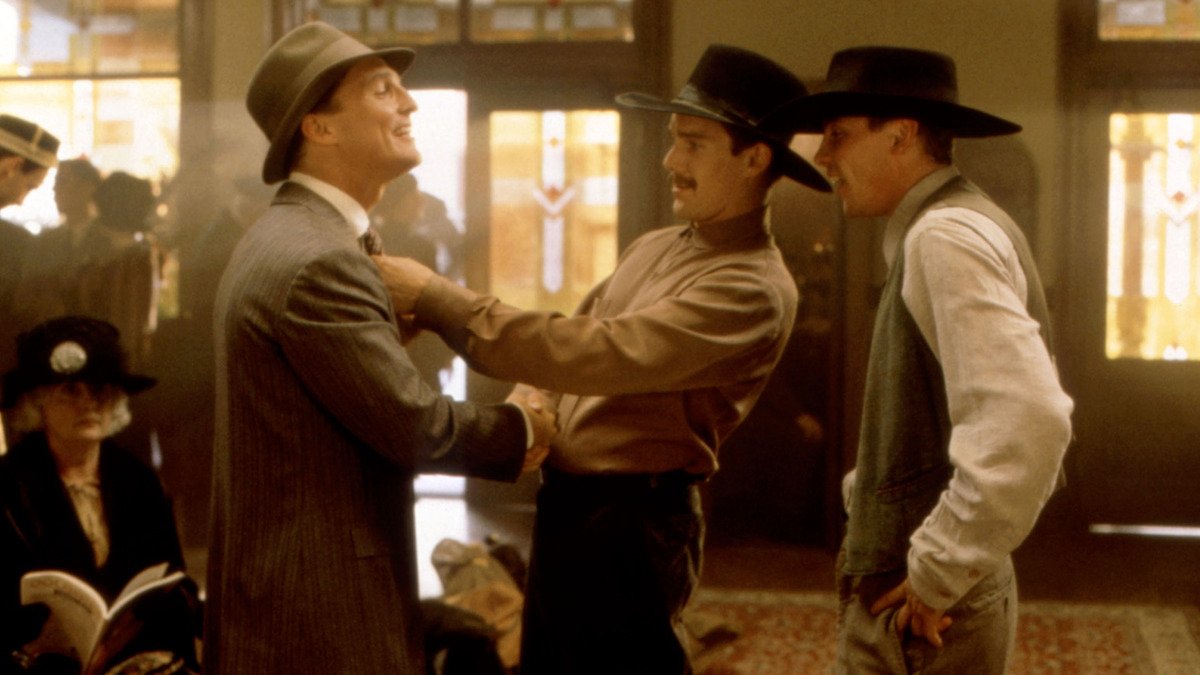
Since there are 22 films in his catalog, becoming a Richard Linklater completist is an ambitious task; but if you dig the movies listed above, a deeper dive is a lot of fun! For a completely different vibe, try some of Linklater’s period pieces like 1998’s Newton Boys, starring Ethan Hawke, Matthew McConaughey and more as bank robbers in 19th-century Texas, and 2008’s Me and Orson Welles, which stars a High School Musical–era Zac Efron. Though not written by Linklater, 1996’s comedy SubUrbia and 2001’s psychodrama Tape are worth watching too. Before Apollo 10 1/2, Linklater’s most recent films like 2019’s Where’d You Go, Bernadette? and 2017’s Last Flag Flying boast all-star casts including Cate Blanchett, Billy Crudup and Kristen Wiig, as well as Steve Carell, Bryan Cranston and Laurence Fishburne, respectively.