My daughter is the most literal person I know. She’s 12, and this is a trait she picked up from her mother, who is easily the second most literal person I know. In contrast, I am actually listed in the Guinness Book of World Records for successfully pulling the most legs in a 24-hour period. Anyway, I’ve heard it said that opposites attract, but what isn’t often discussed is that opposites attract, and you end up having children that are also opposite from yourself.
Norah is the spitting image of her mother, right down to her small frame, nearsighted eyes, and her very literal personality. This really makes it hard for me to jokingly say, “Well… looks like we are going to have to amputate” and not have her look at me with absolute terror as if I haven’t made that same dad joke every time she came to me with a bruised limb.
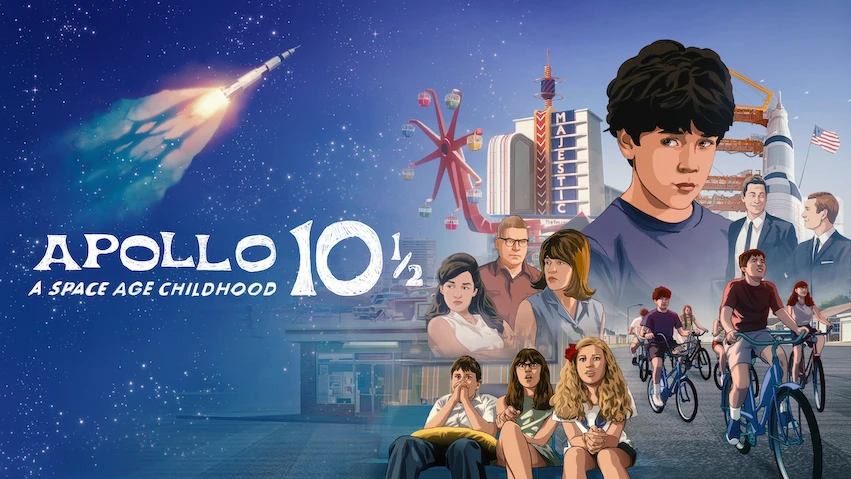
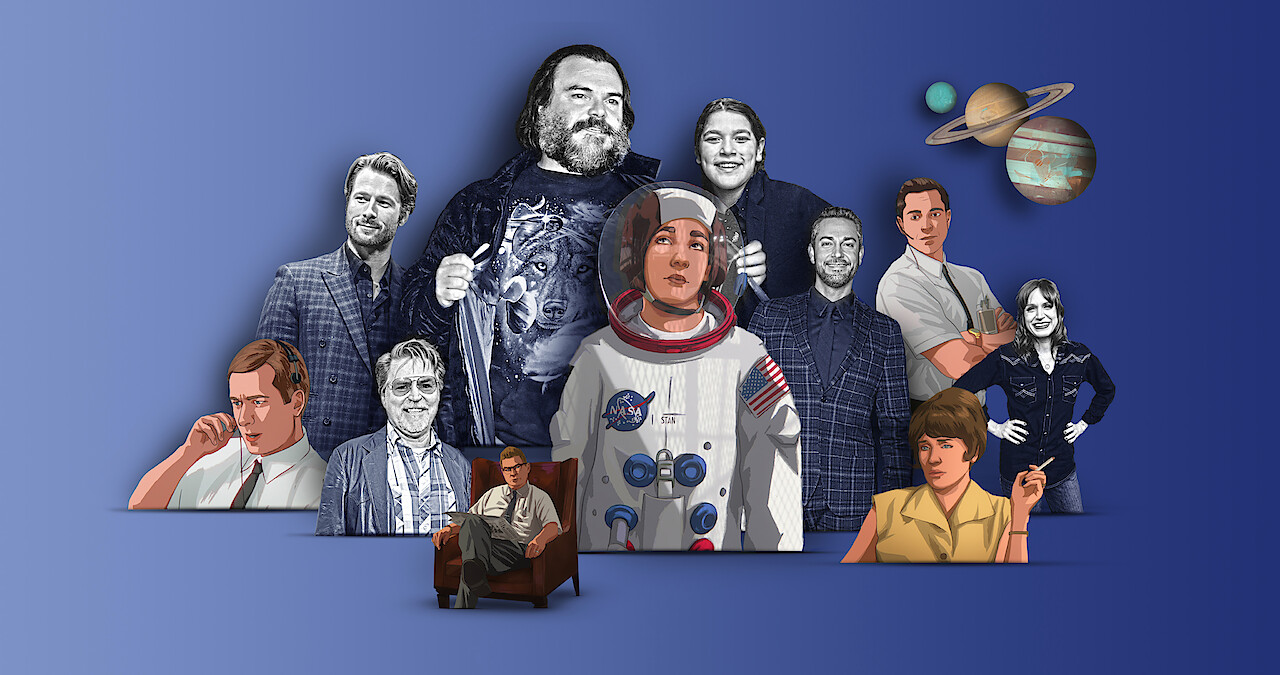
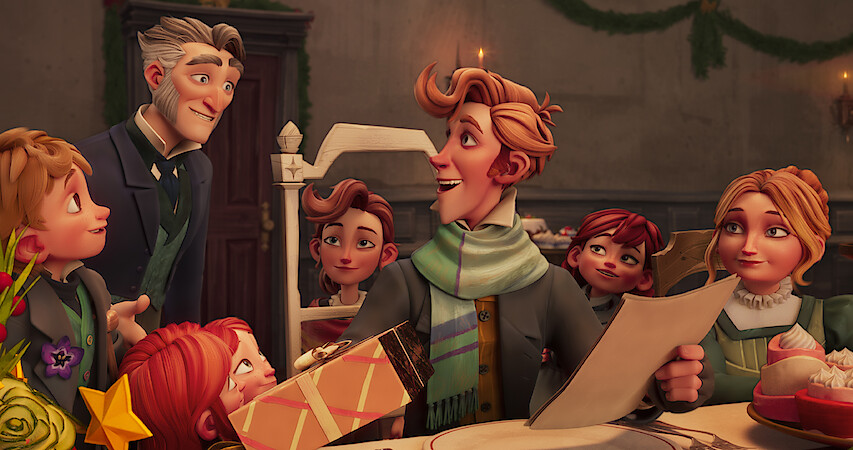
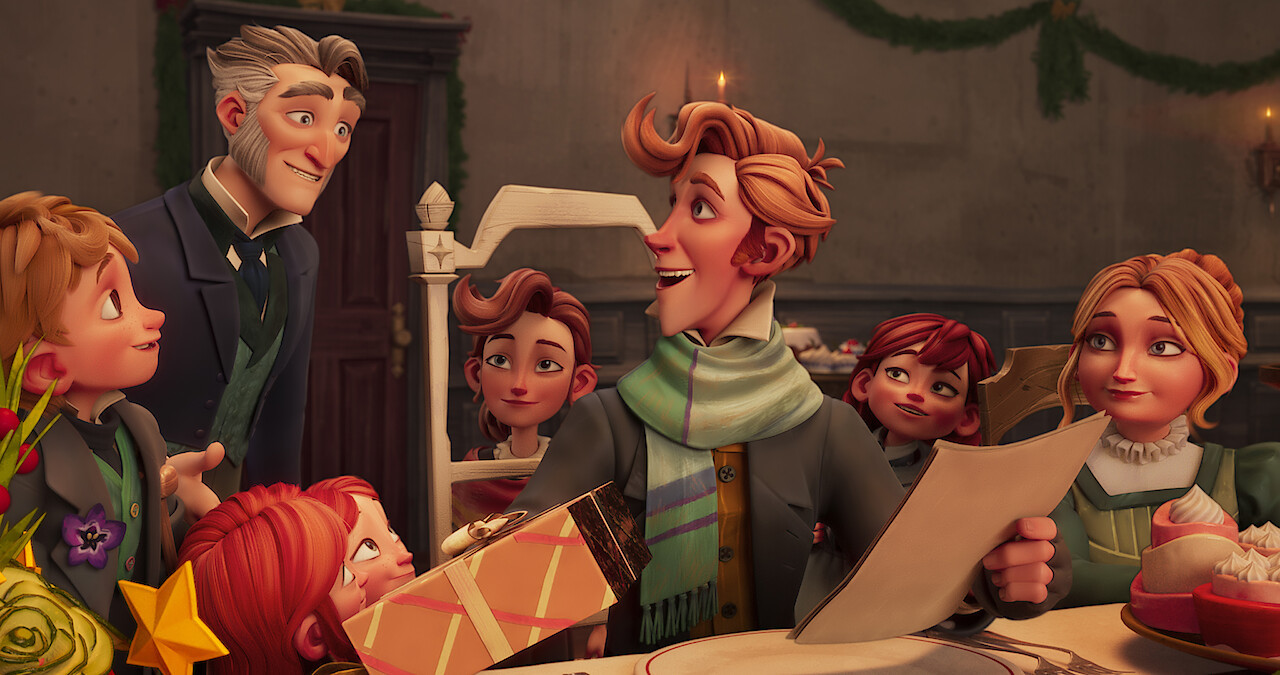
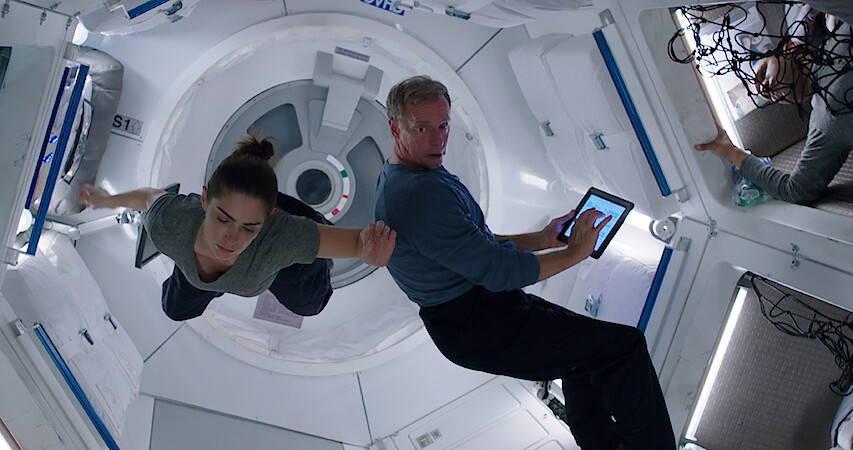
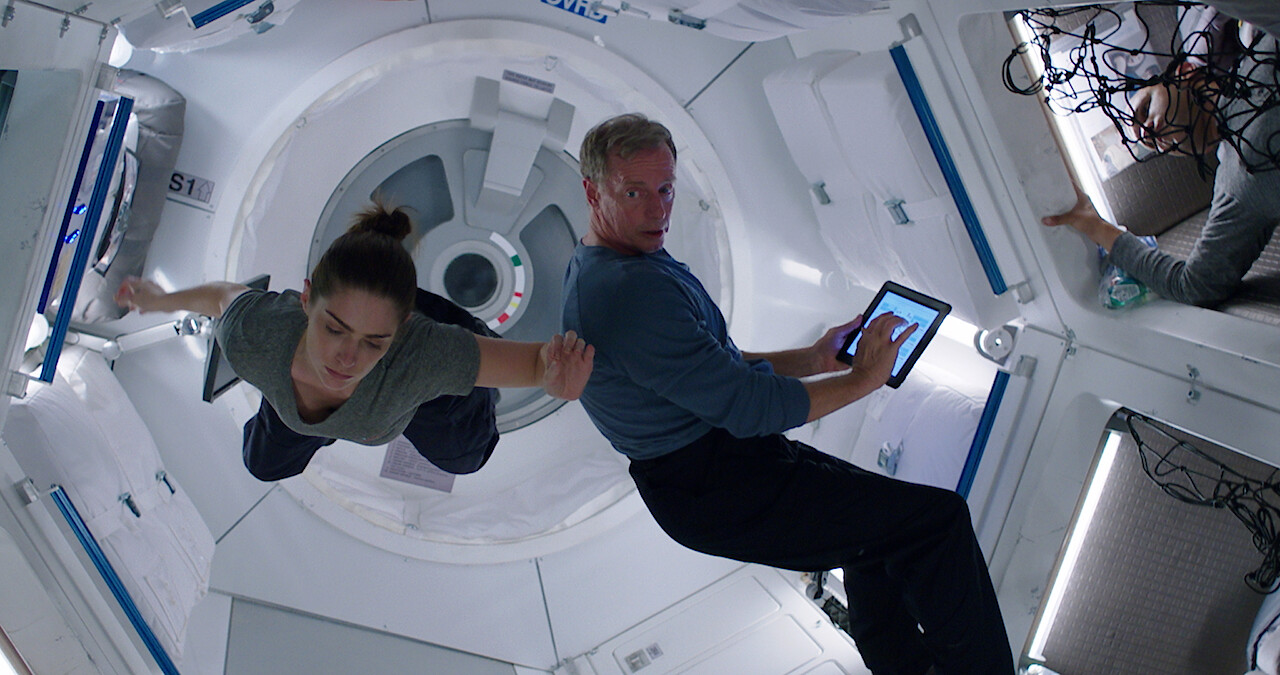
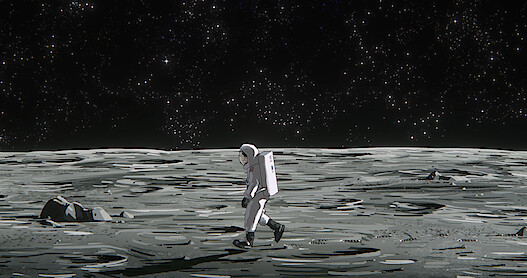
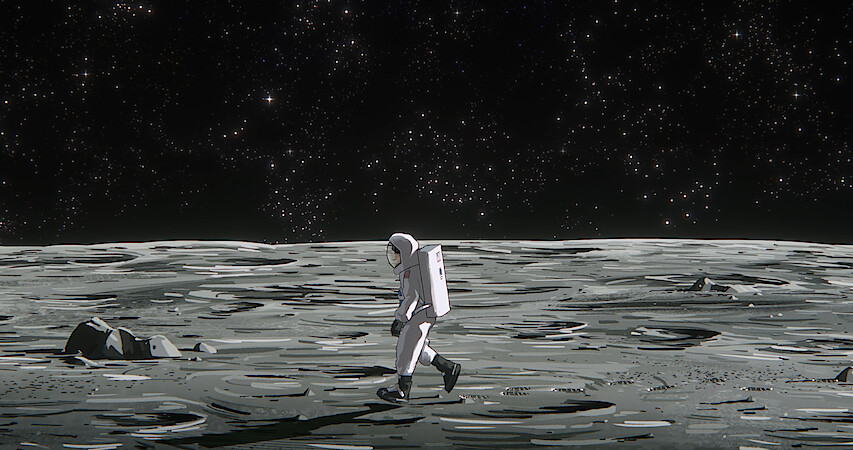
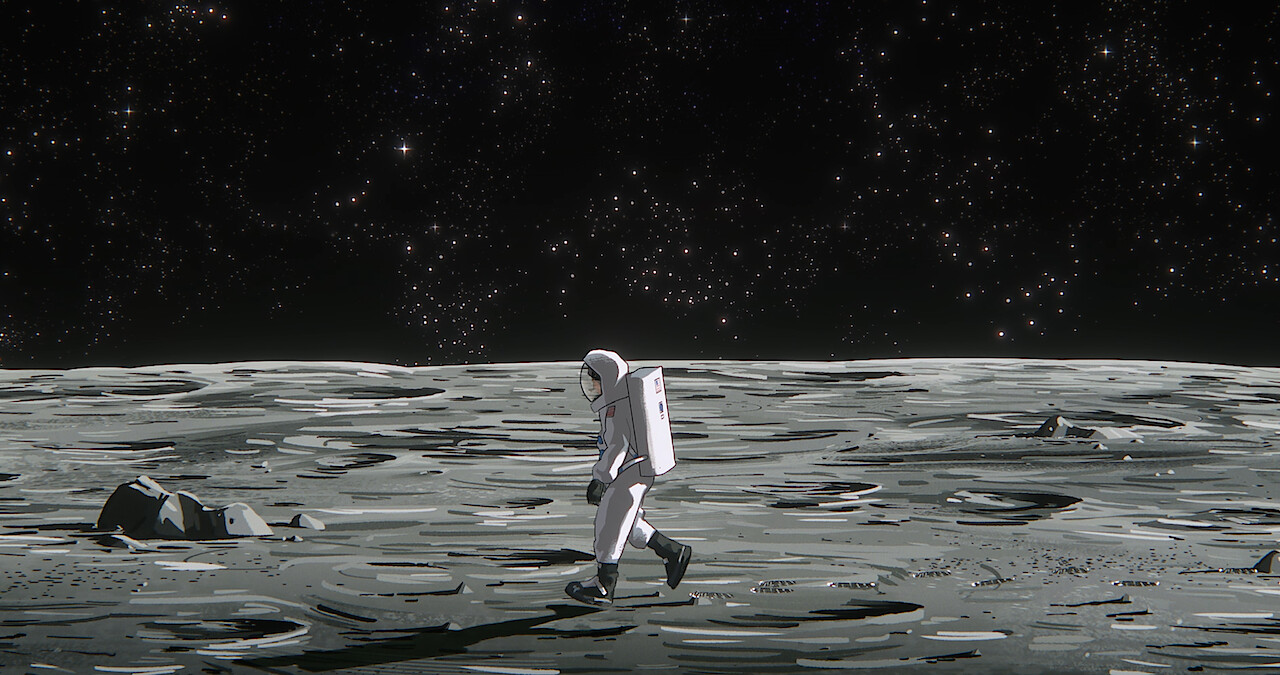
So as we watched Apollo 10 ½ for a family movie night, Norah’s love for the facts and only the facts took center stage. She continually asked me which parts were real and which were lies. And while Norah found one lie after another in Stanley's tall tale of being recruited by the Apollo space program at the age of 10 and beating all adults to the moon, I found connection.
When I was 10, I was a lot like Stanley, always making the fish a few inches bigger and adding dangerous blood-thirsty wildlife (tigers or rattlesnakes or black widows) to my retelling of every banal scout camp adventure. But I will admit, I never went as far as to say I went to space, which made me, in a lot of ways, really look up to Stanley’s ability to exaggerate. But not Norah. According to her, this movie was a steaming pile of lies. She actually emphasized the word lies each time she said it, almost like Stanley’s exaggerations of the truth were a moral failing rather than a 10-year-old boy with a pretty innocent and over active imagination.
Finally I said, “Stanley's not lying. He’s…” I thought for a moment, trying to find the right euphemism, “...stretching the truth.”
This was a concept she was familiar with and, naturally, but didn’t appreciate. She even gave me a pretty impressive pre-teen eye roll. Then she insisted they were lies, and finally we agreed to disagree. Well... at least until later in the film, when Stanley calls himself a “fabulist,” a creative way to say he exaggerated the truth, and I casually laughed and said, “To be honest, kiddo, I was a fabulist as well.”
Norah paused for a moment, her mouth half ajar, eyes open wide, with that look pre-teens get when they feel like they’re through the looking glass with their parents, and they have discovered some previously unknown slice of dirt that is contradictory to the life lessons they have been taught since birth. Finally she said with every ounce of shock her small frame could carry, “So you lied about stuff? I thought you said we shouldn’t lie?” She folded her arms and gave me a long hard look, almost like I’d just confessed to something far, far, worse, and our family was only one sliver of truth away from being the focus of the next Netflix true-crime documentary.
I said, “I mean, I didn’t ‘lie’ exactly.” I made air quotes. “But I certainly did stretch the truth, same as Stanley. I was known to, as my grandmother often said, ‘spin a yarn.’ ”
Once again she looked at me with utter confusion, clearly not sure what “spin a yarn” meant, but suspicious that I never spun anything with yarn, and I was lying once again.
And as Stanley finished his space training and prepared for liftoff, we were discussing the difference between truth and dishonesty, the whole time me trying to back paddle and reaffirm the importance of honesty, while also clarifying that exaggeration is something all great storytellers do.
We talked about fiction and nonfiction, and I used Apollo 10 ½ as an example. “This is all based in reality,” I said.
And like I’d come to expect throughout most of this conversation, she looked at me with suspicion. So I got out my phone, and we started researching the Apollo Space Program and NASA and the moon landing. The conversation became half a historical education, half a lesson on how some of the best stories, novels and movies are often based on real life events, with an exaggerated spin on the truth.
“It’s important to tell the truth,” I told her. “But sometimes, when it comes to telling a good story, it’s okay to mix the truth with fiction. I think the important part is, and this is something I learned the hard way during my time as a fabulist, you have to make sure people know it’s fiction. As long as you do that, the sky’s the limit.”
And right then, with that last bit, she seemed to get it. I could see an understanding click behind her eyes almost like her imagination now had the freedom to run wild without the shackles of sticking to the truth and only the truth.
By the end of the film, she asked me a similar question to the one she asked at the beginning, “Did he really go into space? Or was it all a ‘tall tale’?” She made air quotes with her fingers. And as she looked at me, it seemed clear that she was really asking if he was lying. Finally I said, “Well... was it a good story?” She smiled and nodded. “And did you know it was fiction?” She thought and then reluctantly nodded. “Then, I don’t think it really matters.”
I shrugged, she smiled, and then I told her it was bedtime. “For real,” I said, “nonfiction.”
She gave me one more eye roll and went upstairs for bed.