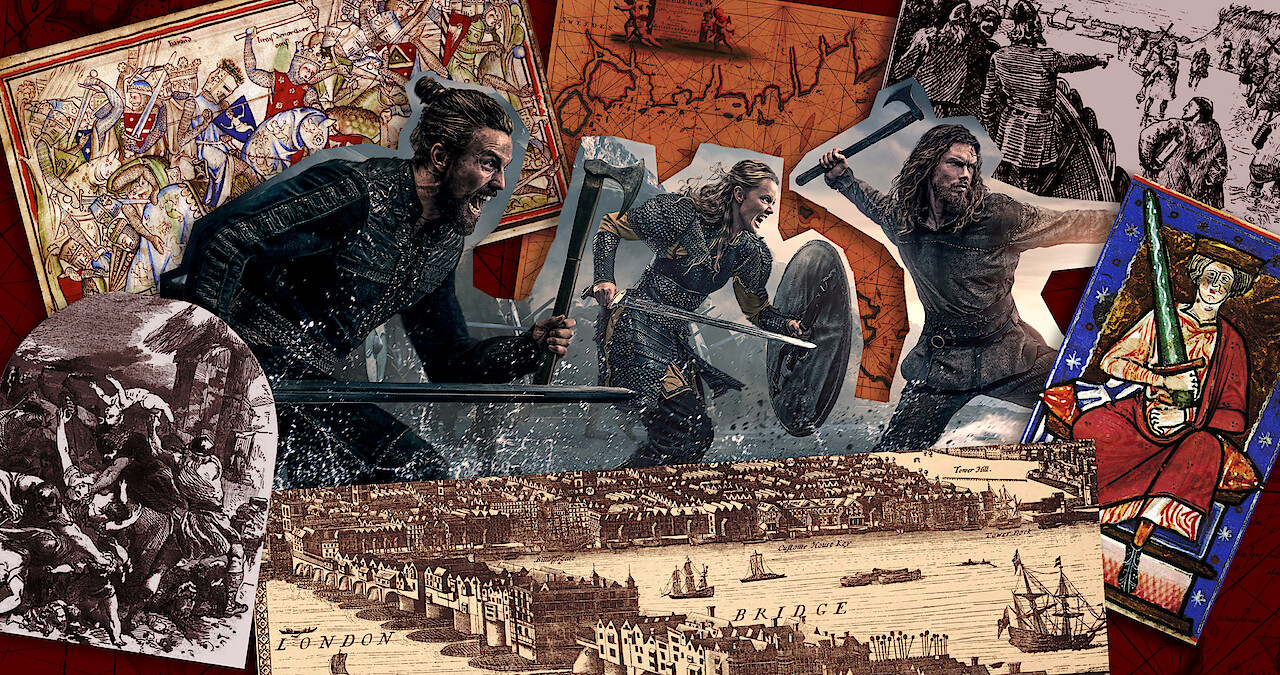
While the Viking age is well represented in popular culture, the real details of the Scandinavian adventurers remain murky due to a dearth of written accounts by the Vikings themselves.
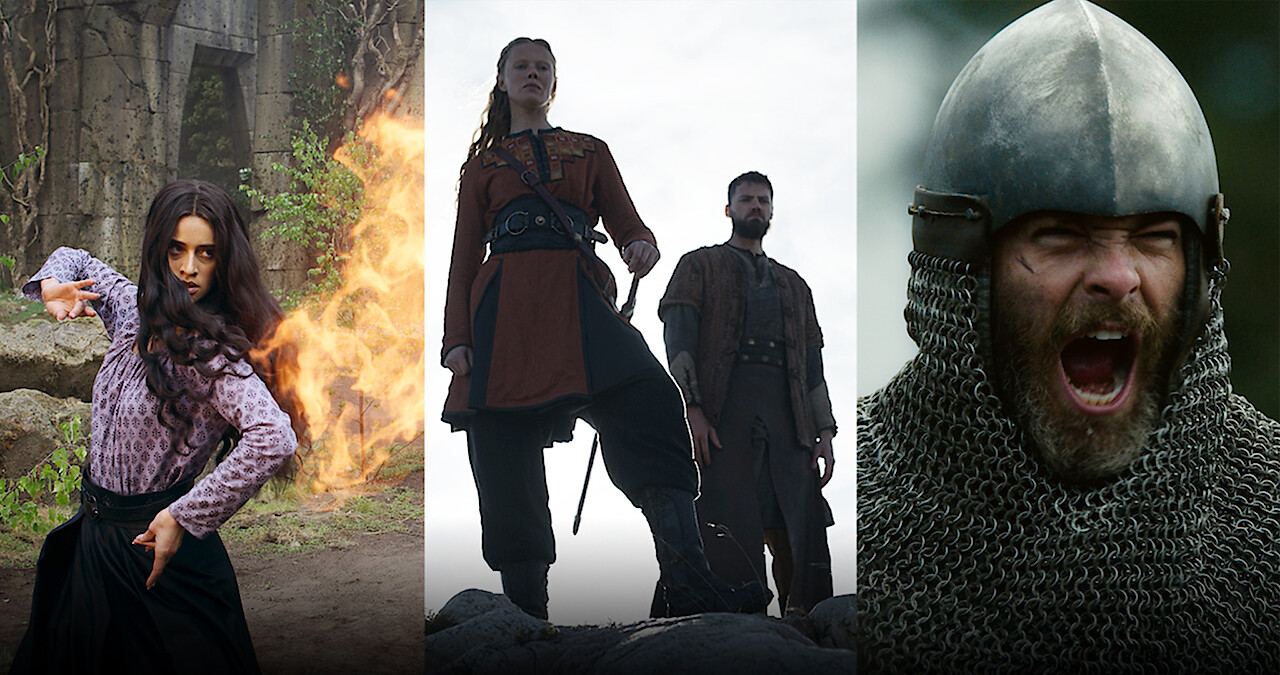
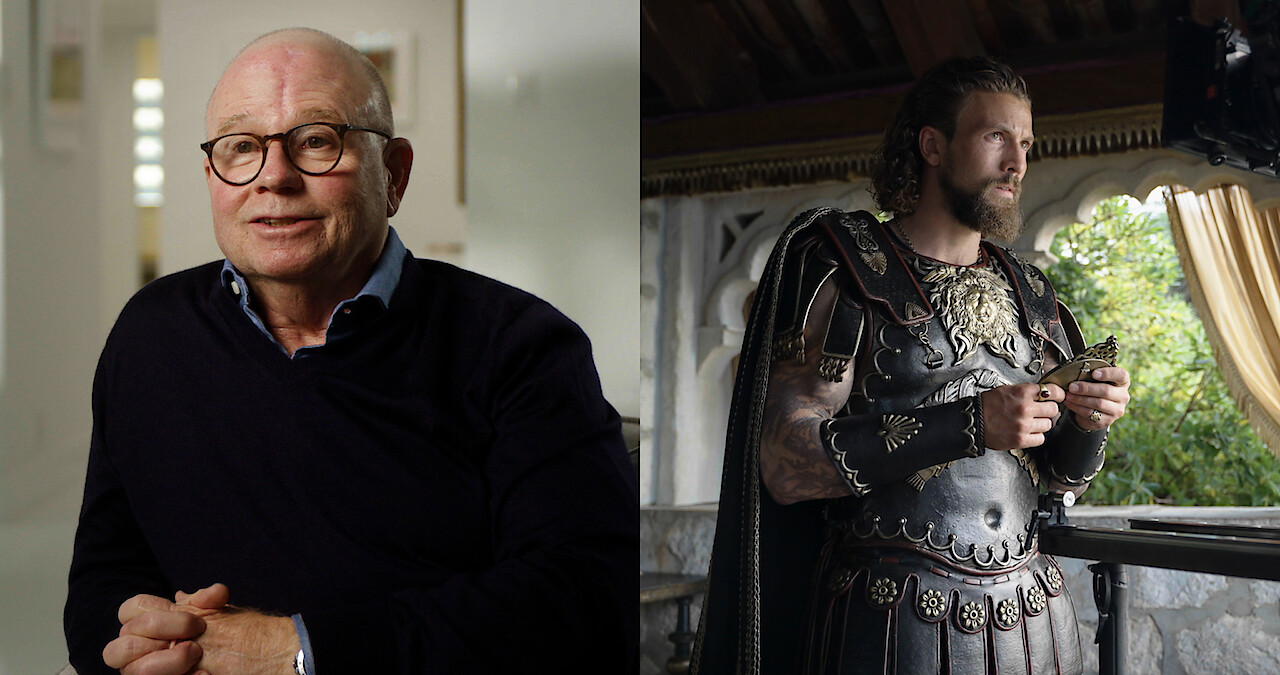
Vikings: Valhalla features many real historic figures, but some details are dramatized because accounts of 11th-century Europe don’t tell the whole story. That’s both a challenge and an opportunity for series creator Jeb Stuart as well as historian Justin Pollard, who also served as a consultant for the original Vikings show.
“I’m working from chronicles which might only have a line or two for the events of the whole year and longer documents that were written for very political reasons and are hence highly propagandistic,” Pollard tells Tudum. “I often know who was where and when, and perhaps a major event that happened, but how they got there, why they went and what they thought would happen are sometimes almost impossible to know for sure.”
Pollard compares the process of developing a season of Vikings: Valhalla to making a stained glass window.
“I trace the outlines that make a historical scene, as authentically as possible, and Jeb adds the colored glass to bring the picture to life,” he says.
“We stress-test all of these ideas,” Stuart says. “There were certain characters that I would’ve liked to have put on the boat that I adjusted because of some of the historical research. But for the most part, it dovetails nicely.”
Bernard Walsh/Netflix
Did Harald really travel to Constantinople?
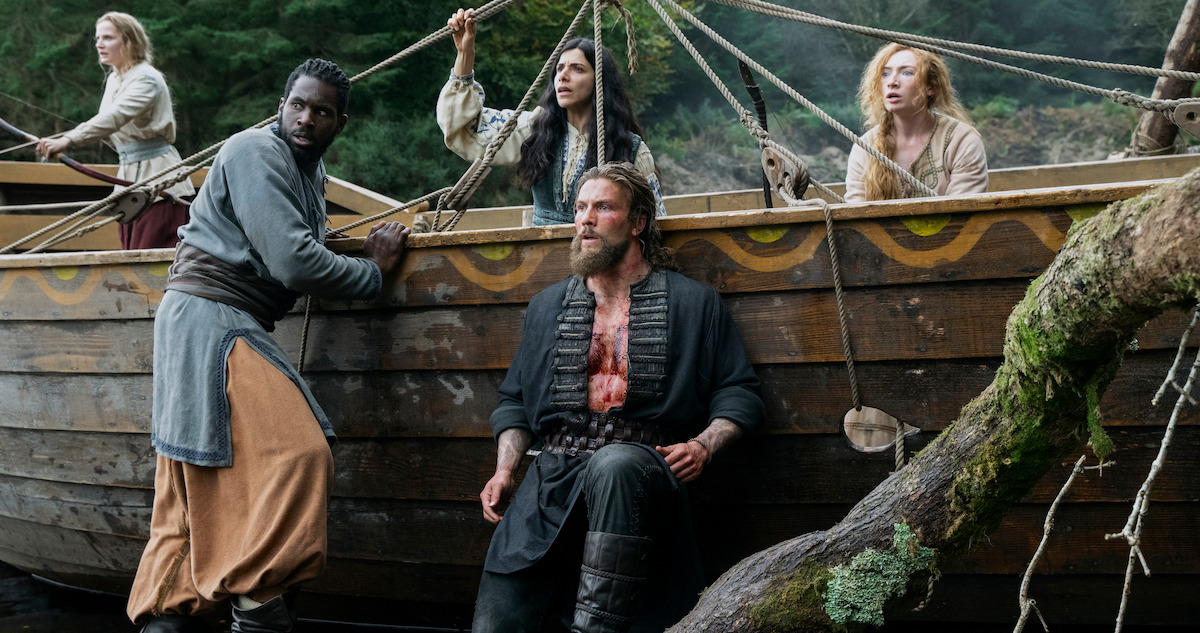
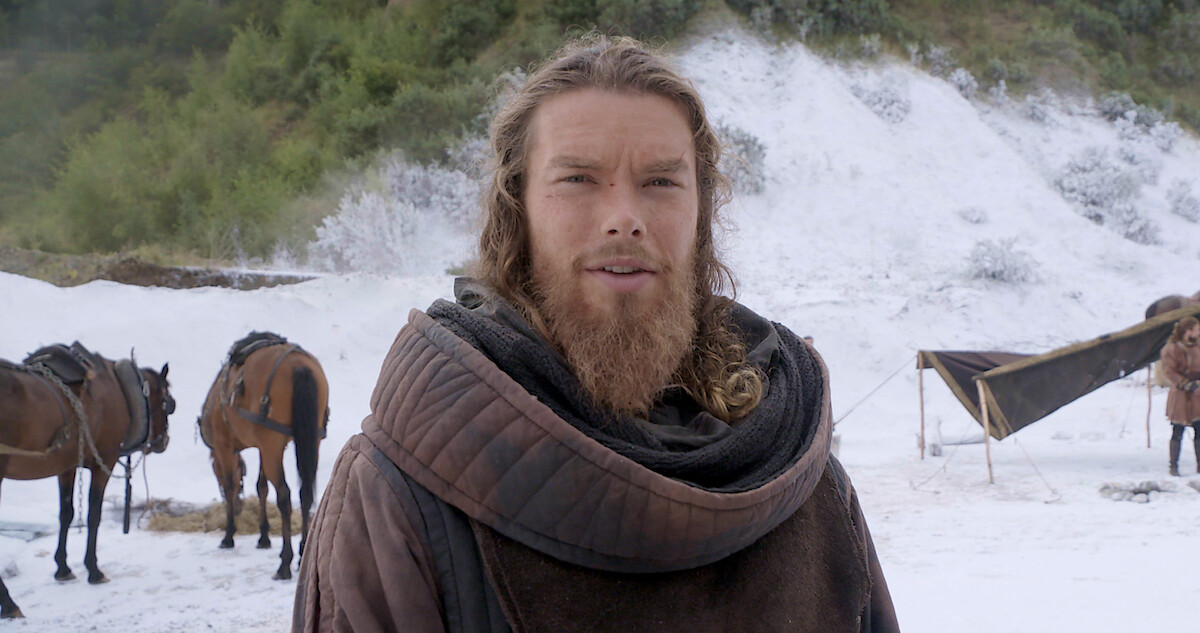
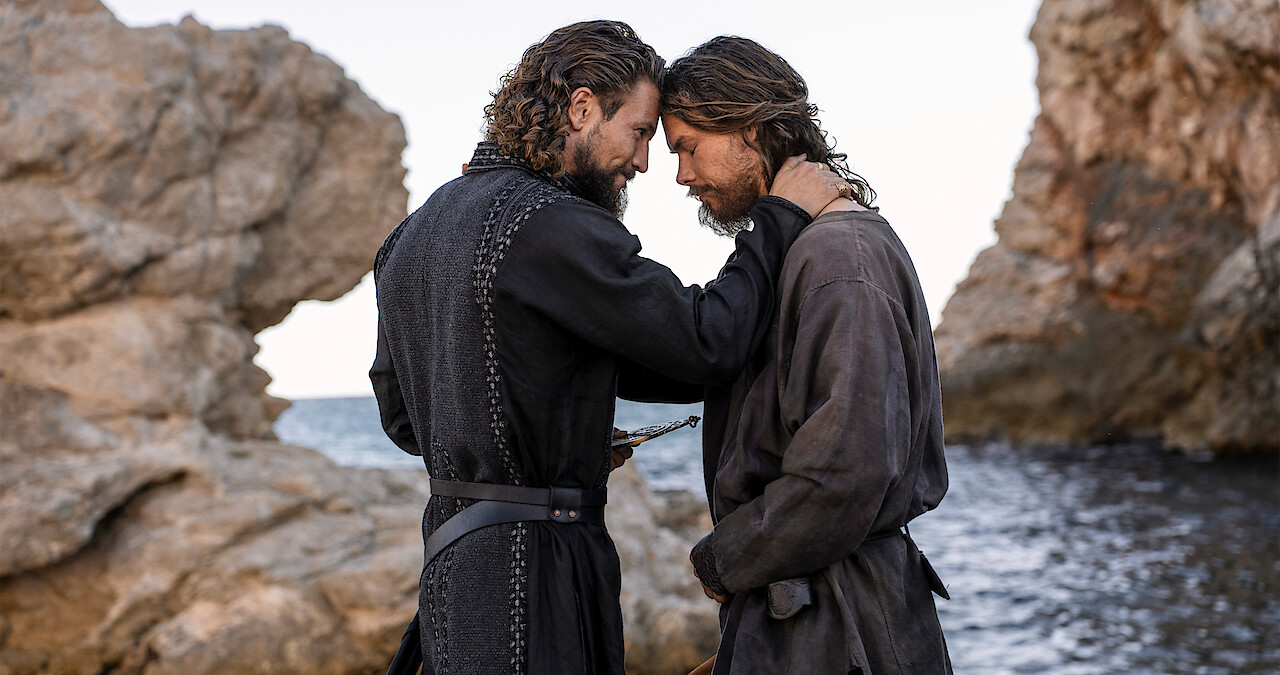
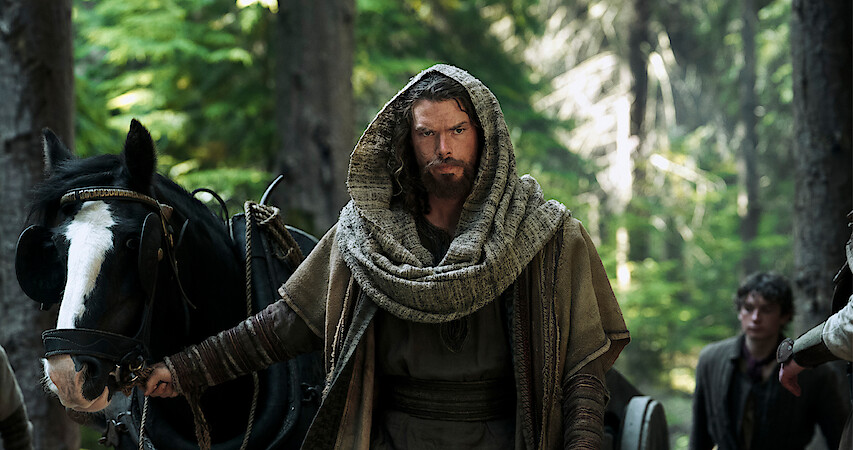
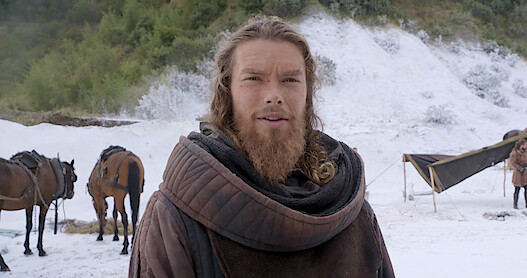
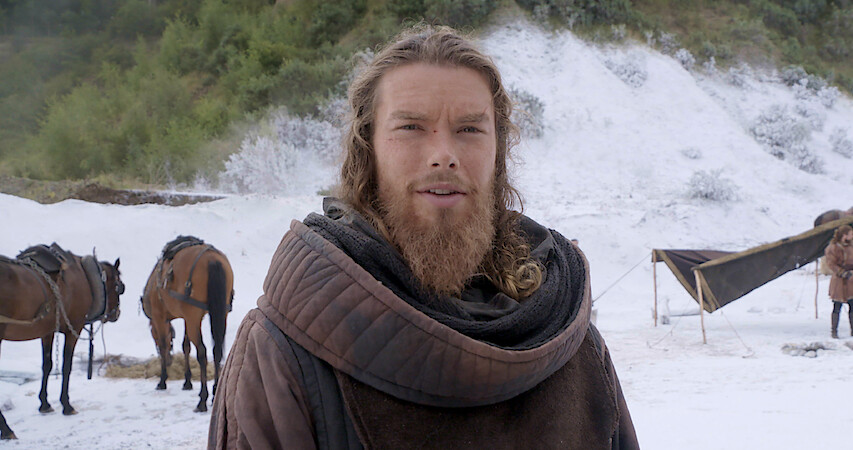
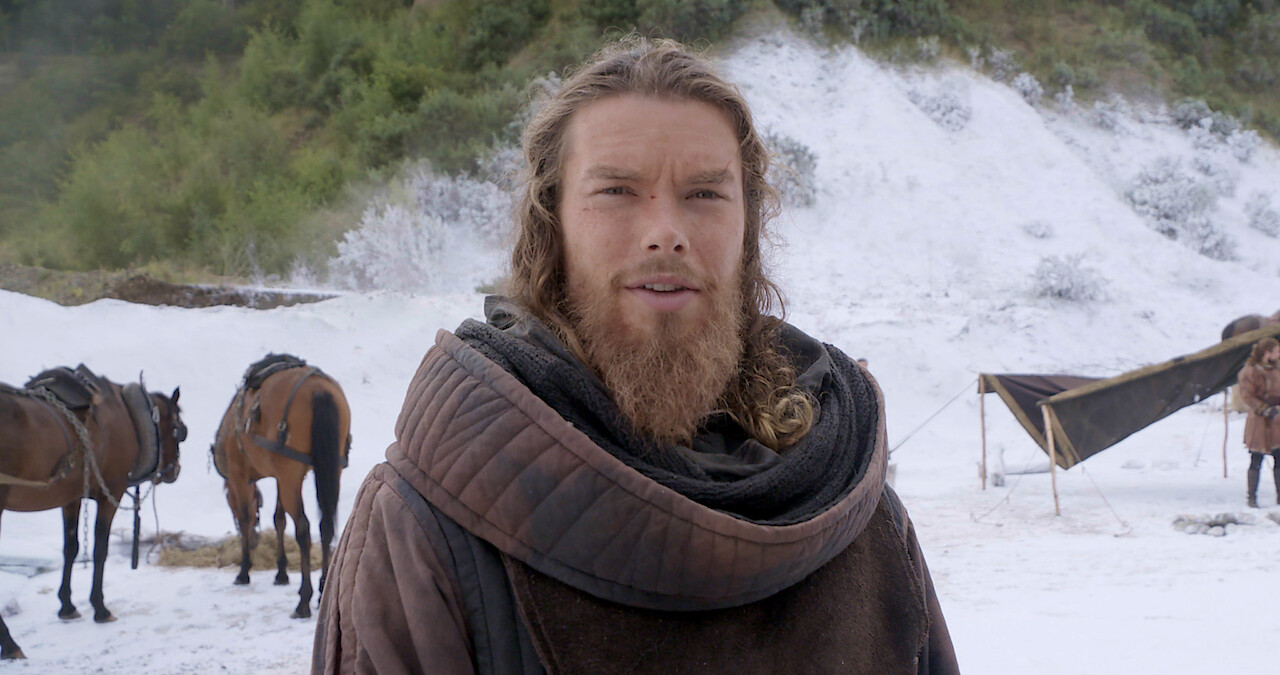
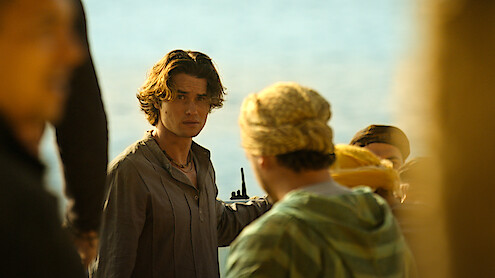
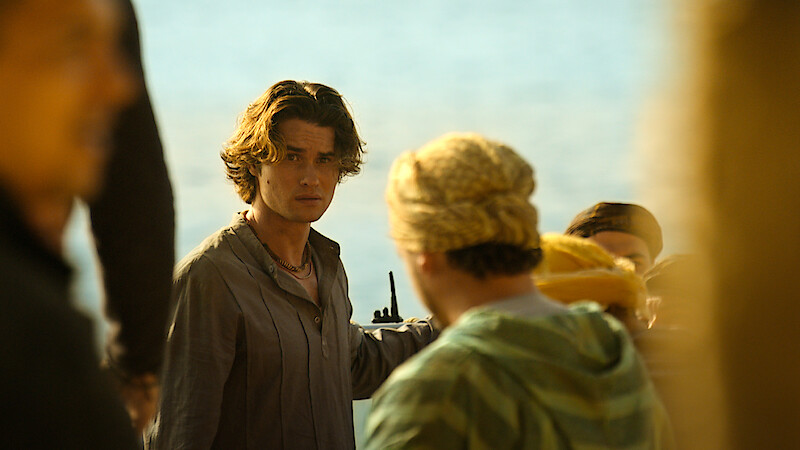
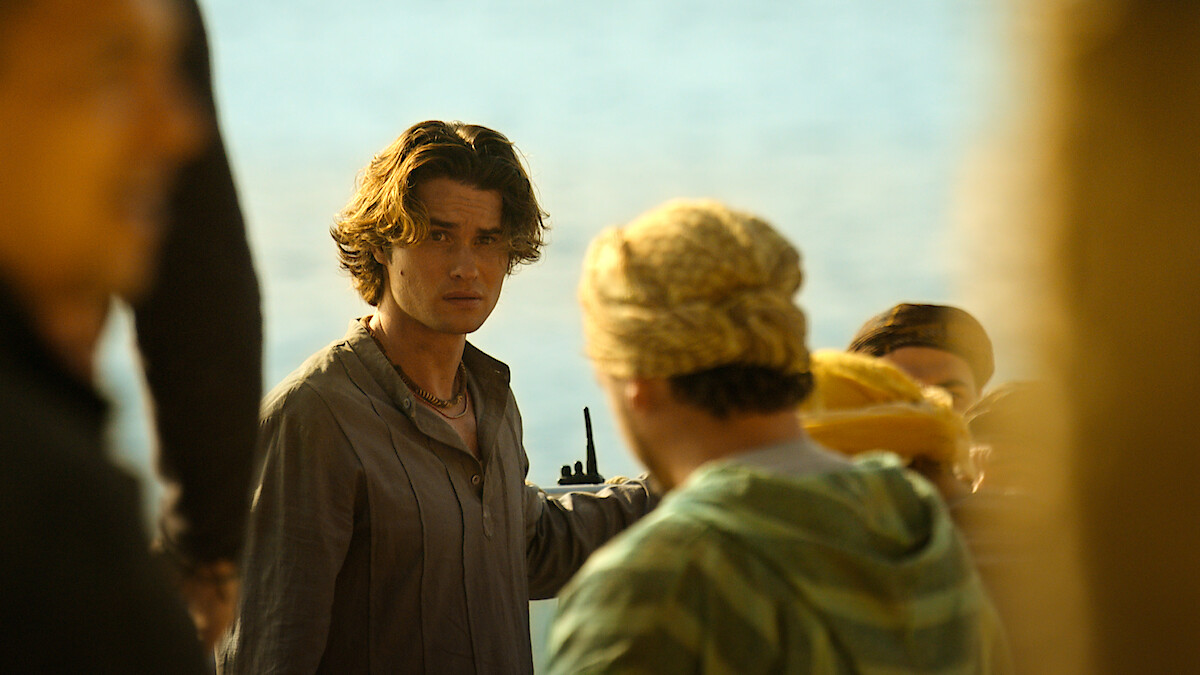
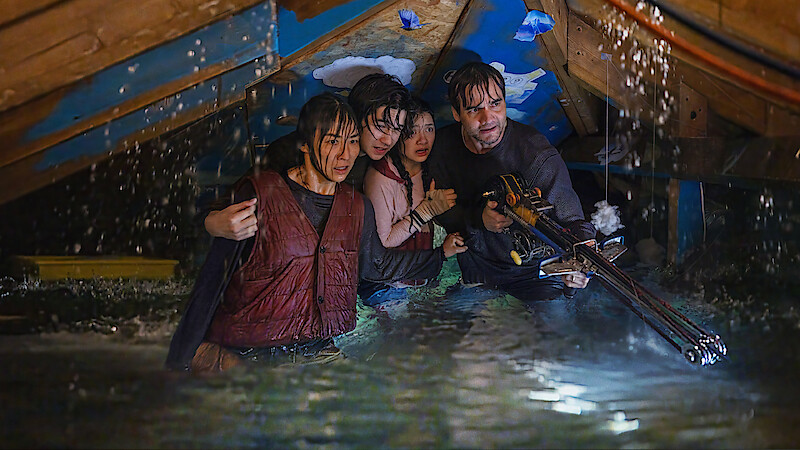
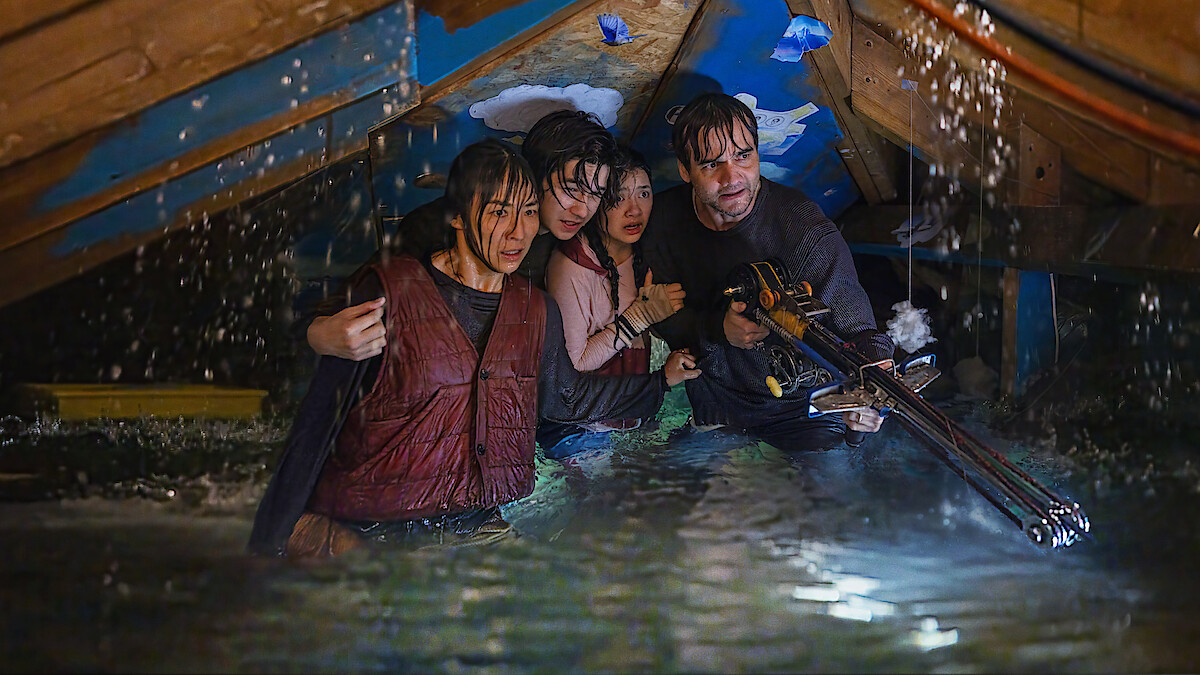
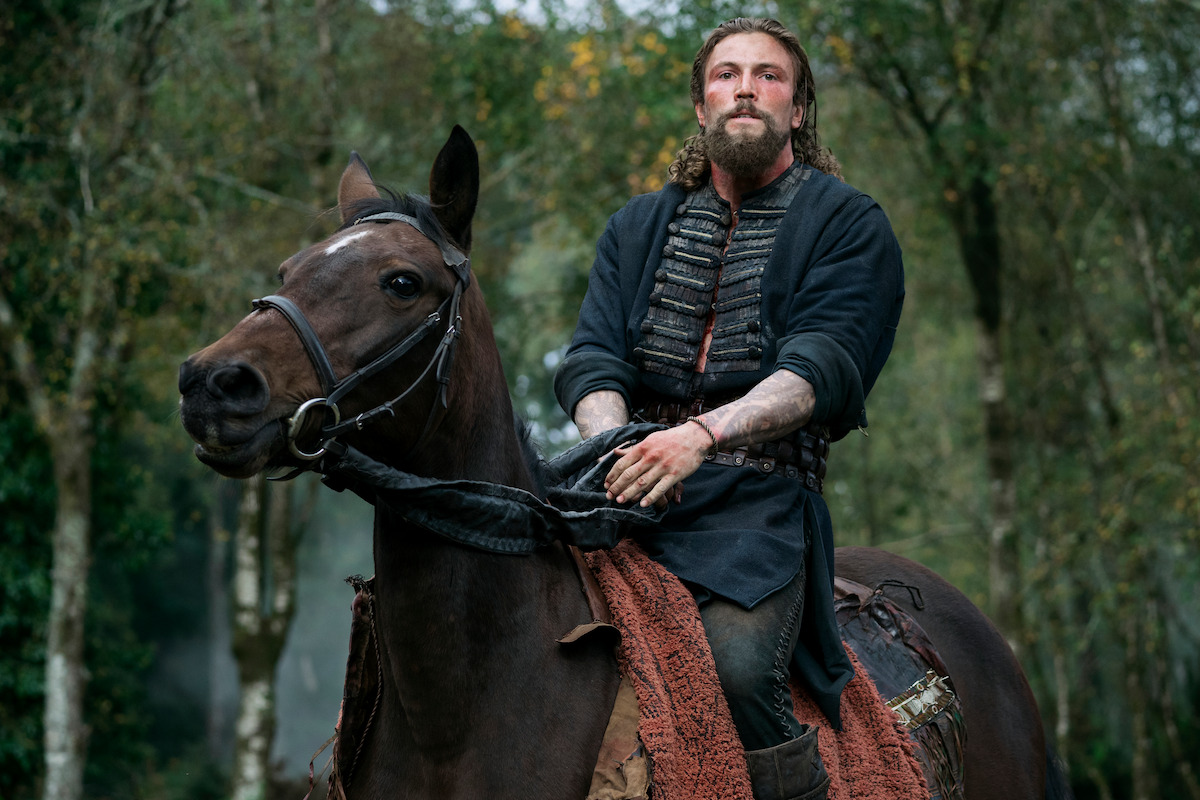
Much of this season follows Harald Sigurdsson and Leif Eriksson as they travel the Dnieper River on their way from Novgorod to Constantinople on a fur trading expedition meant to fund Harald’s fight against his half-brother Olaf.
“We know when [Harald] got to Novgorod and when he started the journey,” Stuart tells Tudum. “We don't know what happened on the journey, which is fun for me because I get to make that part of it up. We know he did make it to Constantinople, and we know he spent quite a few years in Constantinople, which is coming down the road in Season 3.”
Pollard adds: “It’s worth remembering that Constantinople was a great cultural melting pot, standing as it does on the main trade routes between the Far East, Middle East and Europe. Traders from all over the world, including Vikings, who loved to trade, were frequent visitors to the markets there where everything could be bought, from Arctic fox pelts to African incense and Chinese silk to British woolens.”
Bernard Walsh/Netflix
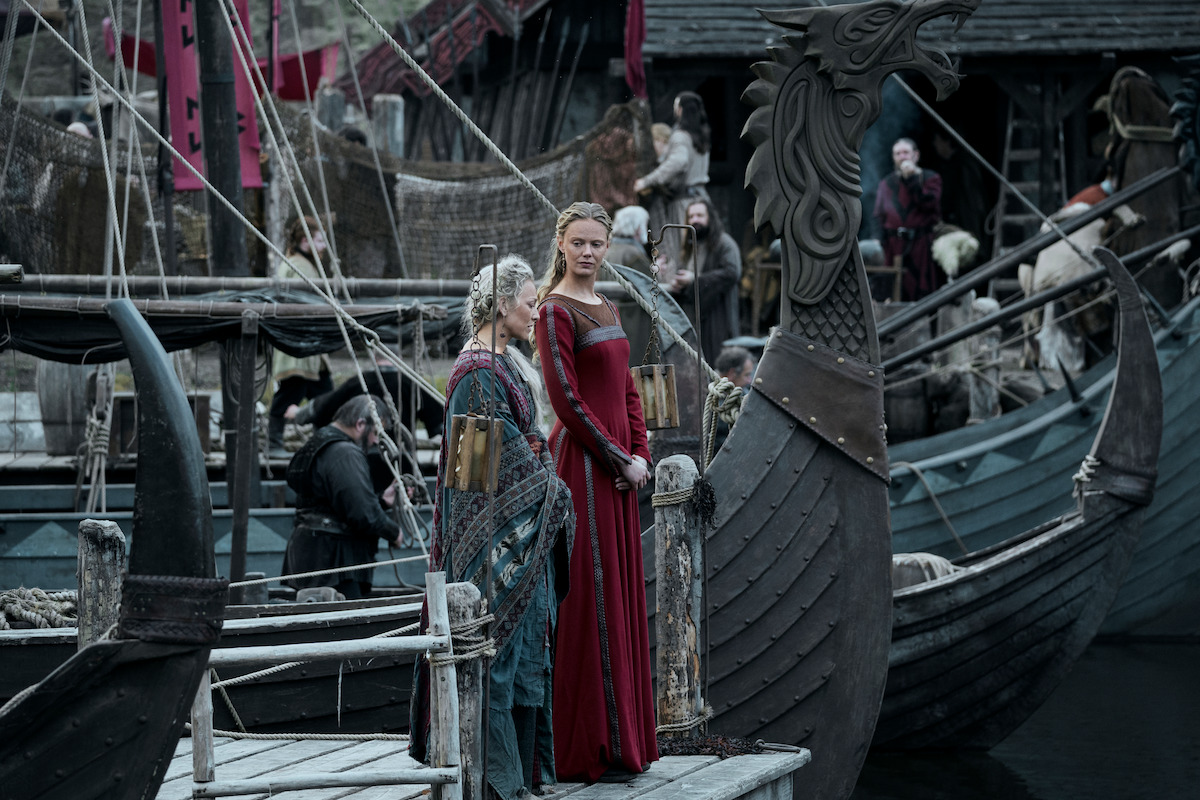
What were Vikings doing in Constantinople?
During the series’ time period, Vikings in Constantinople formed an important part of the administration, says Pollard. The Varangian Guard, as they were called, were an elite part of the Byzantine army, forming the emperor’s personal protectors. “Who better to have as a bodyguard?” says Pollard.
“They were first recruited from the Kyivan Rus’, the Vikings who formed a state based around Kyiv in Ukraine, says Pollard. “After they were Christianized, the Byzantine emperor Basil II decided they were more trustworthy than having local Byzantine guards whose loyalties could easily shift in the ever-changing political situation in the empire.”
Vikings from Scandinavia joined too, drawn by the promise of the chance to earn fame and fortune abroad.
“These Vikings are well documented in Byzantine records and took part in many wars, being held back as shock troops until the decisive moment,” Pollard says. “There is even surviving Viking runic graffiti carved inside Justinian’s great church, the Hagia Sophia, by Vikings who were clearly a little bored by the service!”
Who was Mariam al-Astrulabi?
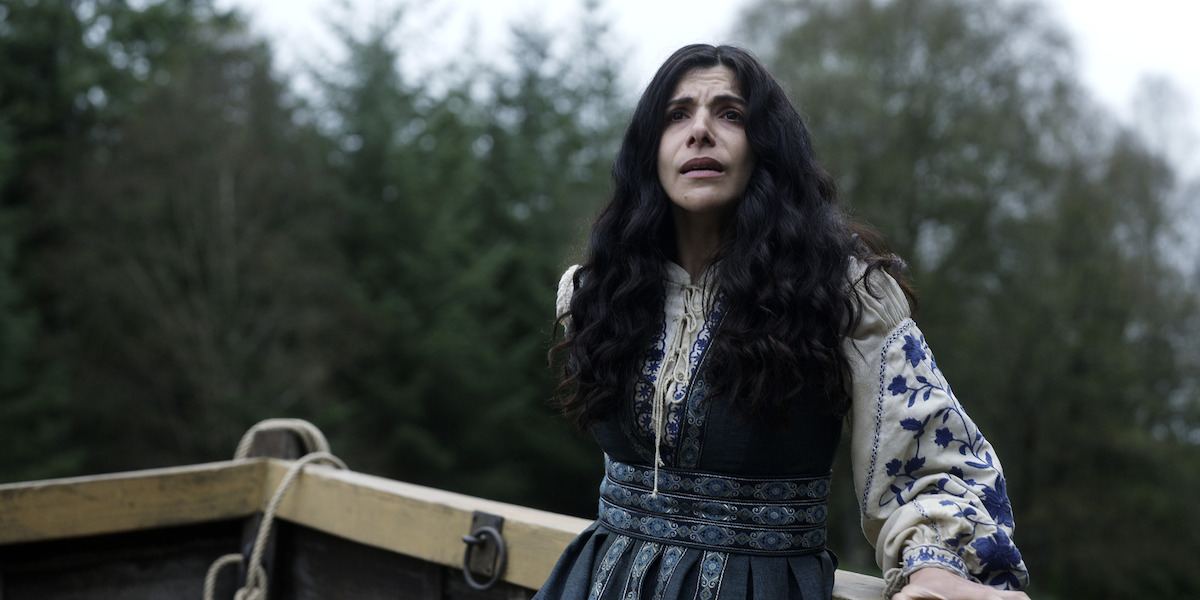
In the series, Leif and Harald travel with a motley crew including an enslaver bringing redheaded women to the harems of Constantinople and Mariam, a Syrian polymath who came to Novgorod to study astronomy. Some of these characters are rooted in the history of the time, even though it’s unknown who actually traveled with Harald and how he navigated the river.
Mariam was inspired by Mariam Al-Ijliya (aka Mariam al-Astrulabi), a Muslim woman who made astrolabes in Aleppo, Syria, during the 10th century. According to Stuart, she was active during the 150-year period when women were admitted to the House of Wisdom in Baghdad, which was a massive library. She used that knowledge to apply new mathematical formulas to the existing tool for charting the path of celestial bodies, greatly improving its usefulness. The show imagines that Mariam met Leif Eriksson and taught him how to use an astrolabe to explore unfamiliar waters well before his trip to the New World.
“If you know what’s actually happening at that time, it’s not too hard to see where your characters could intersect with real history,” Stuart says. “If they could intersect with real history, who is there to say that it might not have happened? That’s the gray area of history that I love playing in.”
Bernard Walsh/Netflix
How were women involved in positions of power at the time?
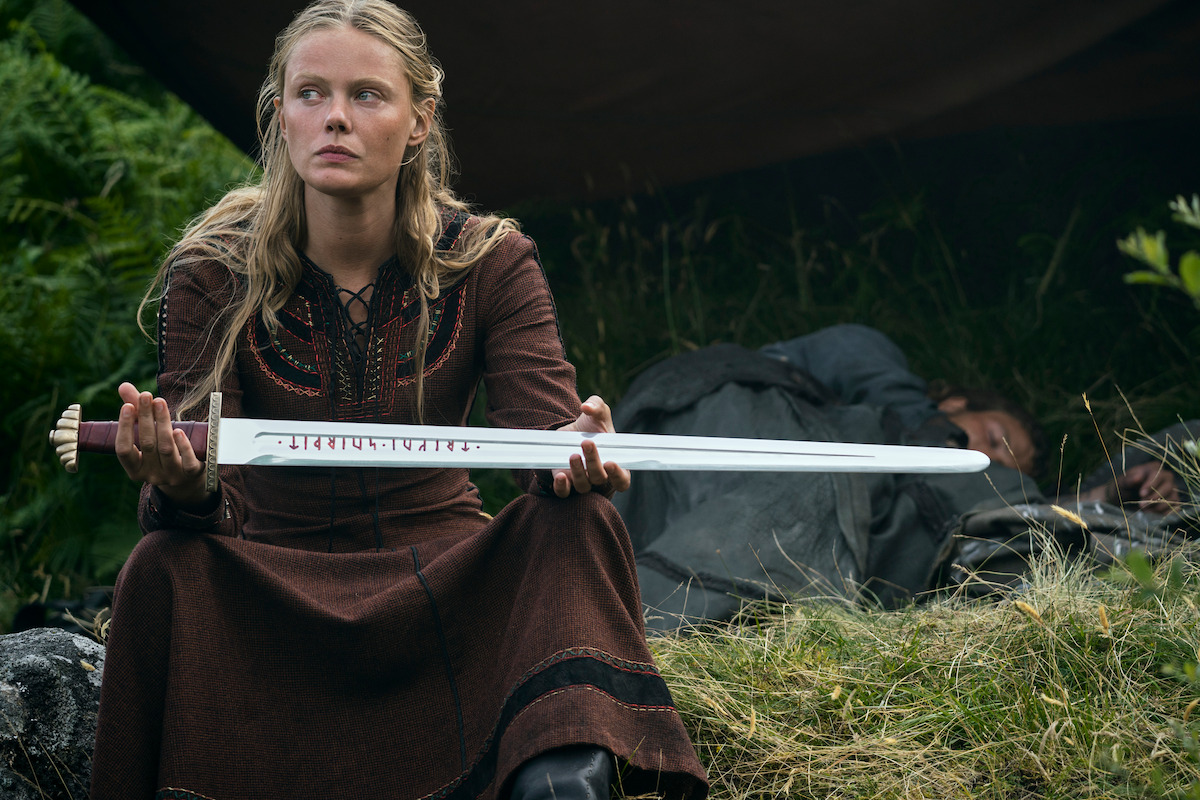
Pollard says the agency of women at the time is one of the things that surprised him the most when researching the 11th century. Season 2 shows Queen Emma of Normandy effectively ruling England while her husband King Canute is away at war.
“Women might not have been written about by male monastic chroniclers, but they were there and exerting a soft power that was, I think, more transformative of society than the wars of kings,” he says. “It is the women who are the dynasts, who protect their families, who think about political alliances and who influence men who are often little more than poorly educated, brutal warlords.”
Emma’s story in England is packed with intrigue also driven by Godwin, another historic figure who became a powerful earl during Canute’s reign.
“We know that certain elements happened in Godwin's life and Emma's life, [but] we don’t know how they got to that point,” Stuart says. “For me, again, that’s the wonderful gray area to go tell a little Hitchcockian tale. Sometimes I felt like I was the only one who knew how that tale would end, but I don’t mind that. I love suspense and I love tying it into an action story.”
Women weren’t written about as often as men, so Stuart can take more liberties with characters like Leif’s sister Freydís Eiríksdóttir. This season she travels to Jomsborg, a Viking stronghold in Pomerania that has been written about but never found by archaeologists. The place is meant to be a haven for persecuted pagans, but Freydís quickly learns it’s got its own host of problems.
“I think we’re beginning to rediscover the missing half of our history,” Pollard says. “This is the best thing about historical drama — we have to have dialogue so we can give voice to those people denied their voice by written history.”
Bernard Walsh/Netflix
How the Vikings team creates historical drama
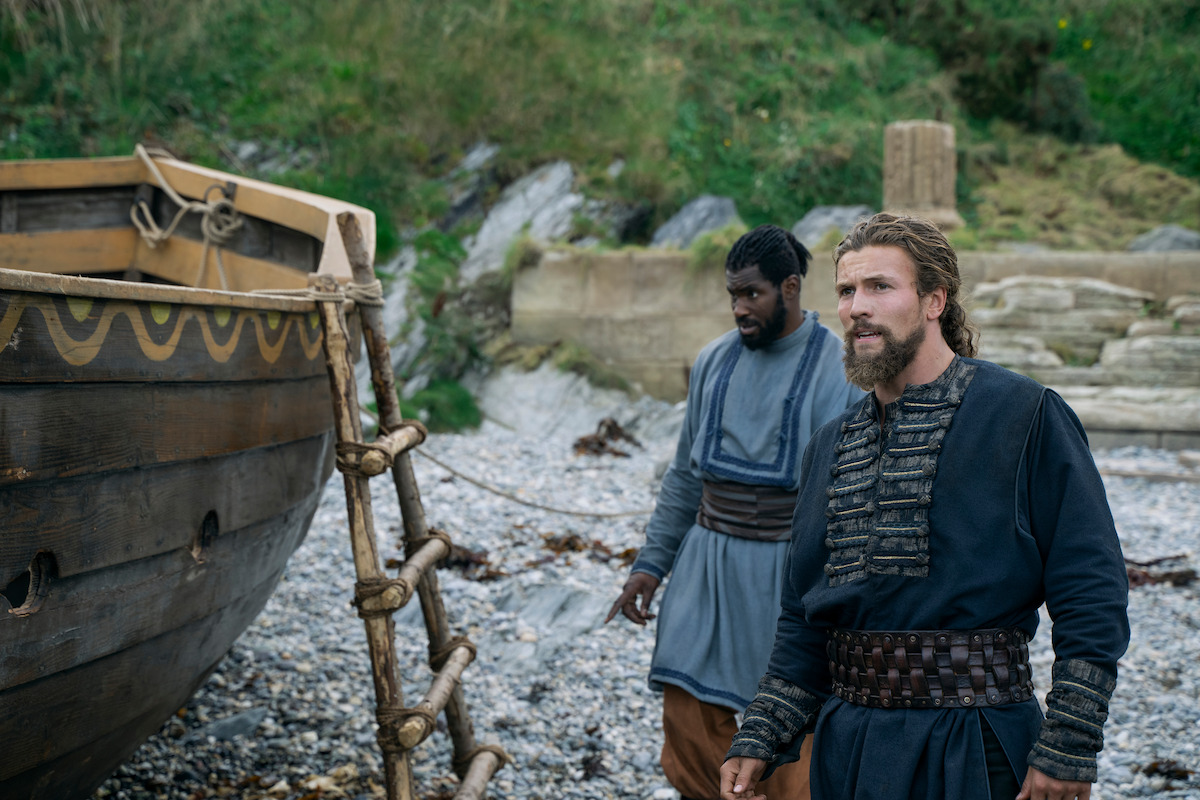
Many of the people working on the art, props, costumes and makeup for Vikings: Valhalla also worked on Vikings from 2013 to 2020, blending history and design with some help from Pollard.
“I get called in when they need linguistic help for maps or hero items, or they need help with iconography — for tattoos, for instance,” he says. “We also spend a long time checking on cultural sensitivities where there are modern groups descended from the peoples we’re re-creating.”
Who were the Pechenegs?
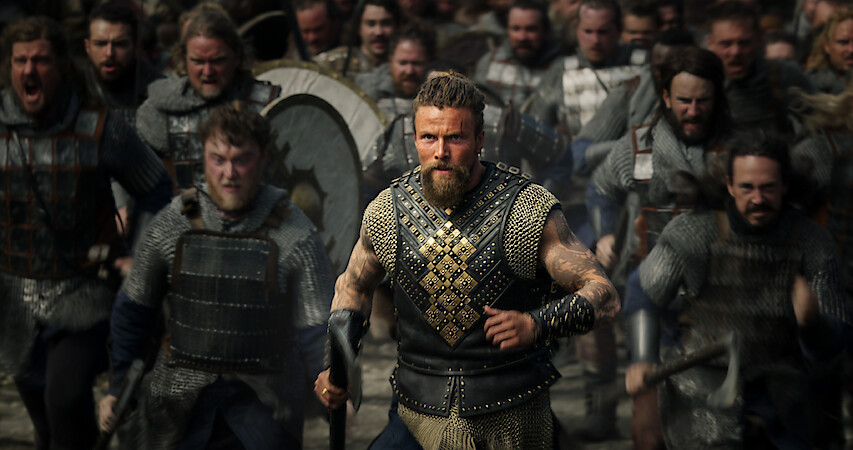
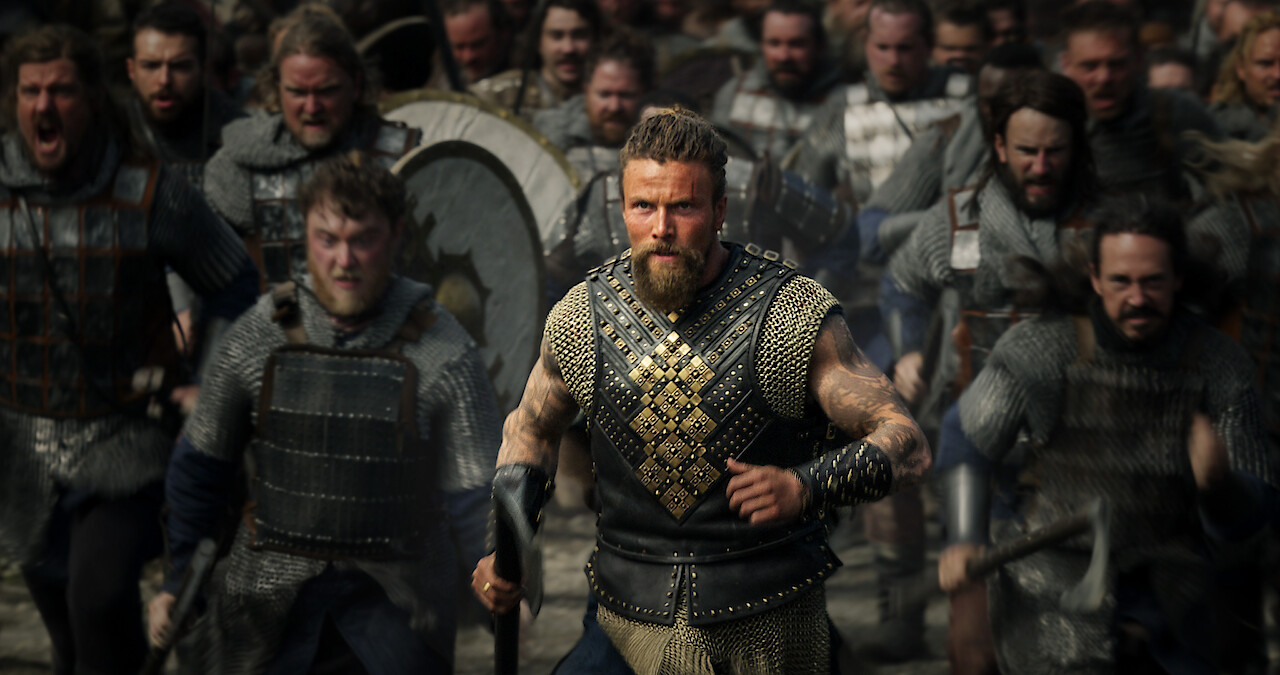
Sometimes Stuart changes history to better suit the narrative, condensing timelines and combining or eliminating characters. Harald’s mission in Vikings: Valhalla Season 2 is particularly daring due to regular raids by the Pechenegs, a semi-nomadic group who warred against Kyivan Rus’ — but the action doesn’t quite match the records.
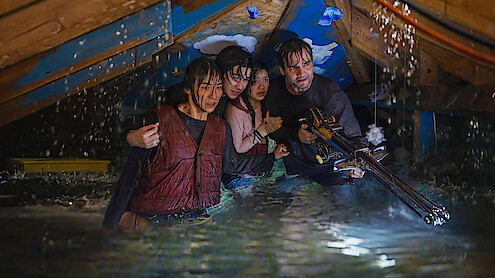
“We know that the Pechenegs bottled up the Dnieper River and nobody could get up or could get down,” Stuart says. “We don’t know that Harald got past the Pechenegs, but I can give you a lot of good ideas. I go and I say, ‘Here's what I’d like to do,’ and the feedback comes back, ‘Well, at that time the Pechenegs were 150 miles east of where you’re thinking.’ Well I don’t think the audience will mind if I move them closer to it.”