Culture
2021 Was the Year of the Interior Thriller
Passing, The Power of the Dog and The Lost Daughter channeled loneliness and upended thriller conventions.
By Max Cea
Feb. 8, 2022
At the start of the pandemic, there was a pervasive notion that as we quarantined at home, cinema would be a salve — a welcome portal to long-lost times and faraway places. Online journalists made their case for being essential workers by churning out a seemingly endless supply of SEO-friendly cinematic travel brochures: “11 Movies to Transport You Around the World While You’re Stuck at Home”; “The best movies to transport you to another place during your quarantine”; “These 8 travel movies will transport you around our beautiful world”; and so forth. If we were going to be stuck at home, the thinking went, at least movies would transport us away from our newly disconnected and utterly tedious existences.
And indeed, even as our adherence to quarantine has slackened, movies have been a welcome form of vicarious living. This year, we’ve taken immense joy in gallivanting around the San Fernando Valley of the 70s, cycling through mid-century Ennui-sur-Blasé and even skulking around a modern shiva in New York City. (Also, faces. Love the bottom half of them!) But this past year’s slate of films has not been free from the creeping sensations of pandemic living. Instead, many 2022 Oscar hopefuls are brimming with a now all-too-familiar sense of isolation, danger and simmering anxiety. When all is said and done and the golden statuettes have been handed out, this may be remembered as the year of the slow-burn interior thriller.
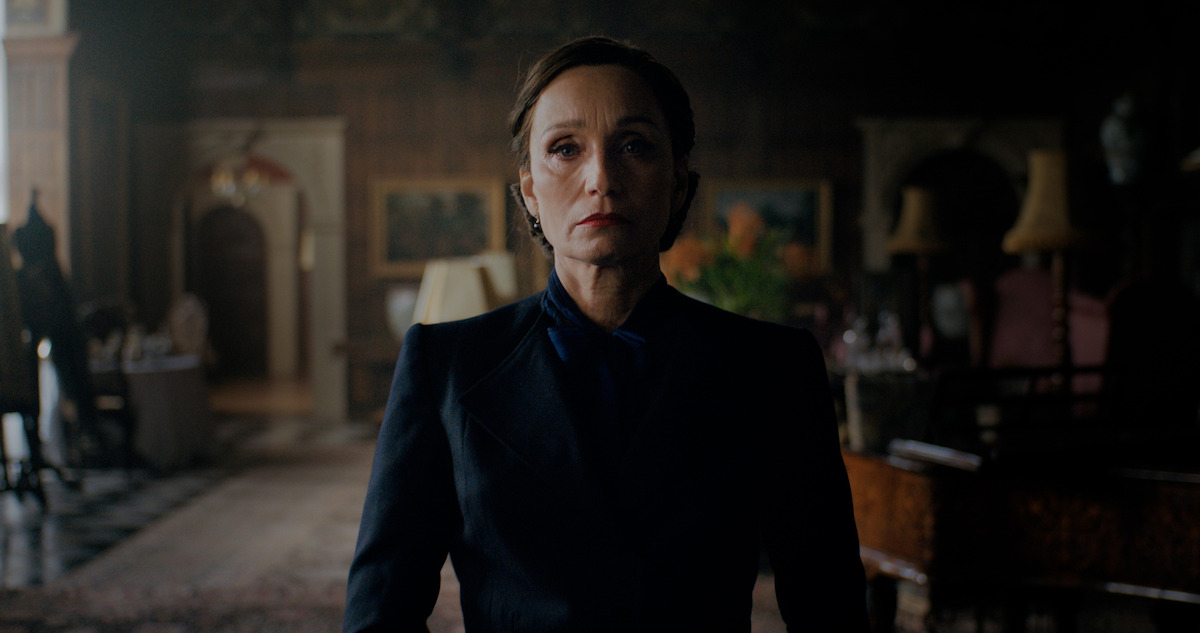
We’re thinking, in particular, of films like Passing, The Power of the Dog and The Lost Daughter. These literary adaptations whisk us away to picturesque locales like 1920s Harlem, the old American West and a contemporary vacation resort on a remote Greek island. Though they all make the most of their rich settings with lush, lingering cinematography, their foremost dwelling is within their main characters’ minds.
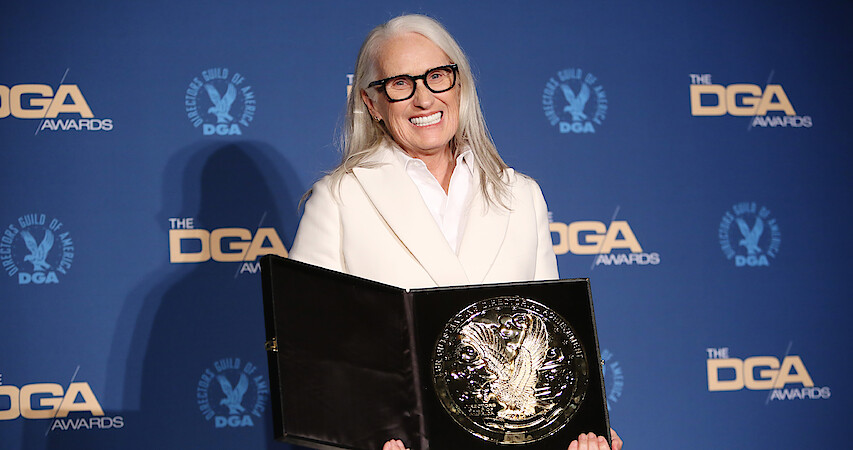
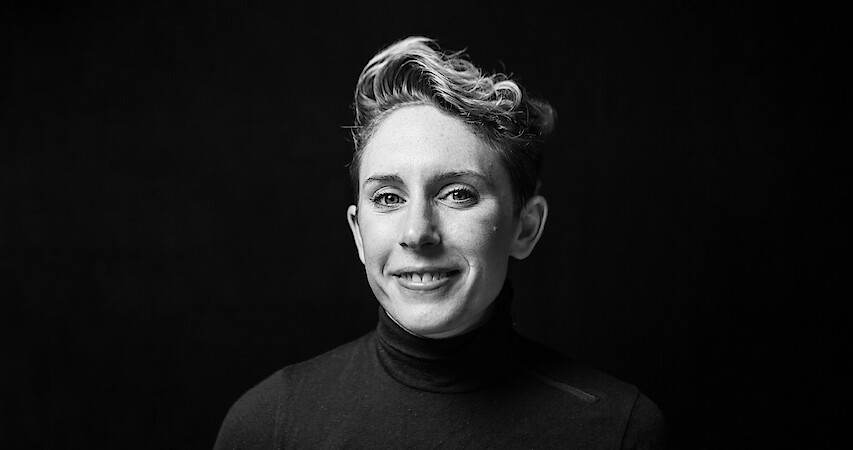
No, none of these films use voiceover to state outright what their protagonists are thinking. Instead, their auteurs — Rebecca Hall, Jane Campion and Maggie Gyllenhaal, respectively — ask us to pay close attention to small gestures, subtle body language and symbols. The tension in each film hinges on how their characters navigate the socially onerous aspects of their identities — be it their sexuality, race or status as a mother — but the viewer is tasked with doing the work of interpretation.
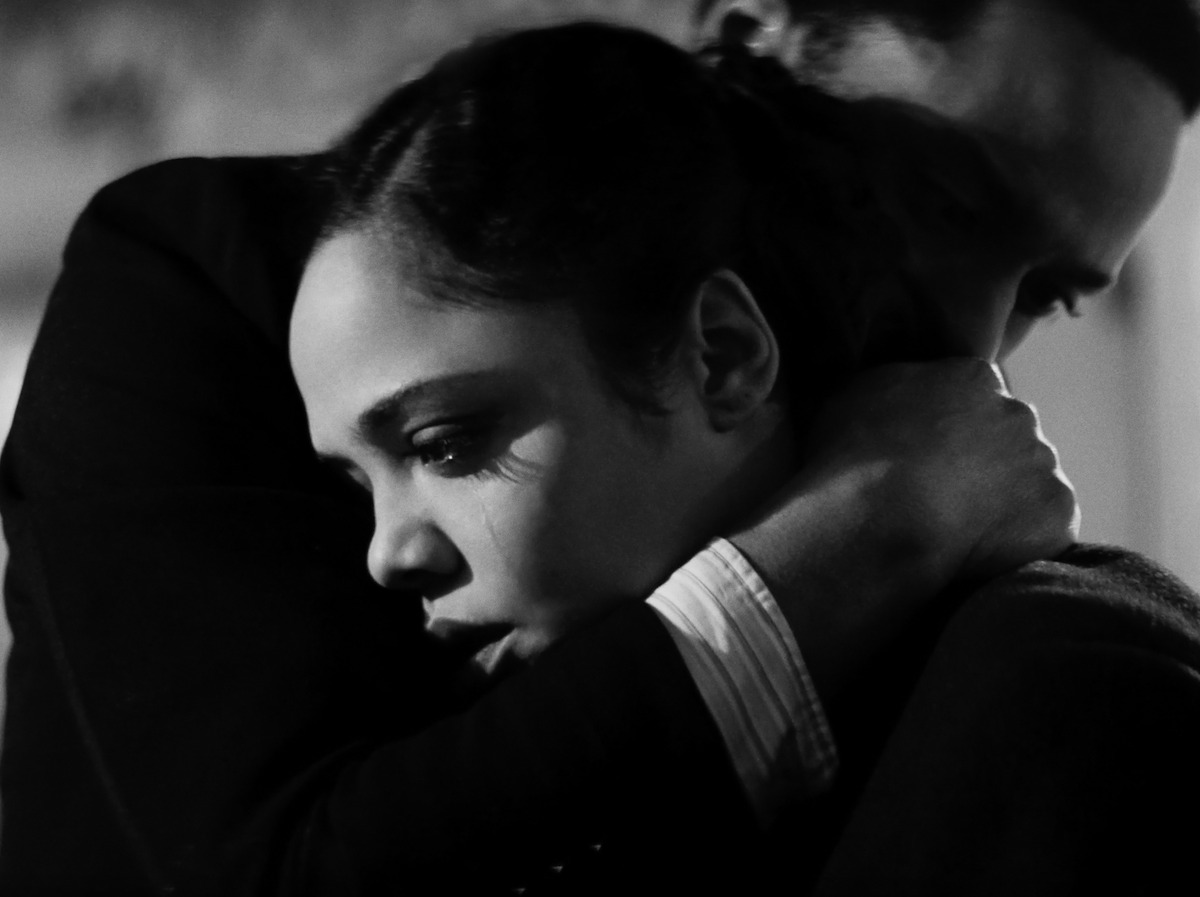
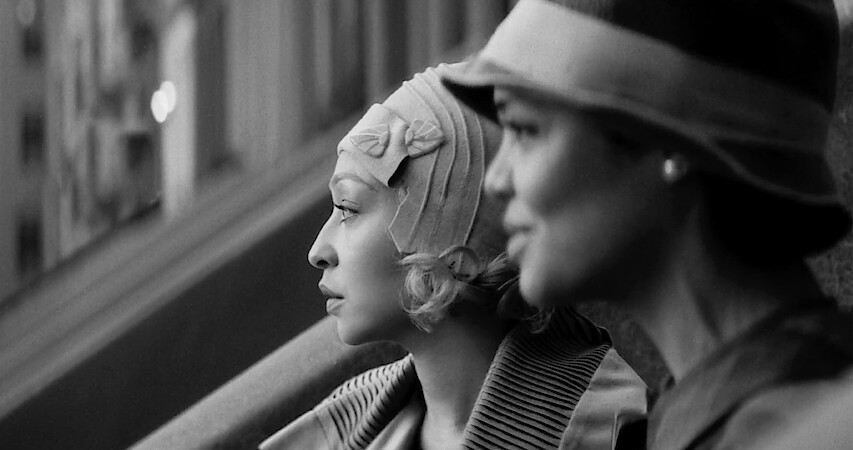
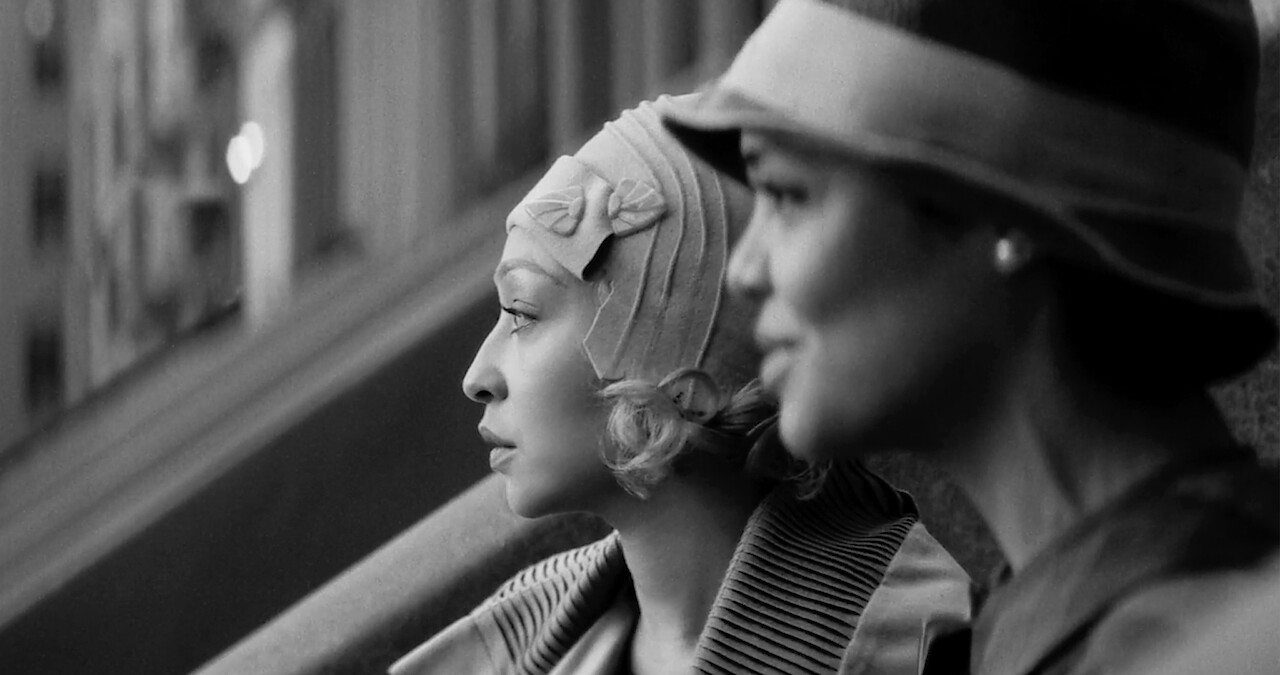
Hall’s Passing takes an especially ambiguous approach: As we see Irene (Tessa Thompson) reunited with Clare (Ruth Negga), an old friend who has built a life passing as a white woman, we’re meant to project meaning onto each extended touch, covert glance and faulty POV shot. It’s clear that Clare’s presence has stirred something in Irene; as her old friend re-enters her life, her discomfort grows — she drops a teapot and perceives the ceilings cracking — and metastasizes into what appears to be a mental breakdown. But we’re left speculating as to why Clare’s presence has so shaken Irene. “There is nothing entirely said because it’s not really available to these characters,” Hall told NPR’s Here & Now. And so, Passing can be, at turns, a story of suppressed same-sex love, mutual envy and the fallout from cultural dislocation.
As a viewer, the uncertainty only heightens the anxiety. Hall was conscious of never telling the audience what to think, because, “I think the more you engage and bring your own narratives, your sense of your own identity to this story, the more you get out of it,” she said in the same interview. “Ultimately, I think the story’s about the struggle any of us have about the person we think we ought to be and the person we actually want to be.”
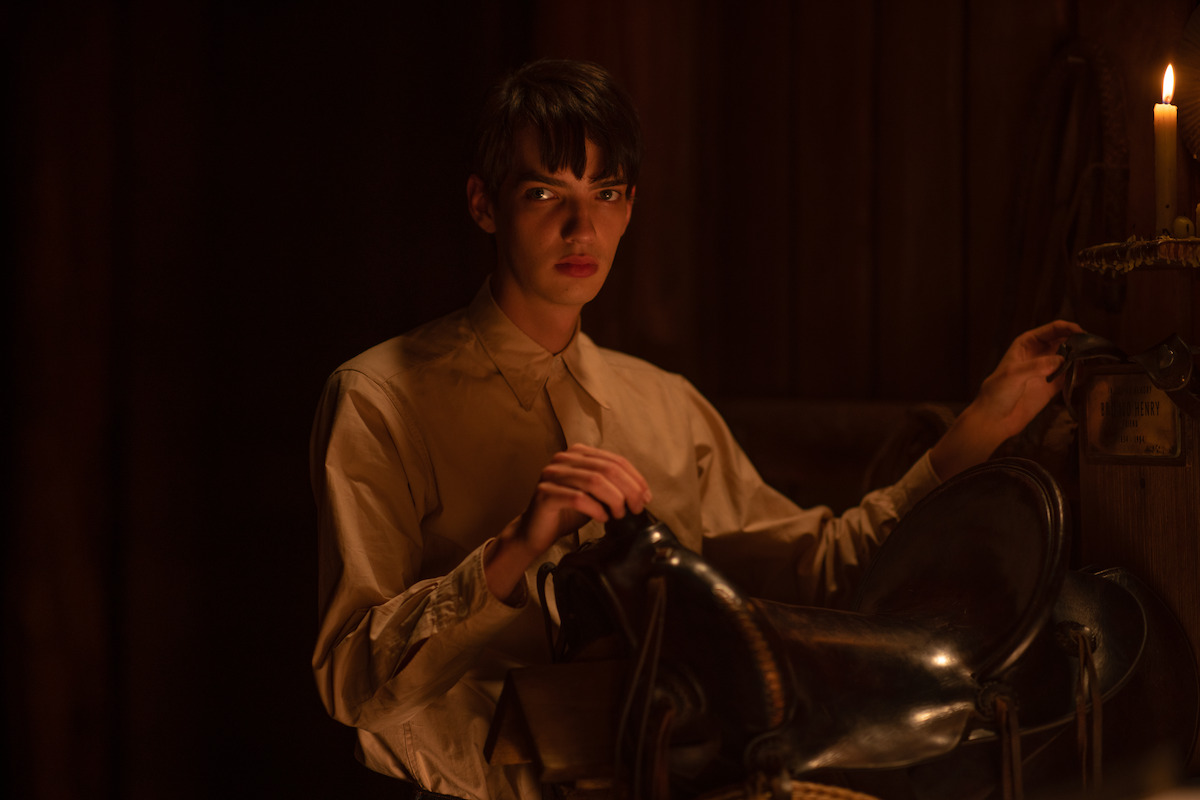
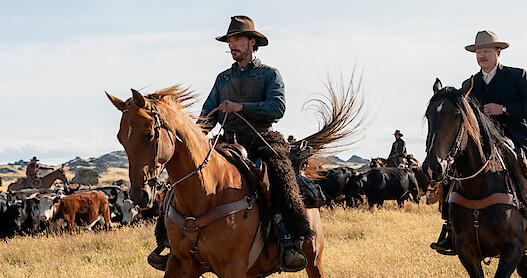
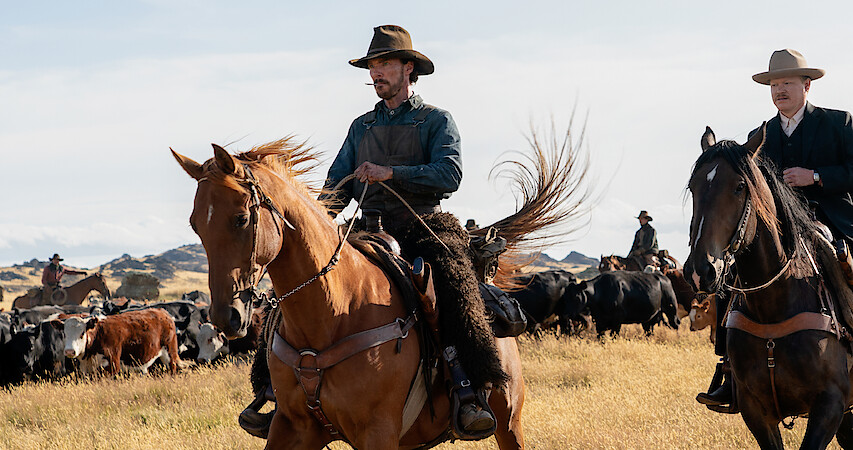
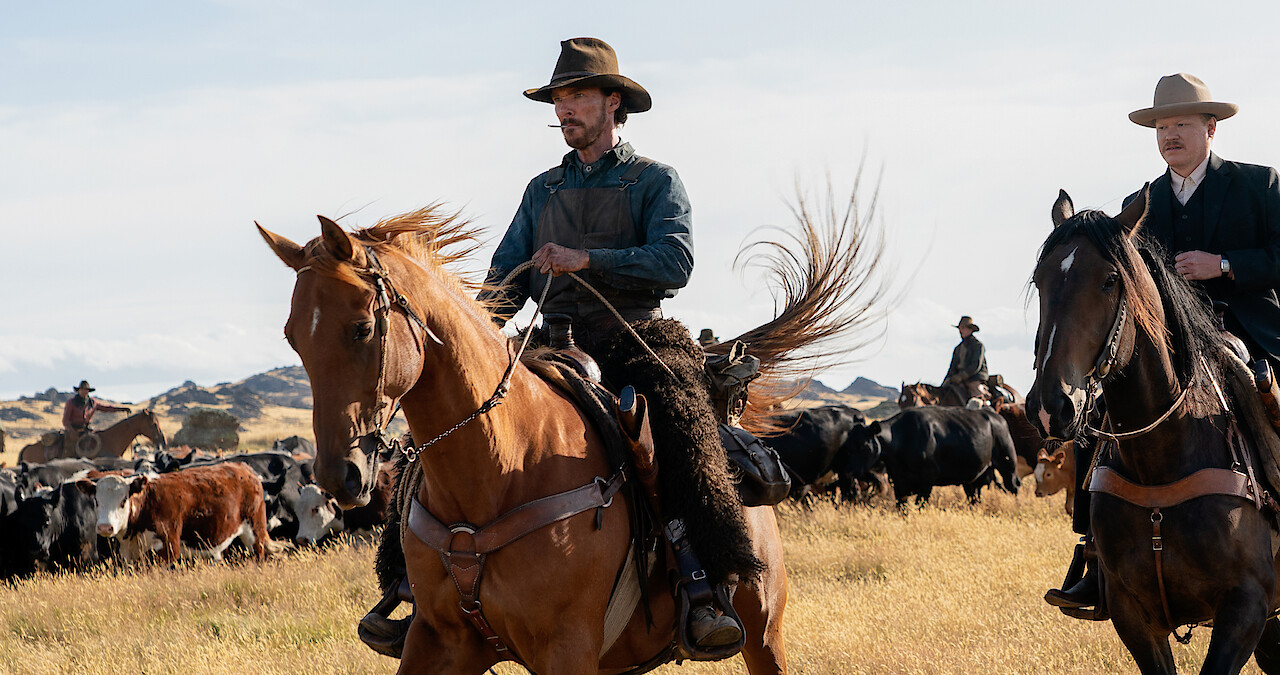
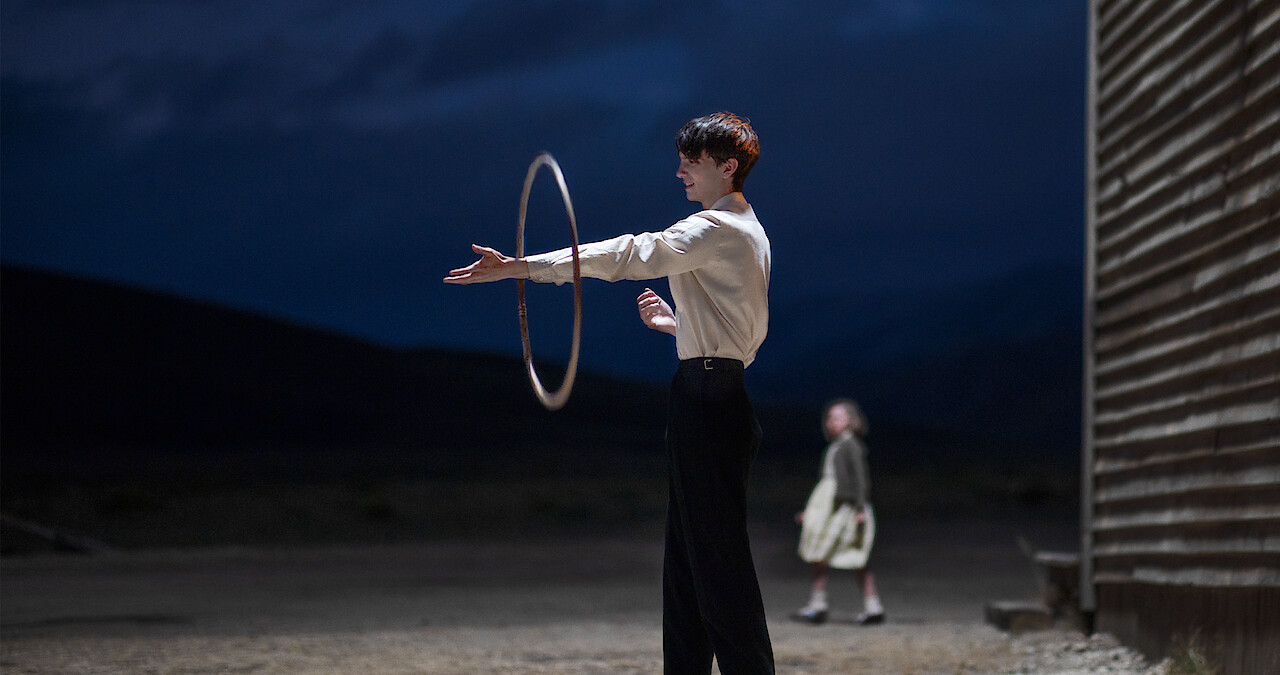
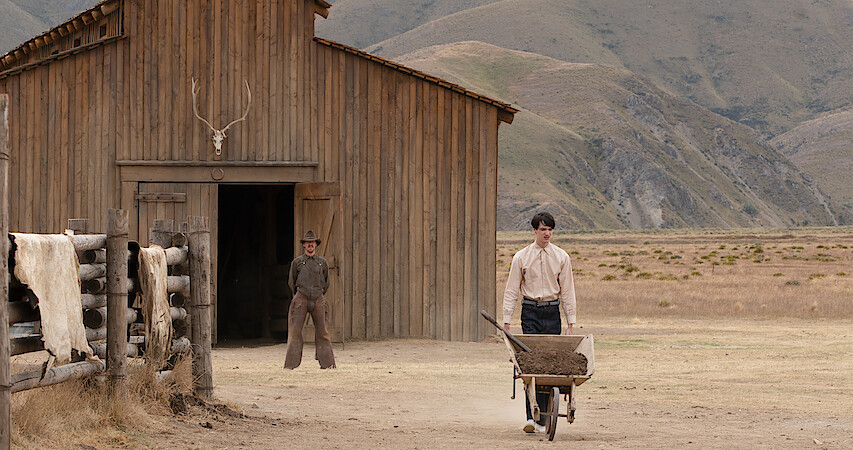
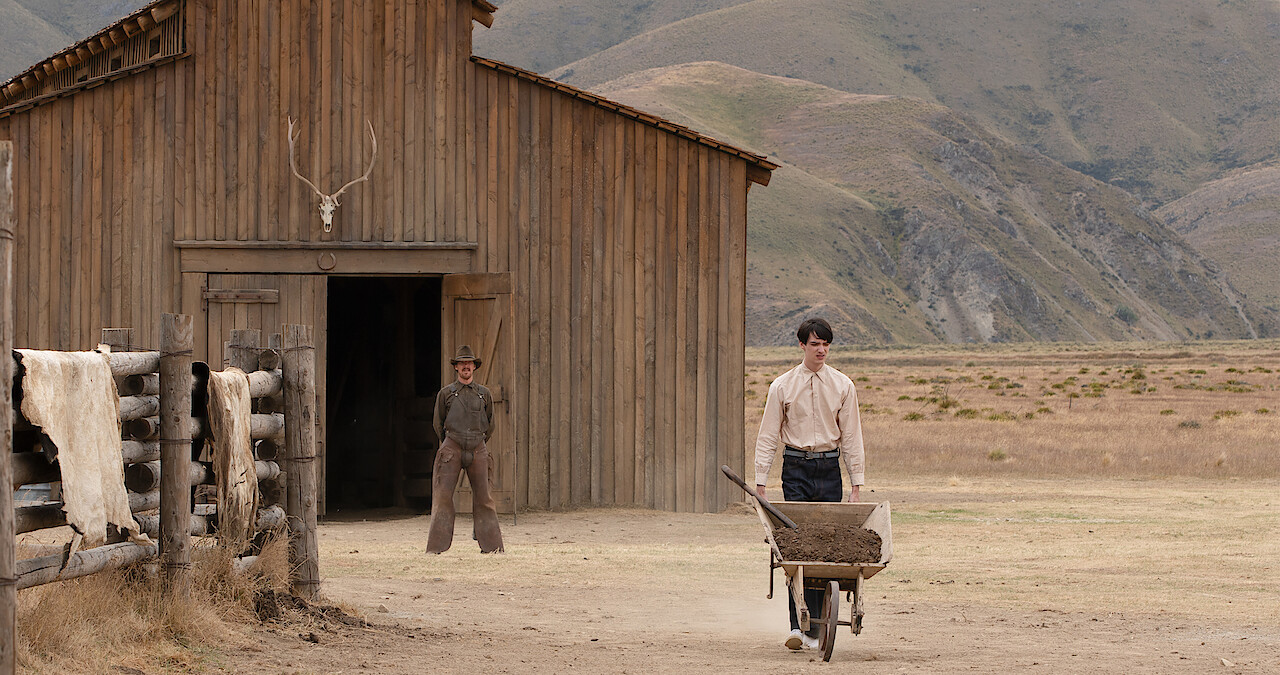
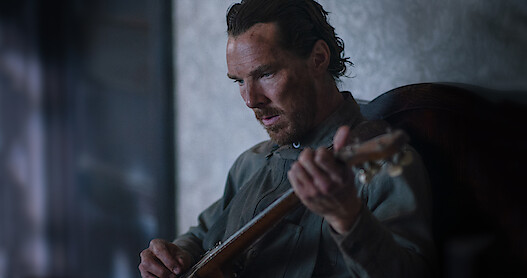
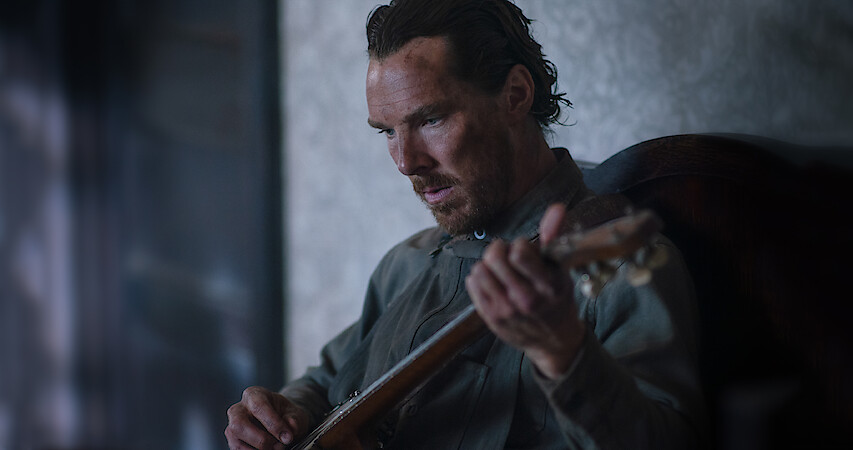
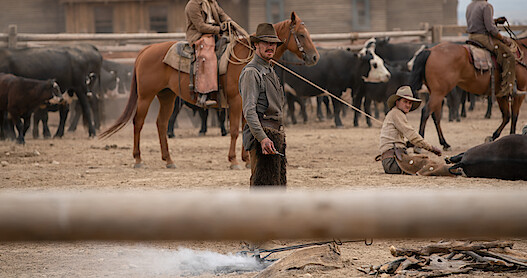
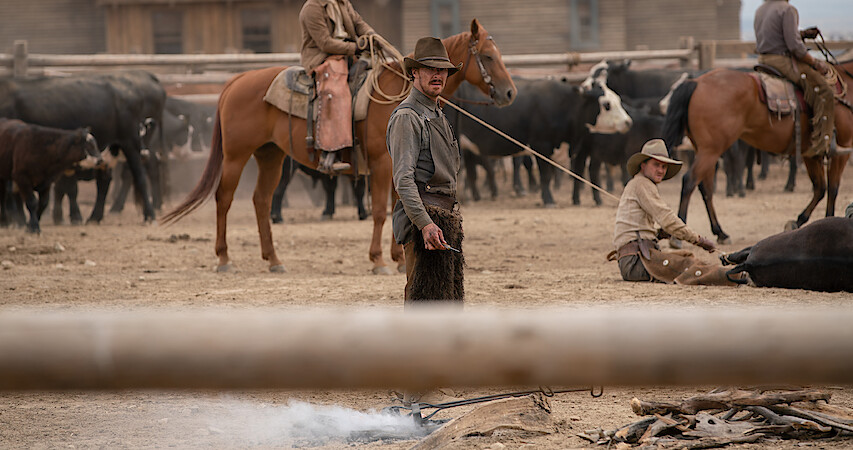
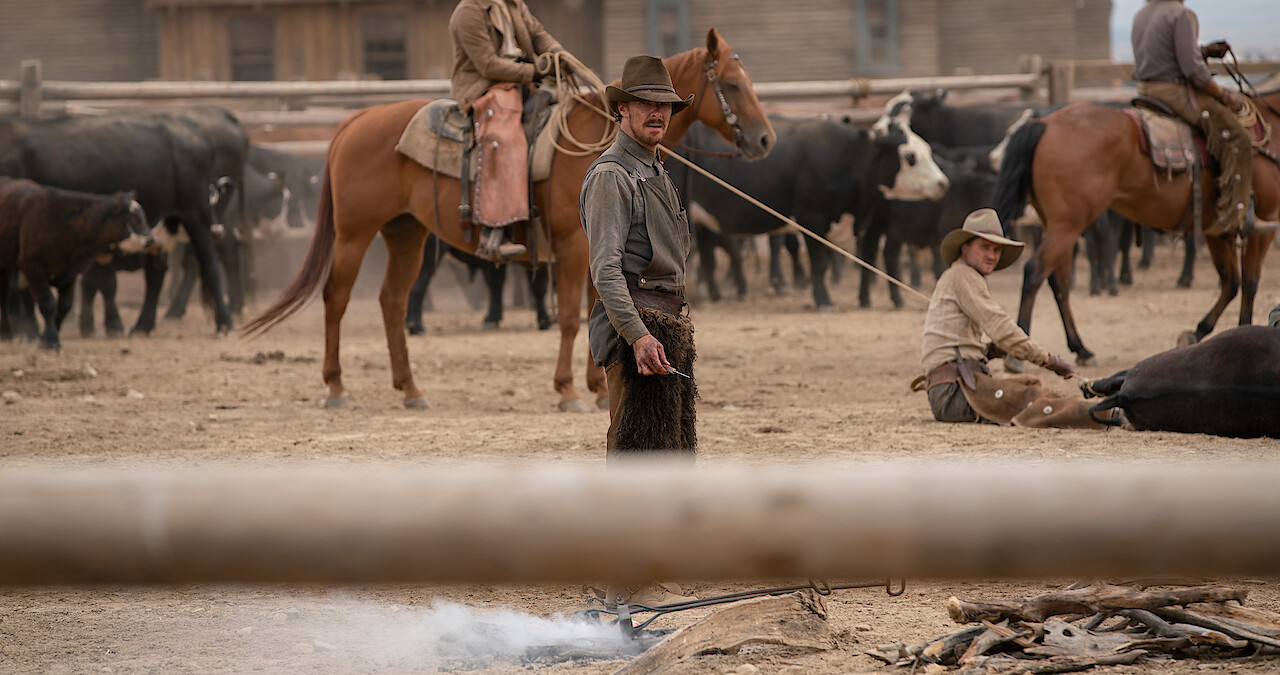
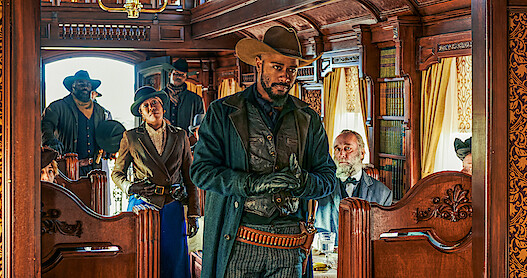
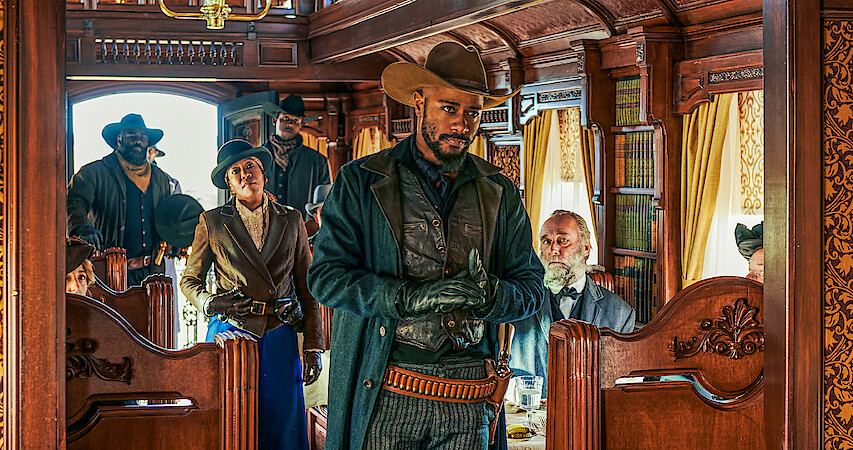
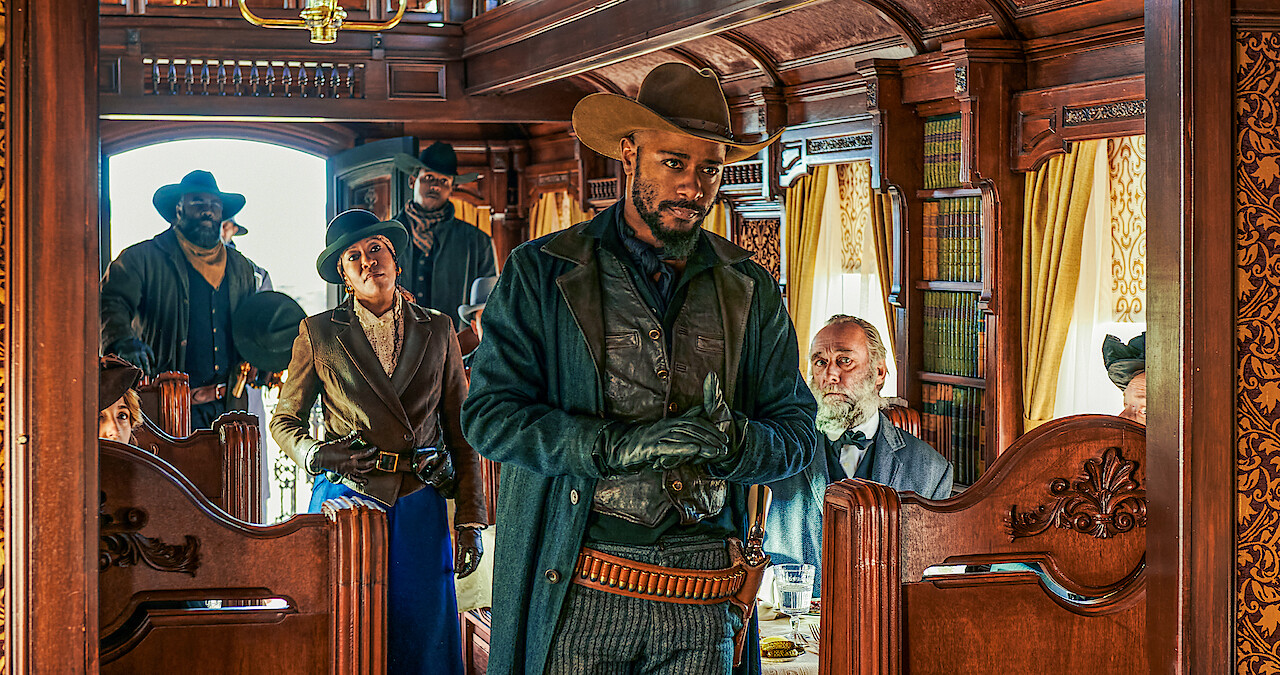
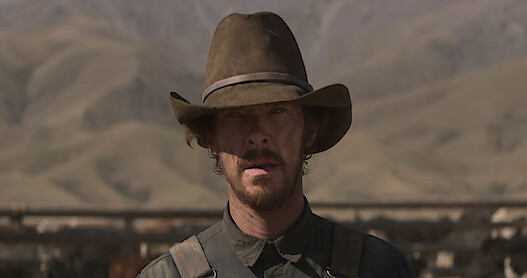
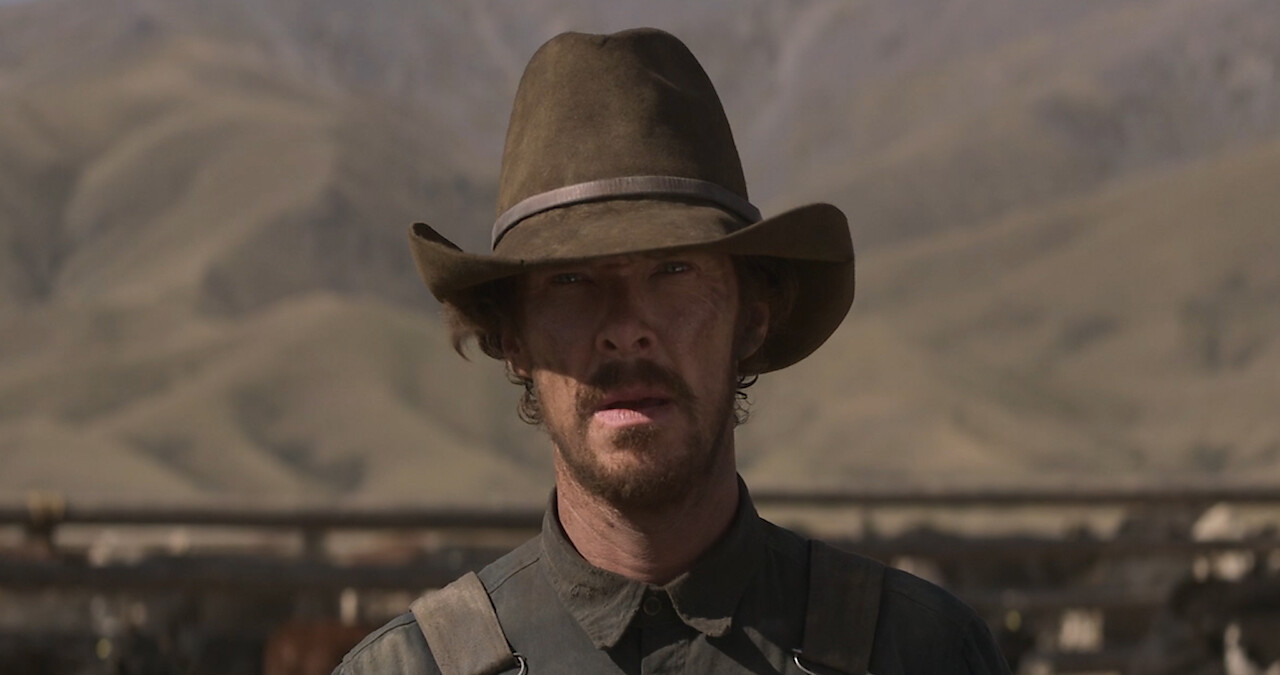
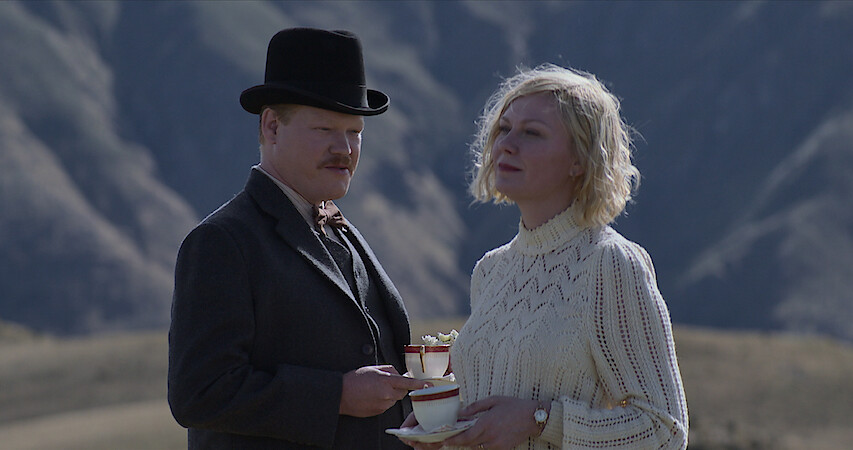
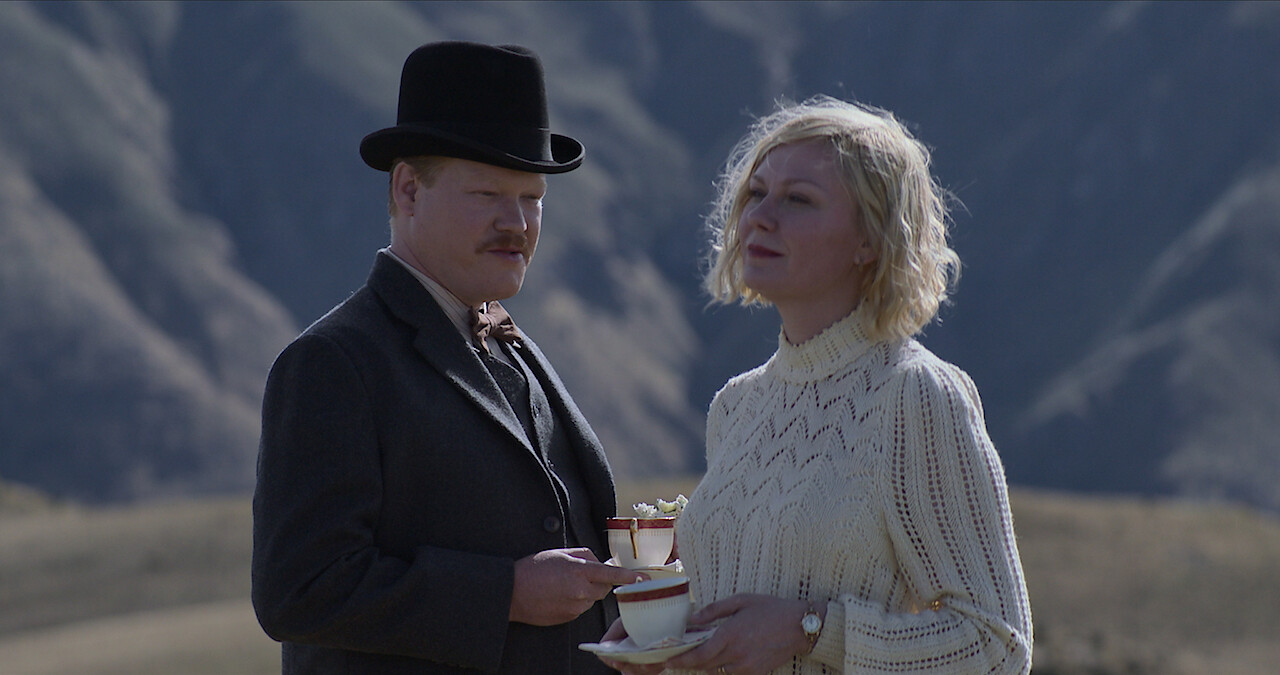
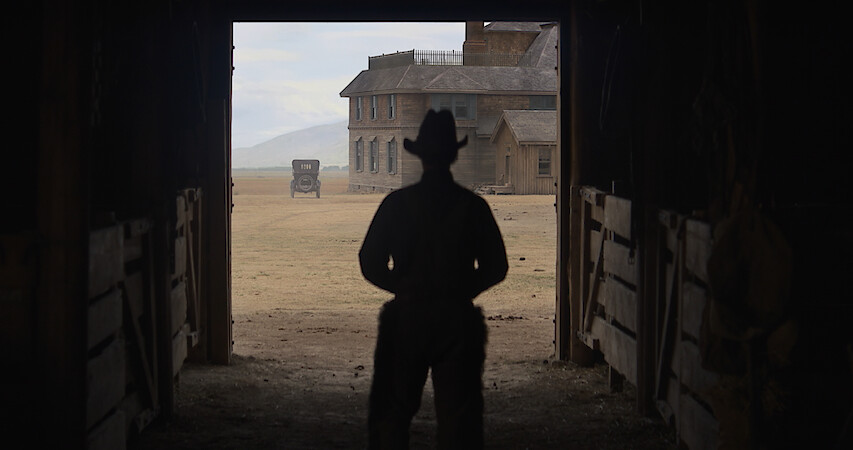
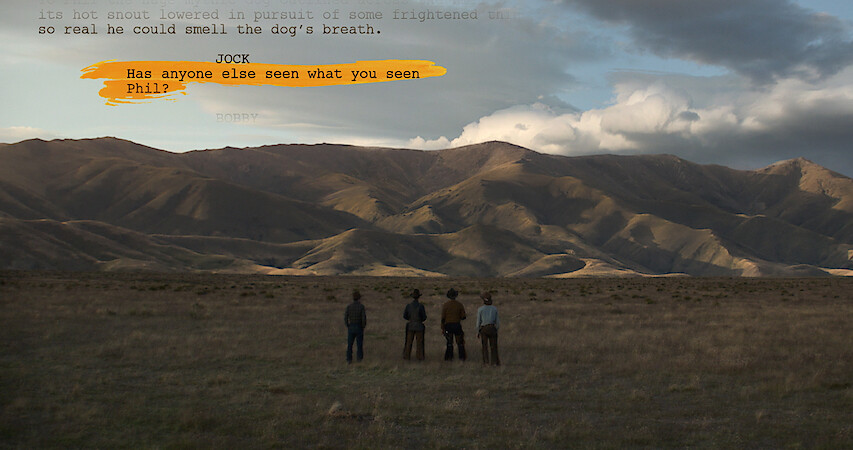
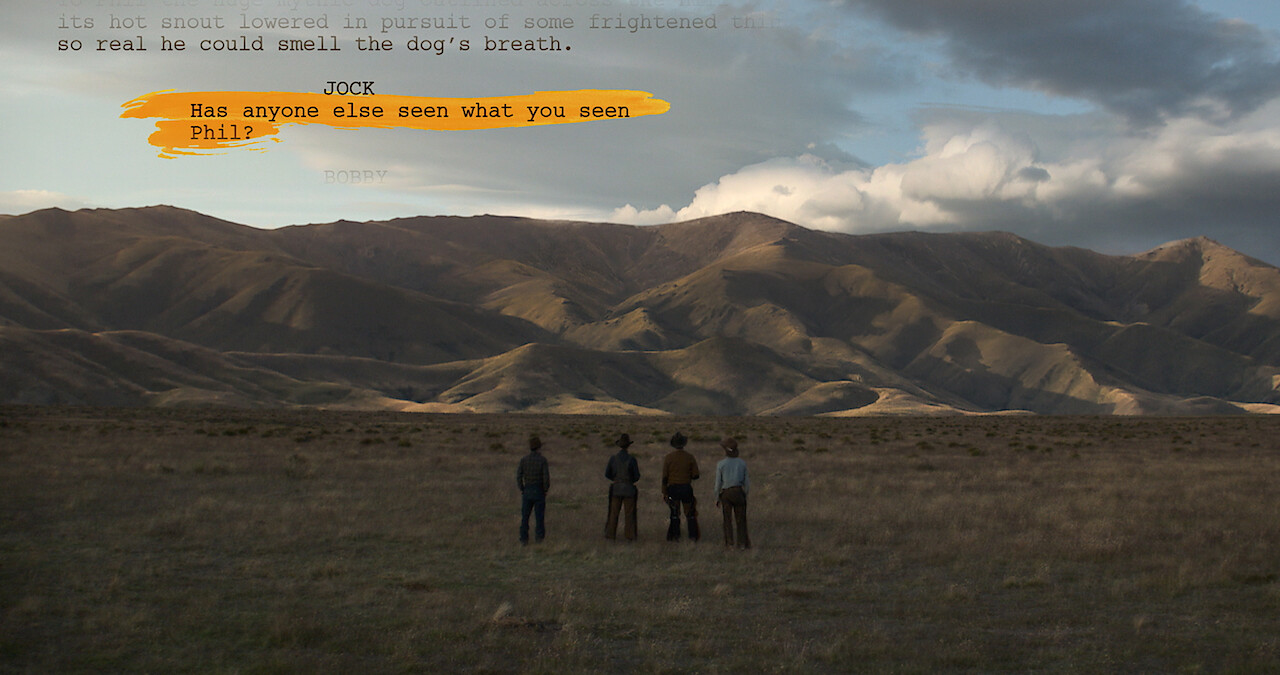
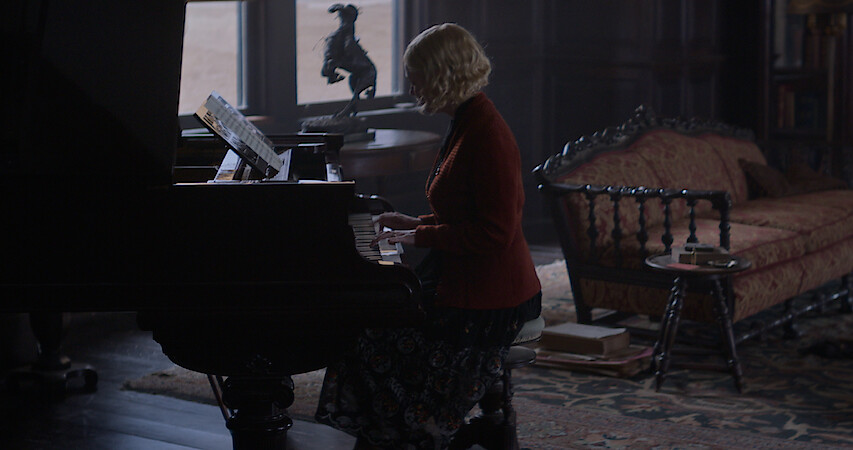
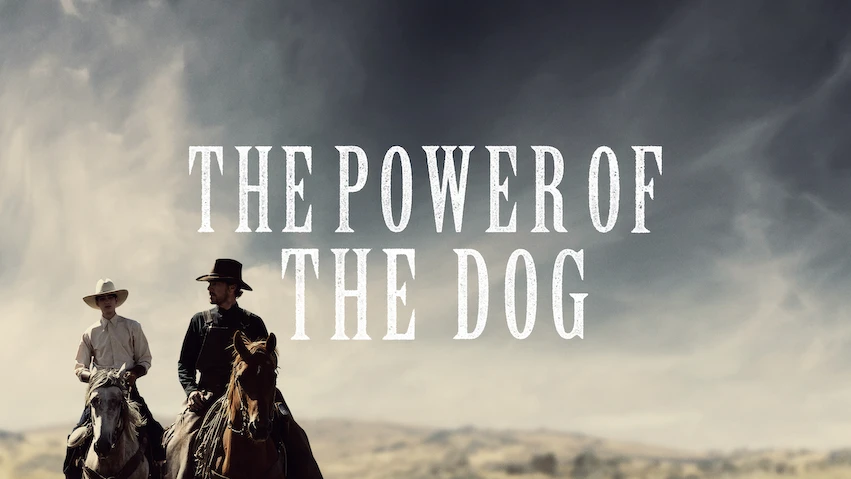
That same lonely battle, between what society expects from us and what we desire from life, animates The Power of the Dog and The Lost Daughter. If the fuel of most films is a character’s want, these films are propelled by a character’s fight against what they want. Or, what they merely feel. For The Power of the Dog’s Peter Gordon (Kodi Smit-McPhee), a clear desire isn’t even able to bloom before the alpha cowboy, Phil Burbank (Benedict Cumberbatch), arrives in his life, and cuts it at the stem. Phil, who we eventually learn is closeted, mocks Peter for his effeminate lisp and for the delicate paper flowers he makes. His public bullying teaches Peter to withhold and withdraw, to stifle his sensitivity, to be surgical and cunning in his response.
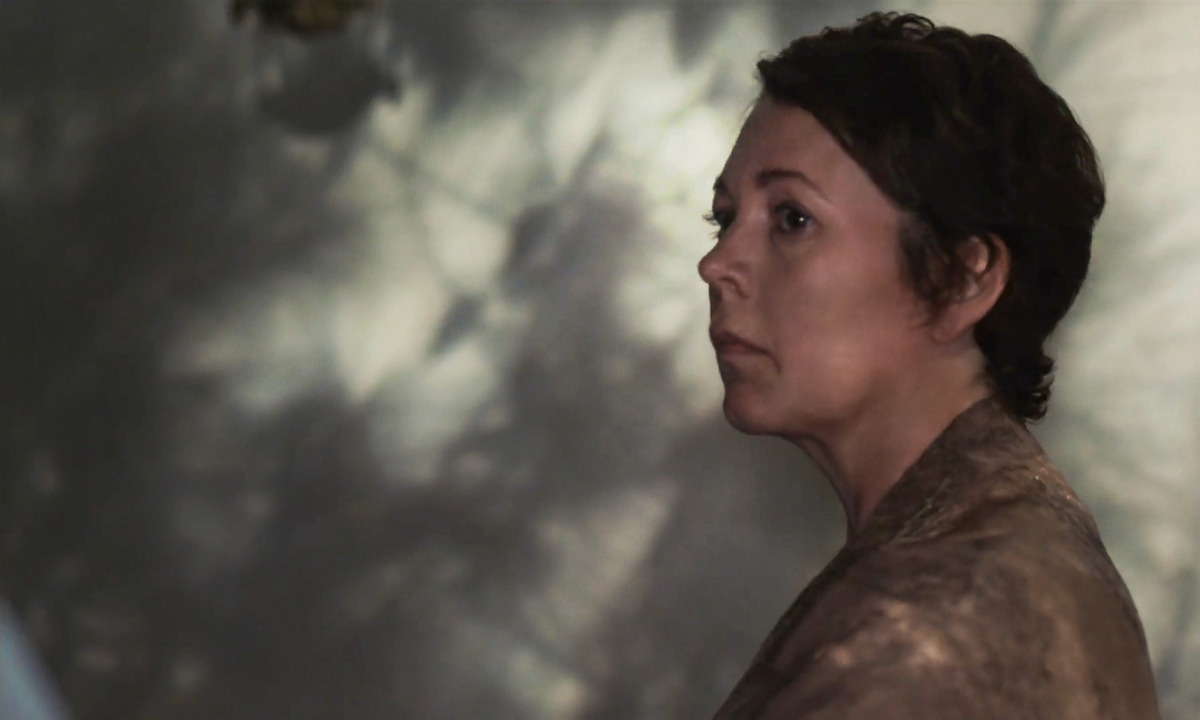
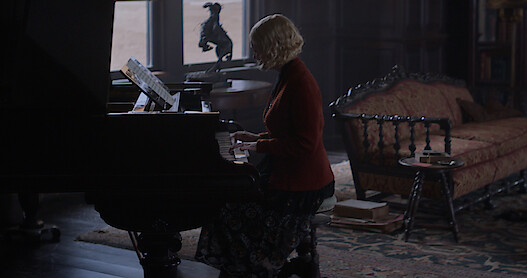
Leda, the accomplished university professor at the center of The Lost Daughter, wages her own inner battle in the past tense. When she takes a trip to a beach resort in Greece, a confrontation with a big, boisterous family awakens painful memories about mothering, and temporarily abandoning, her two daughters. Through a series of flashbacks, we see her recollections: of impatience with her children and of the ways they impeded her work, autonomy and romantic life. And through her gaze and interactions with the big vacationing family, we see her contend with conflicted feelings — regret, yes, but also, perhaps, inevitability, an understanding that she could never be the things society expects of women.
The effect of these films’ ambiguous approach is that they require a profound empathy on the part of the viewer. Not just to feel for their characters but to do the work of parsing their complex inner feelings. Hall, Campion and Gyllenhaal portray their characters’ sense of confusion, angst and alienation in a way that’s felt palpably, without being stated plainly. And they suggest that these sorts of internal battles around our identities are not abnormal; that, as alone as these characters feel, they’re not.
That public expression of private shame is what drew Gyllenhaal — like Hall, a first-time feature filmmaker — to adapting Elena Ferrante’s book in the first place: The author’s radical honesty about women’s internal lives was elsewhere unavailable. “I had never heard some of these truthful things articulated before,” she told Collider. “Things about, in particular, being a woman in the world. A mother, yes. But also, a lover, a thinker, an artist. And I didn’t even know how much I needed to hear them.”
Tellingly, the consequences of bottling up socially constructed shame is dire in each of these films. In each case, the pressure builds and eventually explodes in an act of violence. Though, explode is surely the wrong word. The climactic act, especially in Passing and The Power of the Dog, is subdued, even easy to miss. If in the traditional thriller the viewer gets some satisfaction from violent release, these films seem hellbent on upending that convention; in rendering it unsatisfying. Hall, Campion and Gyllenhaal shift the emphasis from the product of their characters’ instability to its causes. And the experience, in its totality, is distinctly rewarding.