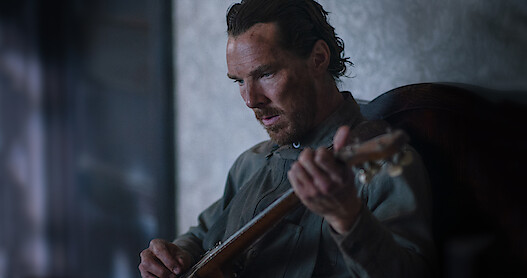
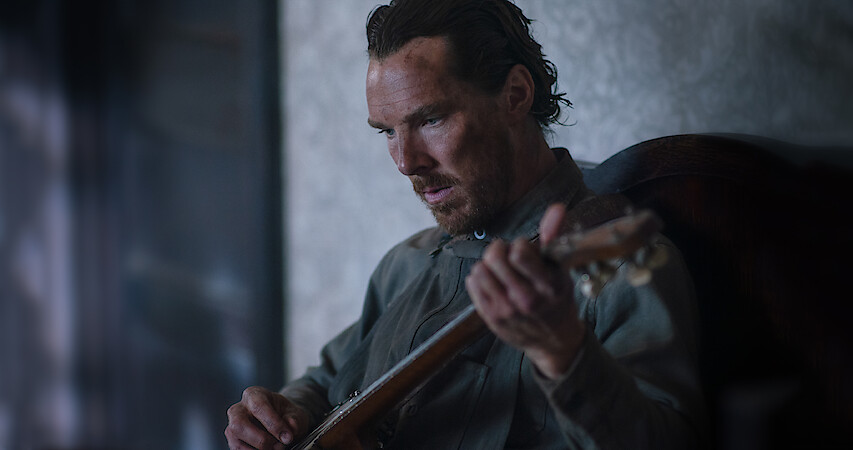
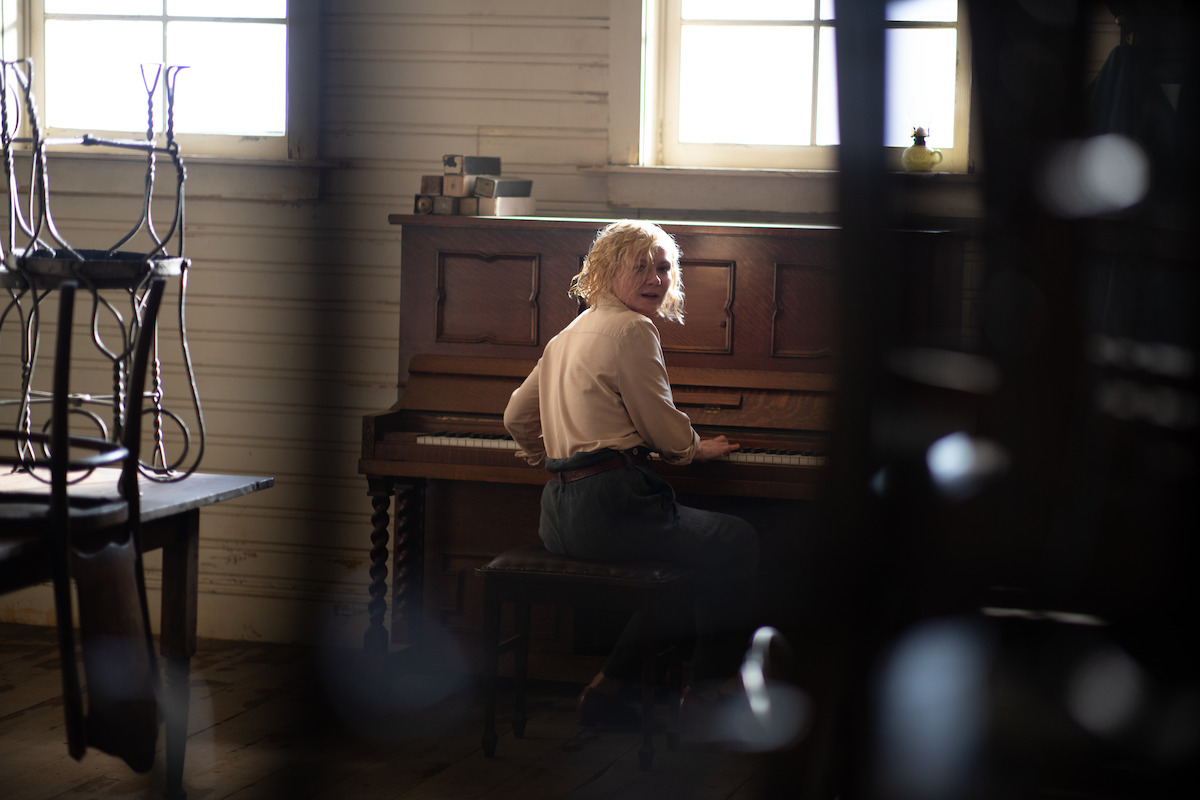
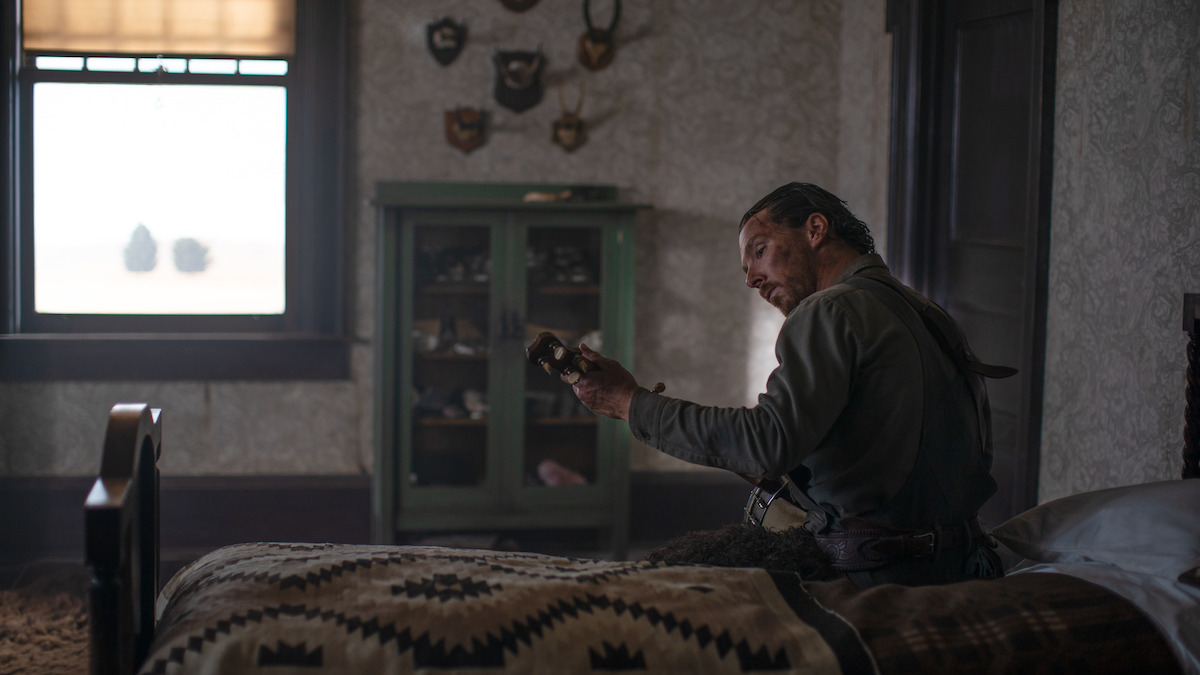
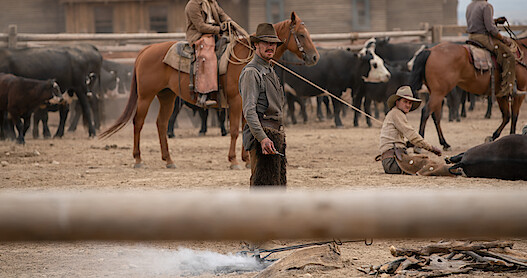
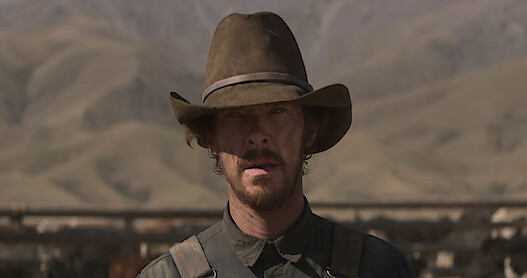
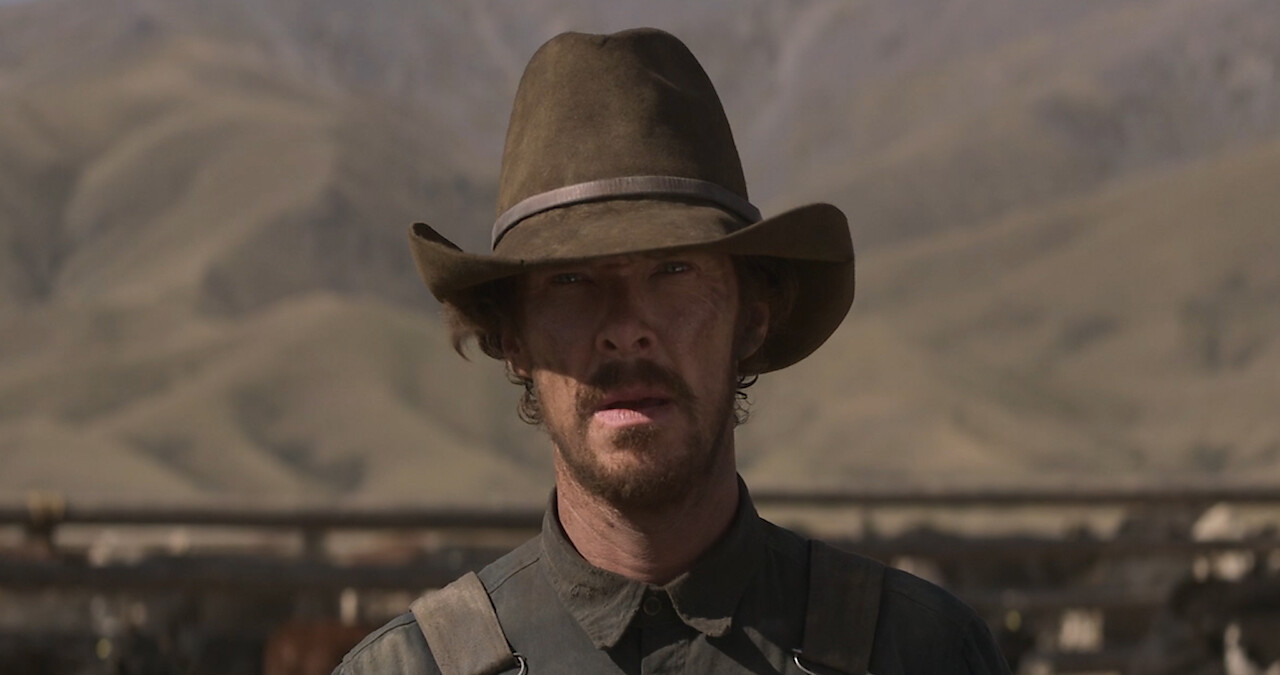
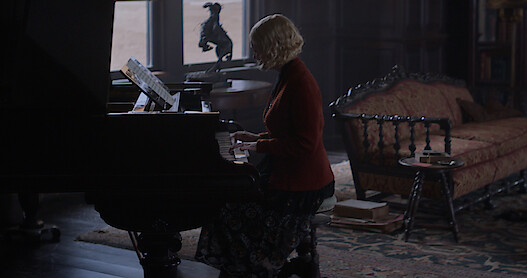
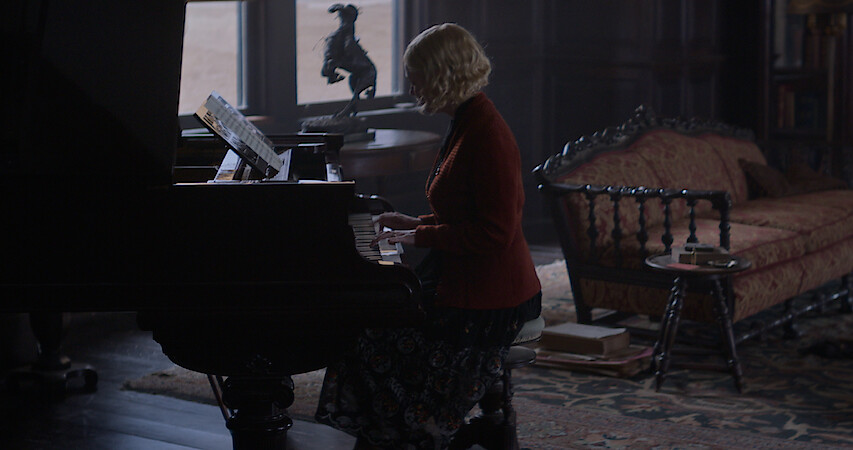
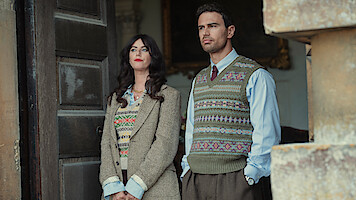
One of the most arresting scenes in The Power of the Dog is what director Jane Campion called its “ugly duet.” It’s the moment Benedict Cumberbatch’s Phil Burbank asserts his full dominance over his new sister-in-law, Rose (Kirsten Dunst). As she sits down at her new piano to practice a tune, he stomps upstairs and begins to play the same melody on his banjo, in time with her. As she notices him and stumbles across the keys, he continues to play, essentially mocking her without saying a single word.
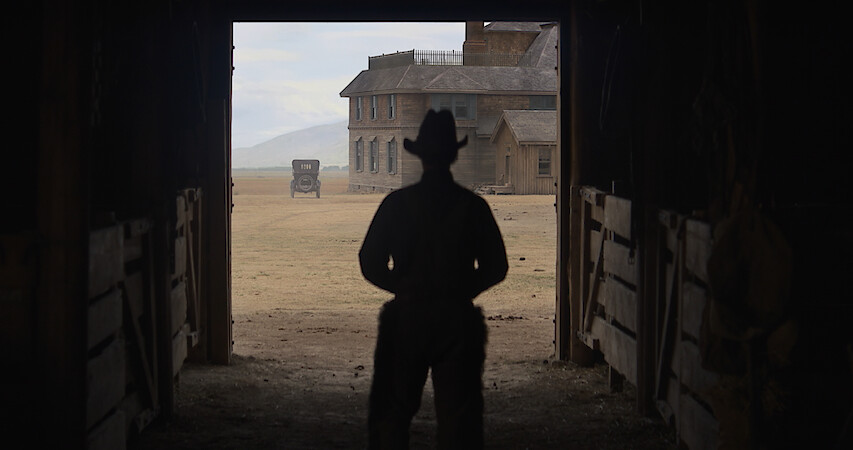
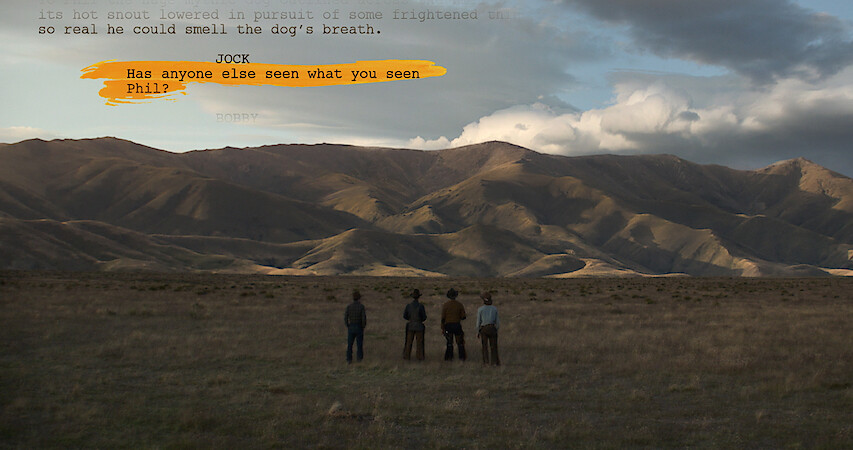
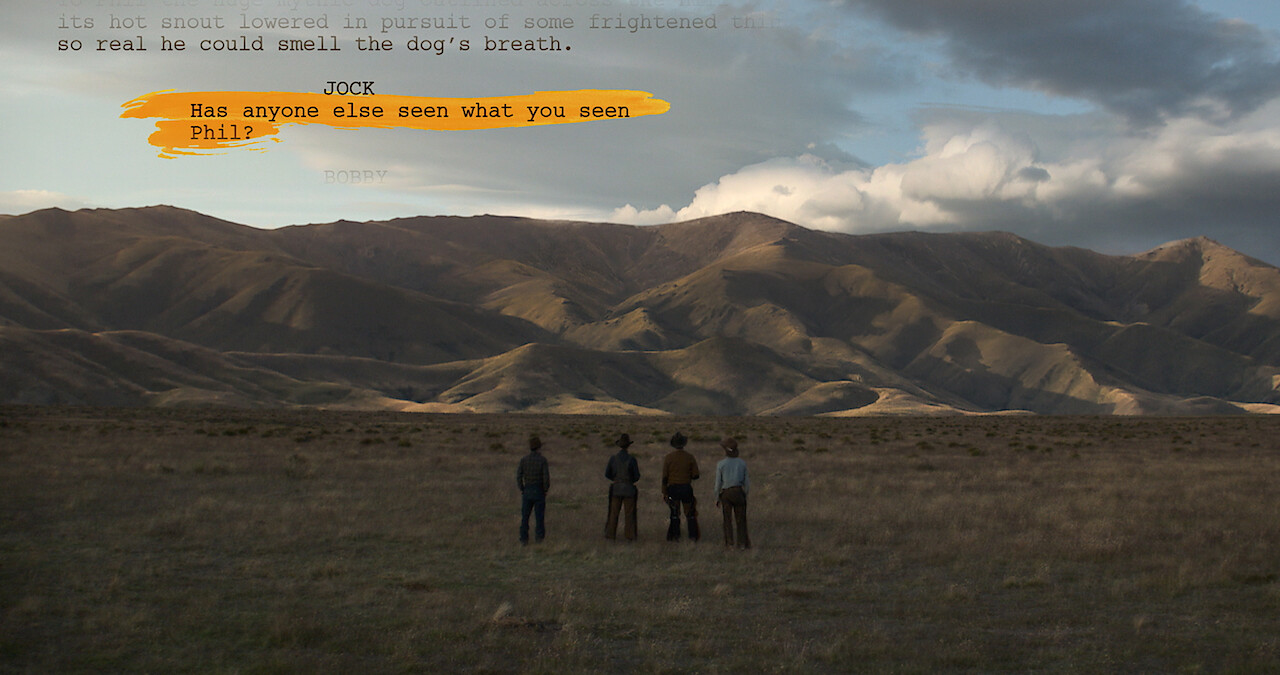
The film’s sound design crew knew they had to get it exactly right. “It’s such a pivotal moment in the film in terms of setting up the relationships, the emotions and the tension,” production sound mixer Richard Flynn told Netflix’s Queue. To begin with, they worked on creating a soundscape for the interior of the Burbank house, which plays such a pivotal role in Phil’s torment of Rose. “Sound’s really good at fear, horror, and tension,” said supervising sound editor Robert Mackenzie. “A lot of what we did was try to enhance isolation from the expanse of the landscape to Rose locking herself in the house to isolate herself from the outside world.”
When it came time to shoot “the piano-banjo duel,” as Mackenzie calls it, both Dunst and Cumberbatch had spent some time preparing. “Kirsten had to learn how to play the piano, and Benedict had to learn how to play the banjo,” Mackenzie said. The sound designers had to carefully combine both recordings, and then recruit a professional banjo player to overdub the proper notes over the on-set recording. “We had David Ward as a banjo player, and he had the picture in front of him and could see Benedict’s hands,” Mackenzie continued. “Not only would he have to overdub in sync where Benedict’s playing on the neck of the banjo, he also had to fill in everything in between for that whole piece and then end in sync with that final strum.”
Picture it as a higher-stakes game of Guitar Hero: Ward had to play the proper melody while matching Cumberbatch’s on-screen plucking. When the banjo was off camera, Ward was briefly free to play more loosely, but then had to return to matching Cumberbatch’s fingers when the camera cut back to him in the final shot of the sequence. It was a difficult task, but one that Ward managed with aplomb. “It was incredible how he ended up in sync nearly every time,” Mackenzie said.
The finished scene is a minor symphony, combining the hard work of the actors and the sound design team to create something neither of them could have achieved on their own. The whole team was happy with it. “In the final mix, it feels like what cinema should really be all about, immersing you in something that you really feel,” Flynn said.