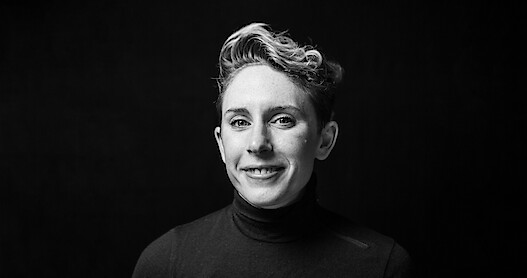
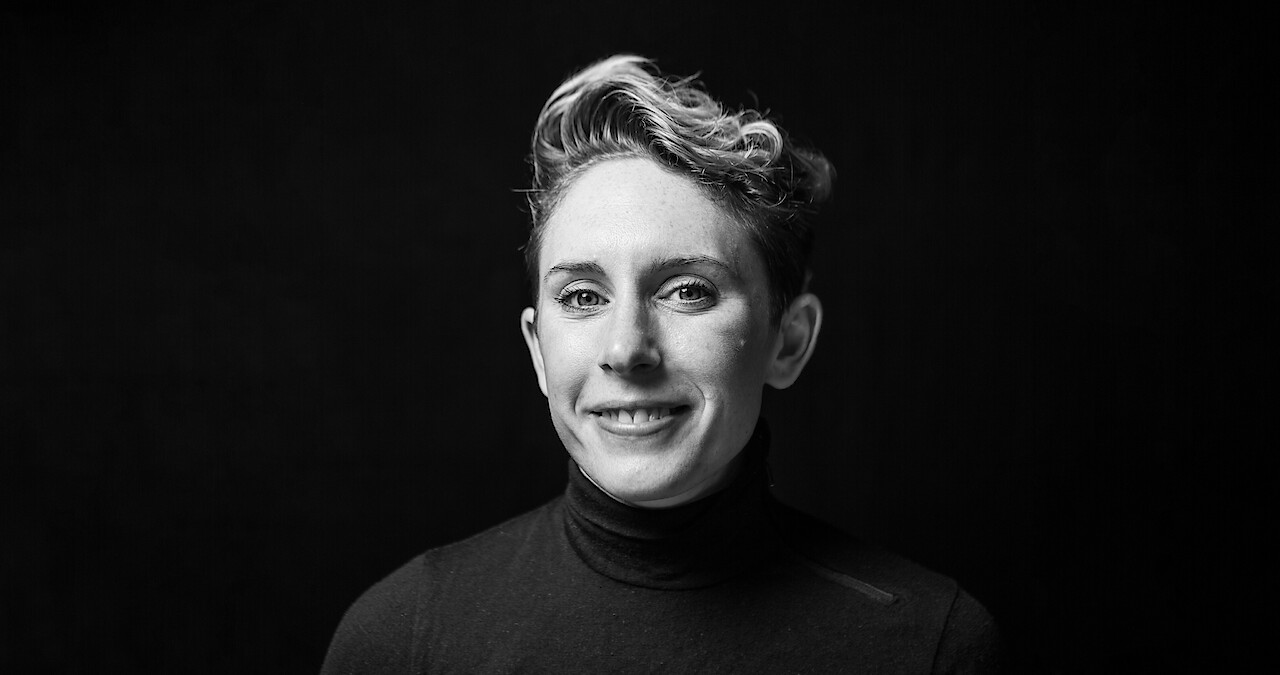
Ari Wegner didn’t grow up watching movies. The Power of the Dog cinematographer jokes that her family didn’t even own a VCR when she was growing up in Australia. “That was my dream, to go to the video store,” she tells Tudum.
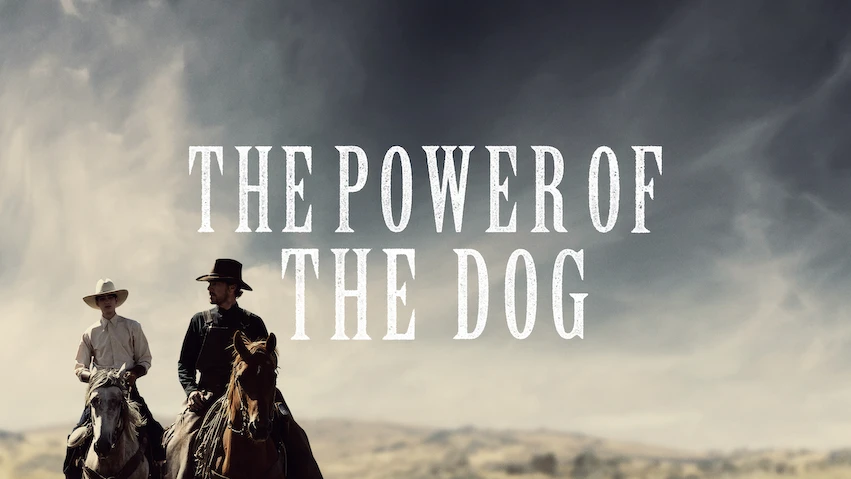
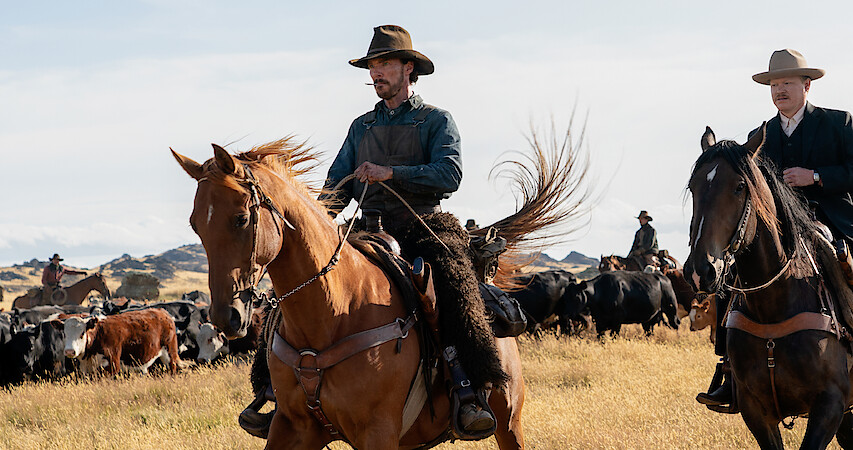
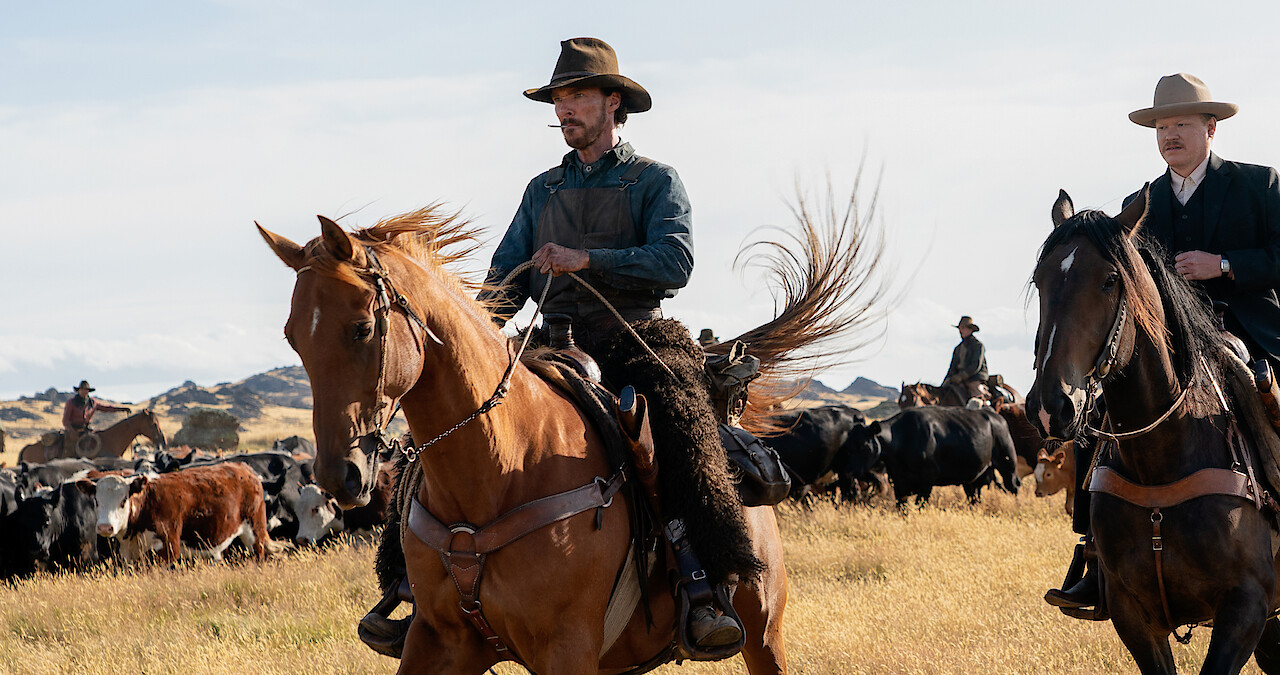
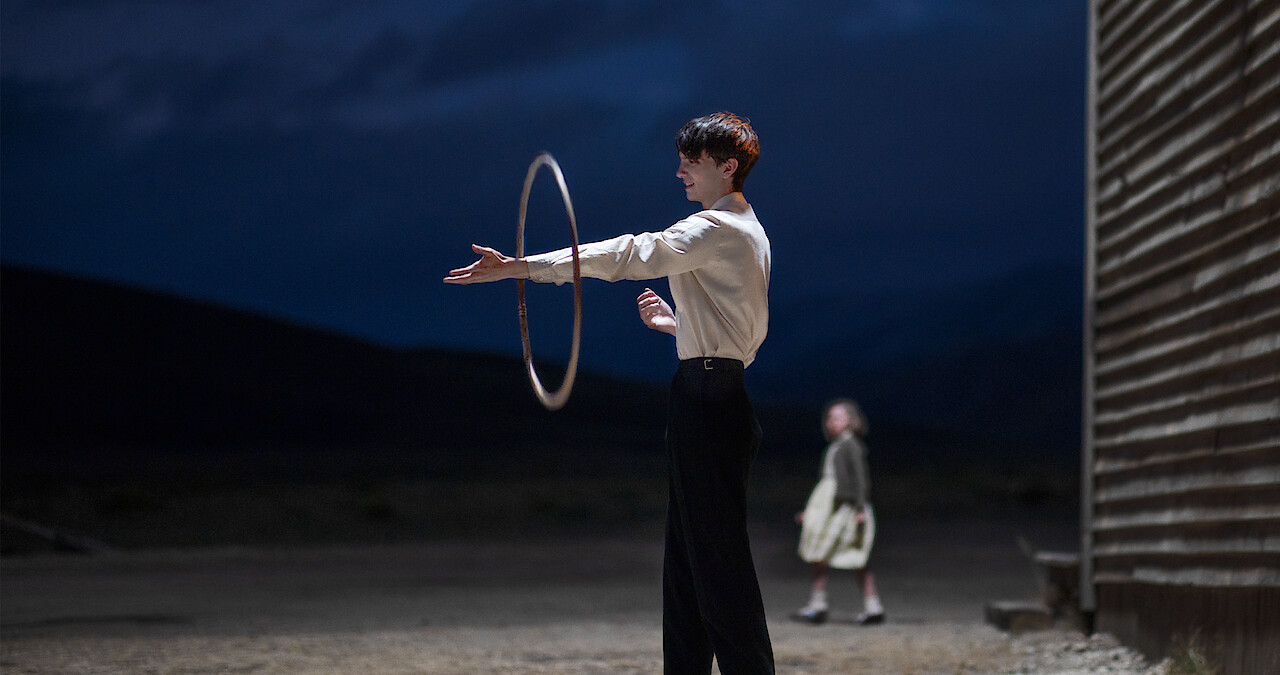
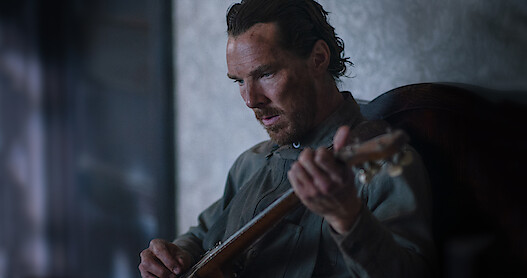
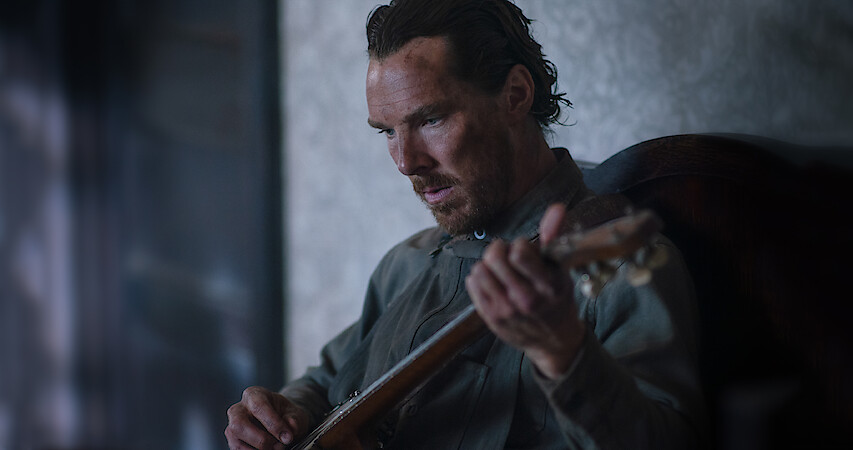
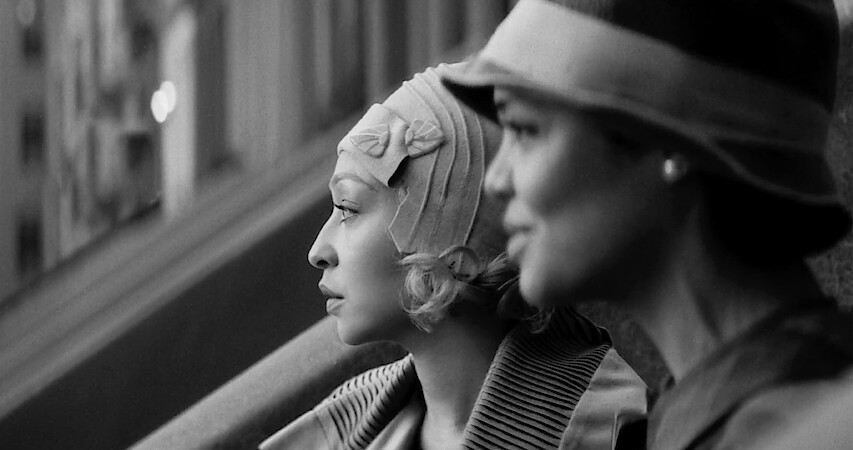
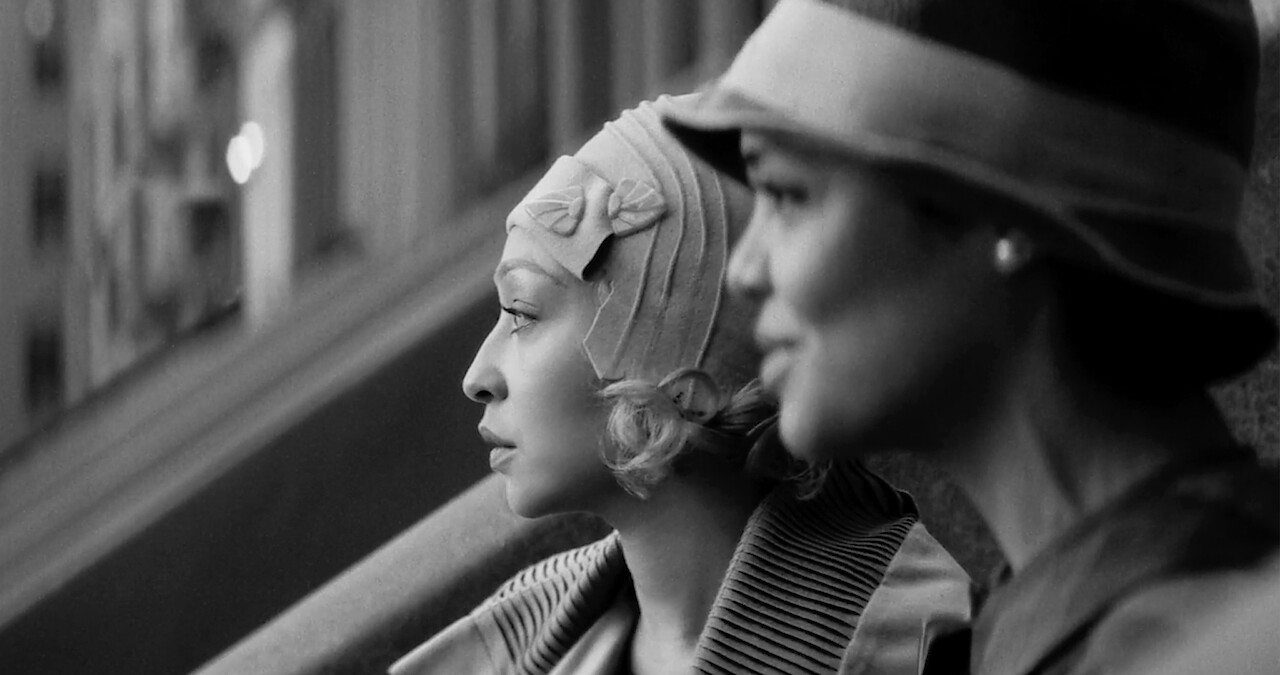
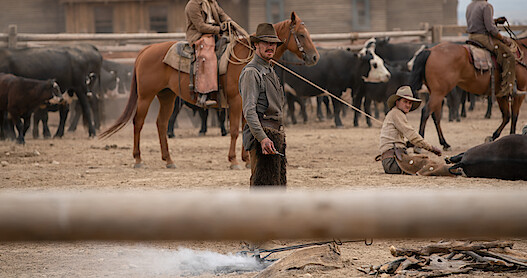
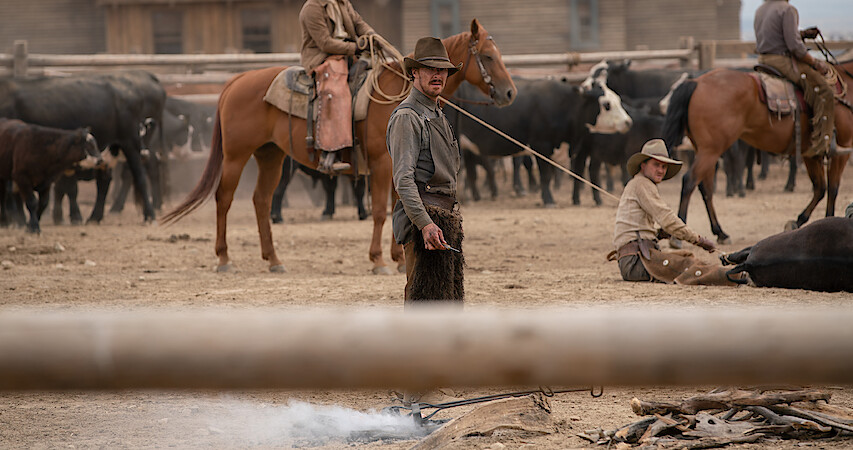
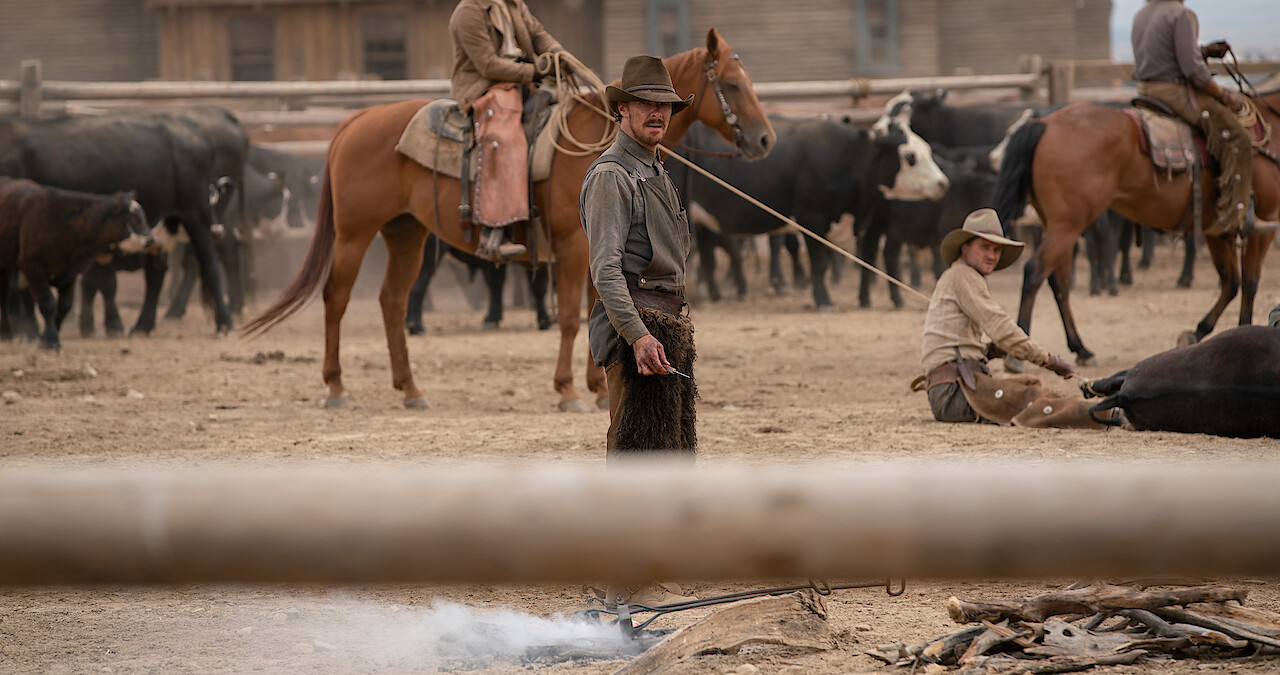
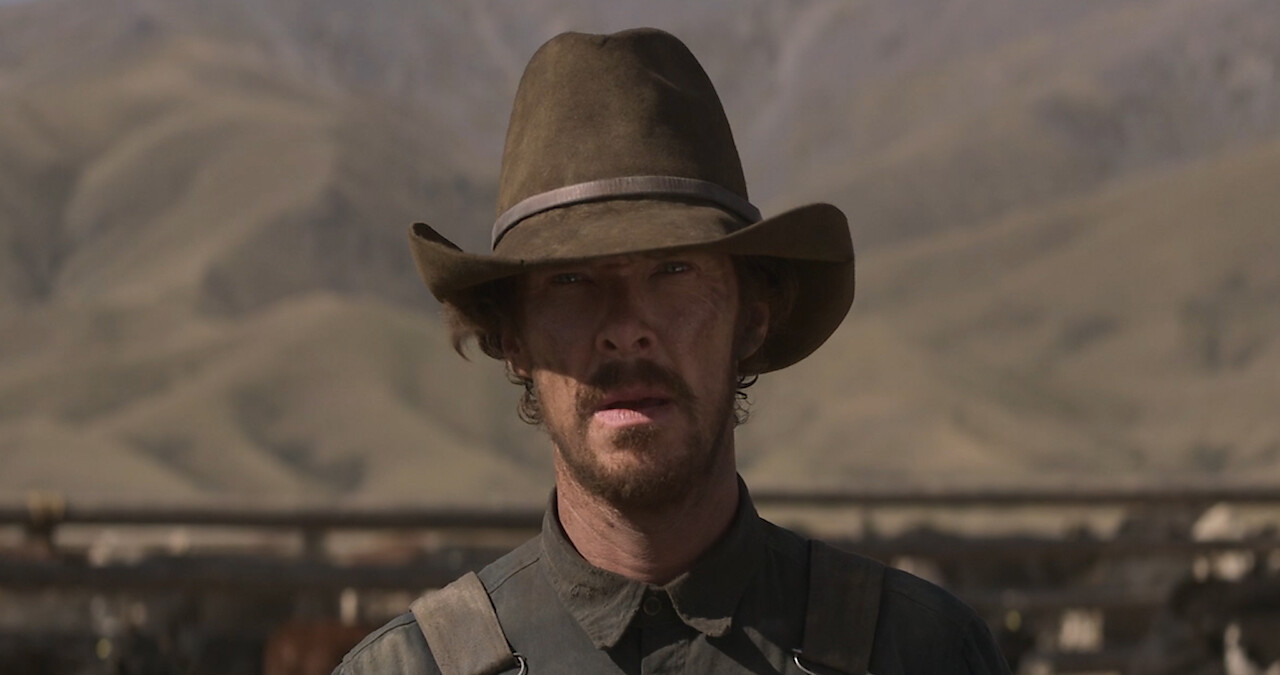
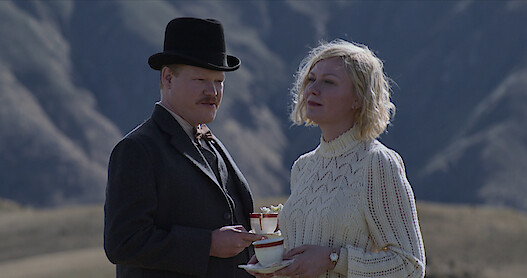
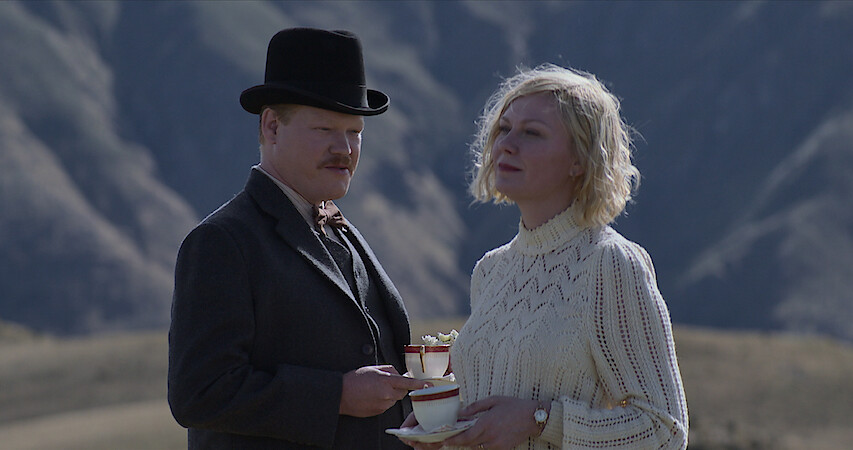
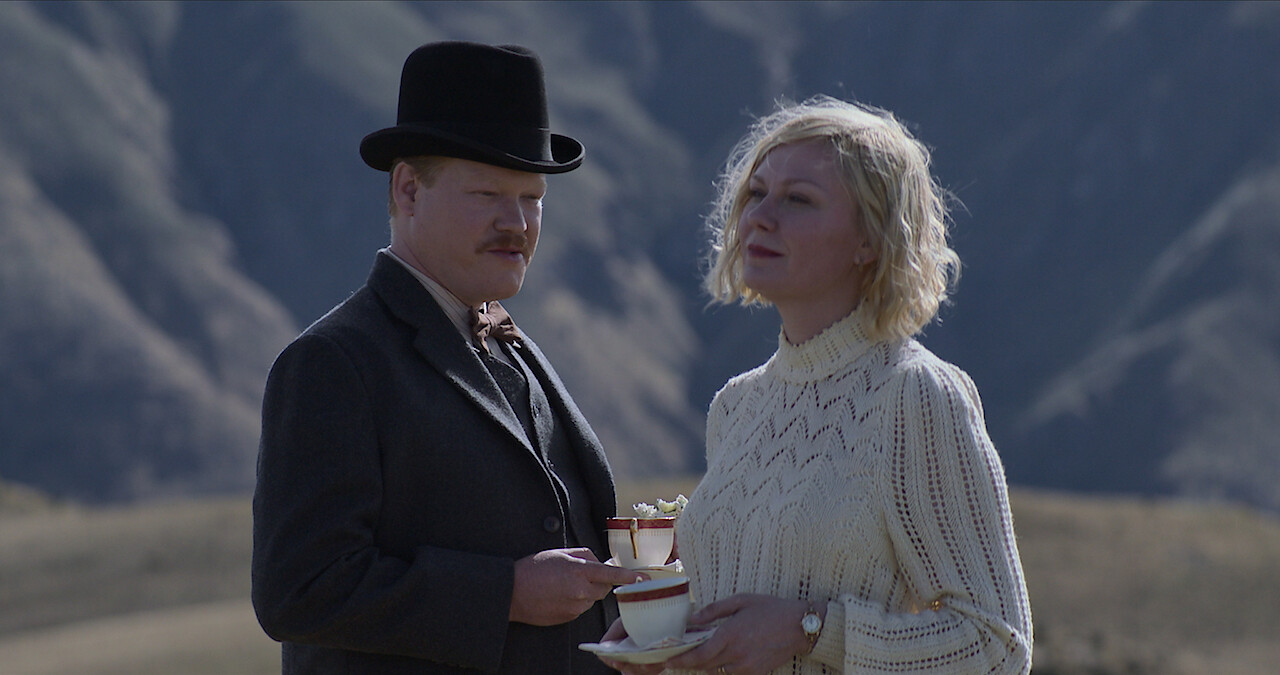
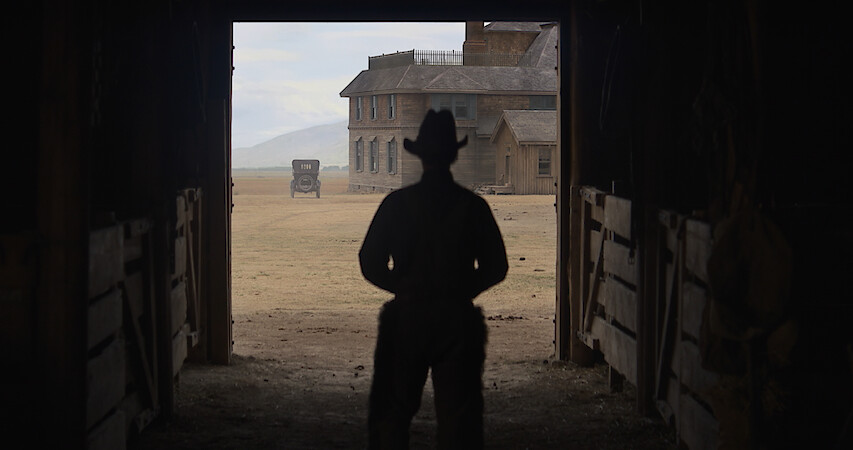
Now she’s going to the Oscars. At just 38, Wegner is nominated for an Academy Award for best cinematography, only the second woman to earn the nod in 94 years. Director Jane Campion’s adaptation of the Thomas Sage novel of the same name follows the tortured rancher Phil Burbank (Benedict Cumberbatch), who lashes out at his brother George’s (Jesse Plemons) attempts to build a family of his own with new bride Rose (Kirsten Dunst) and her son, Peter (Kodi Smit-McPhee). It’s a story that’s both grand and intimate, cutting between Wegner’s sweeping vistas of mountain ranges and dusty valleys (with New Zealand subbing in for Montana), and private moments captured close-up, like Phil’s face as he tenderly drapes Bronco Henry’s yellow scarf over his body when nobody’s watching.
Wegner has worked on some of the most visually arresting films of the last decade, from the restrained jewel tones of Lady Macbeth to the extravagant Internet neon of Zola. Still, The Power of the Dog holds a special place in her heart — and not just because she worked on it for over a year, and through a global pandemic. Ahead, Wegner explains the impact that Campion’s work has had on her own career, and the “aha” moment that led to the creation of the film’s eponymous dog.
How would you describe your job as a cinematographer?
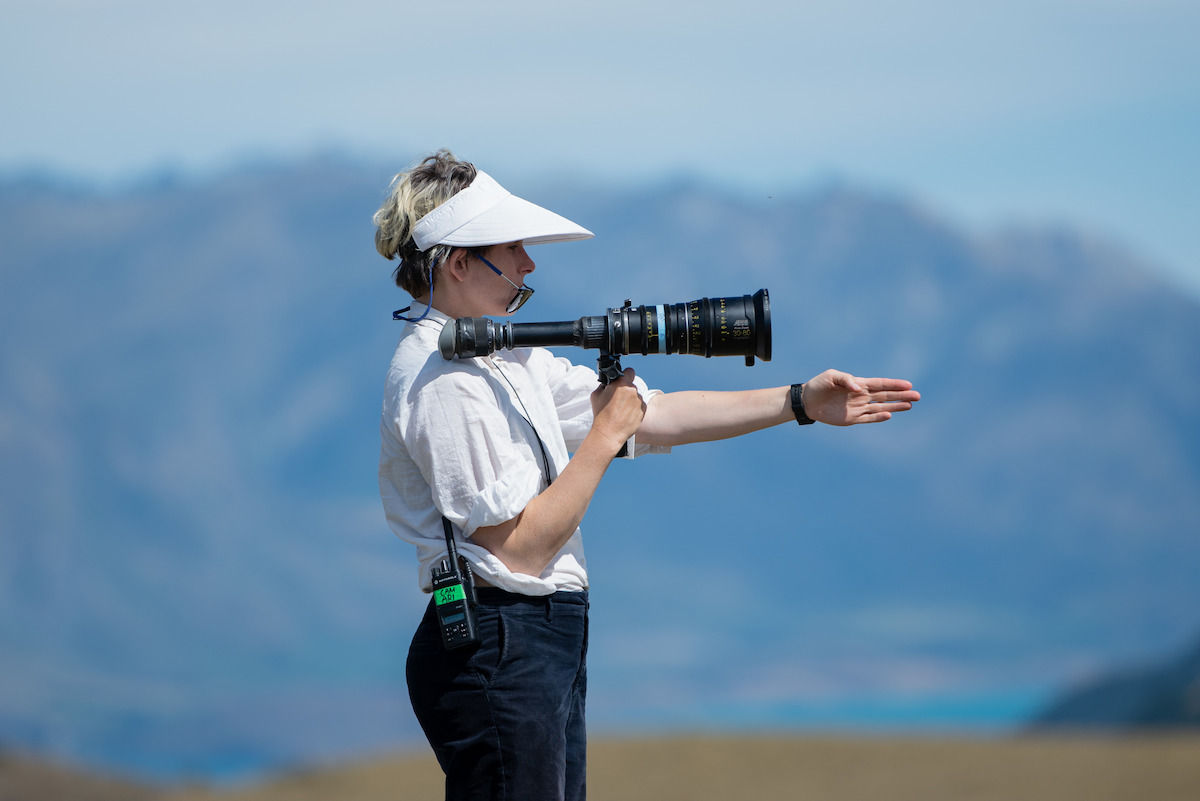
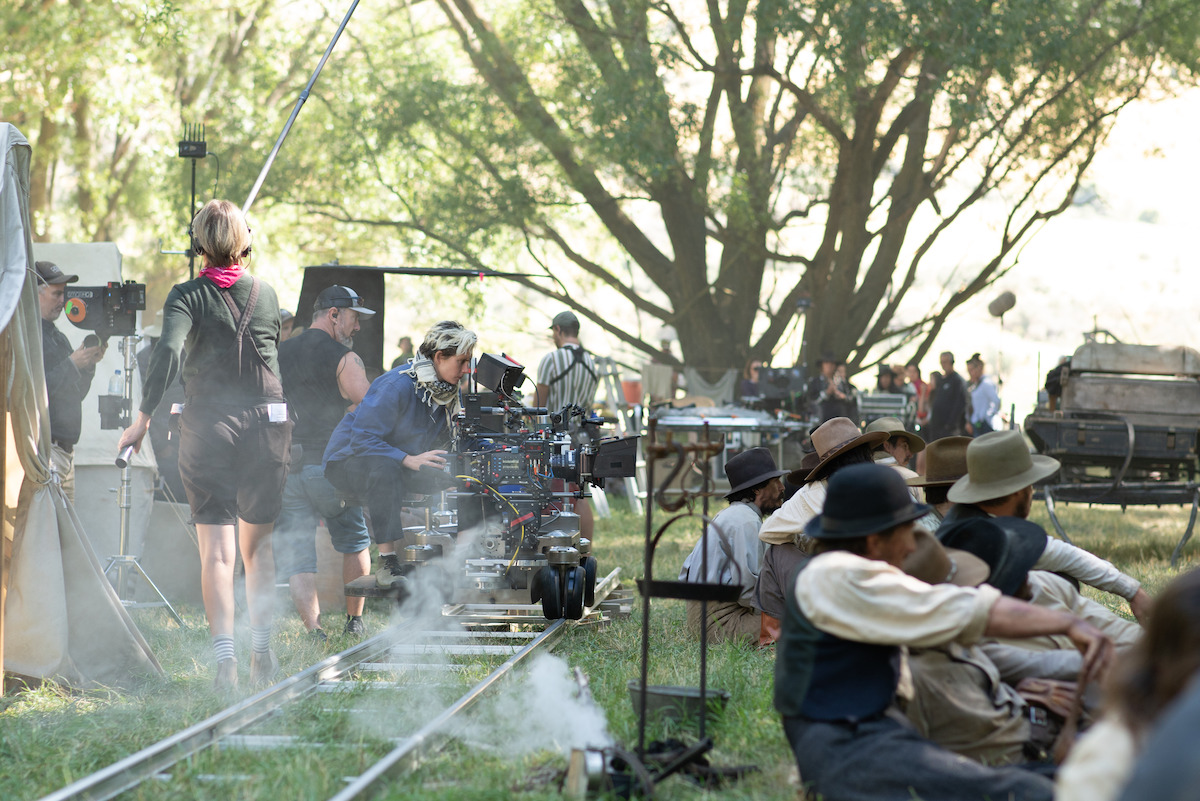
More or less everything you see inside the frame, a cinematographer has had some kind of input on. I work with the director to decide how they want the film to look, what the shots will be; work with the production designer to talk about all the things that are going to be in the frame and the locations; work with the costume designer to talk about colors and the textures of the costumes; work with the makeup department to talk about the makeup and the hair and how that is going to look on camera. It’s not just one job, it’s all these different jobs that come under the umbrella of cinematographer, but I love it. It’s really all-consuming and super satisfying. And the way every director wants to work is also very different, so I help facilitate that and make sure the director can work in the way that they want to work.
How did you get into this line of work? Were you into movies as a kid?
Not at all, actually. We didn’t even have a VCR when I was a kid. My dad’s a visual artist, and my mom’s also super creative, so there’s a lot of appreciation of aesthetics and light and design. But cinema wasn’t really part of our vocabulary until high school, when I actually discovered cinema in media class and then discovered that different people do the different jobs, and that one of them was doing the camera. I was already really kind of obsessed with photography and also writing, so it’s kind of the perfect job for someone that has those two obsessions.
What was the first movie that really struck you visually?
In media class, we watched a lot of Hitchcock. At the time, I was only just understanding the elements that make up a film. Because in many ways, we try and make them invisible to people. If you were super aware of every cut and every decision, it would be really hard to enjoy the story. As filmmakers, now I know we try to really disguise the artifice and the elements that go into moviemaking.
But Jane [Campion’s] shorts actually really struck me in terms of opening my eyes to cinema as a real art form. I think I could associate with them because it felt possible to do. You can understand how you could take a photo, but understanding how to make a movie seems... Where do you even start? When you kind of watch a short film, especially one by an amazing filmmaker, that looks so simple. It’s not, obviously, but it looks achievable. And that got me really excited. It felt like something you could grasp onto.
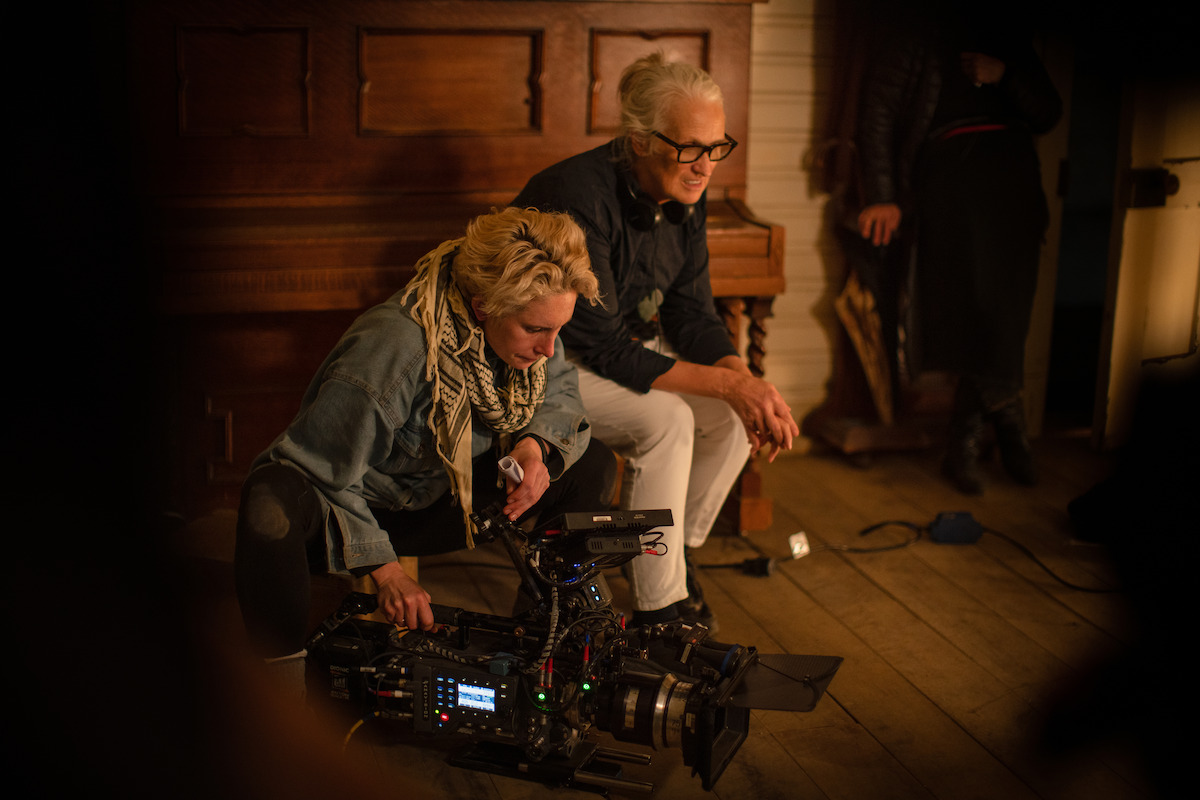
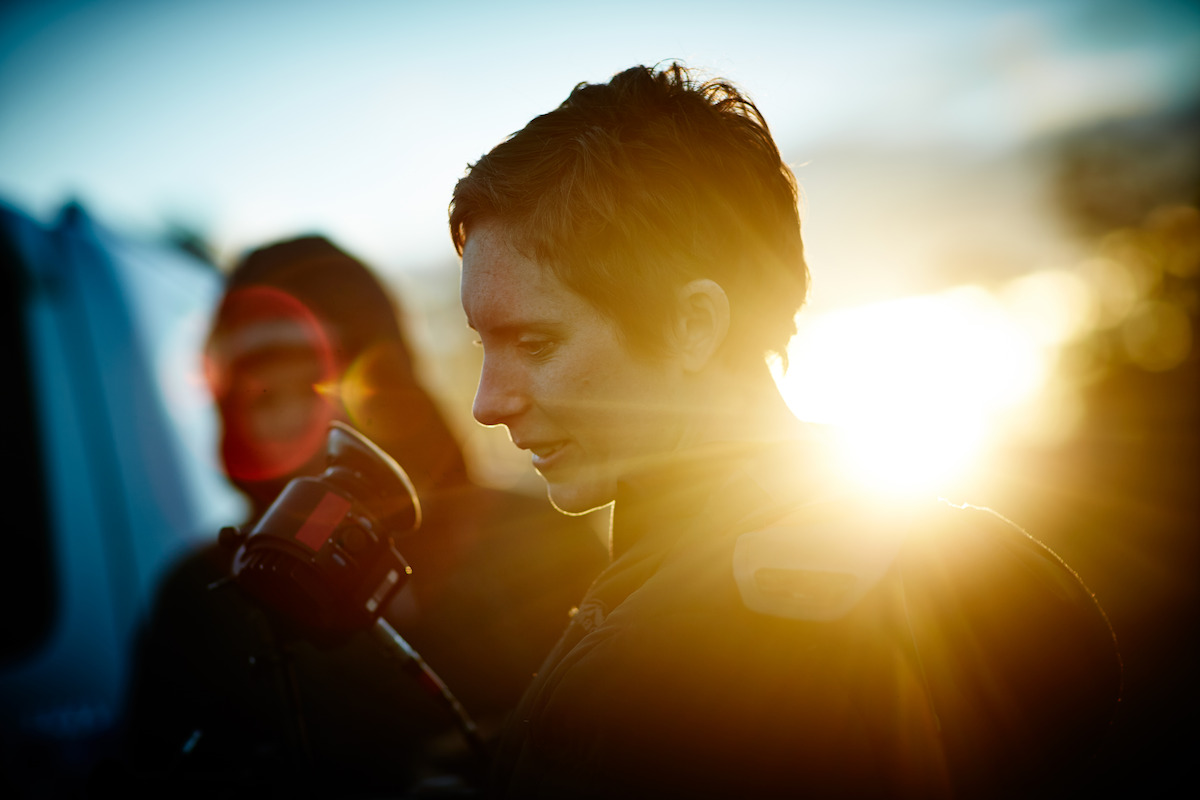
(L-R) Ari Wegner and Jane Campion behind the scenes filming The Power of the Dog.
Kirsty Griffin/Netflix
I read that you don’t take on a project unless you’re really excited about the script. You came in as Jane was adapting Thomas Savage’s 1967 book — what about The Power of the Dog gave you that gut reaction?
It’s a fantastic story. It’s a book you don’t want to put down, and even between sessions of reading it, you’re thinking about it. And that’s my benchmark of a great film and a great book and a great story: You experience it in the moment, and then you continue to experience it afterwards because you’re thinking about it. You want to talk about it, you want to dissect it and maybe even go back and experience it again. But your experience the second time is even better, or it’s different, because you can see the things you missed and enjoy it. It’s the same meal with a totally different flavor.
Are there any specific visual clues in The Power of the Dog that second-time viewers should look out for?
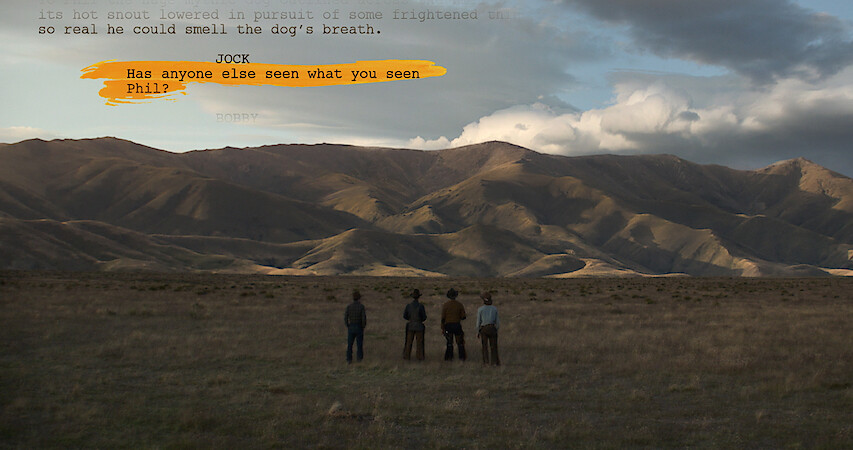
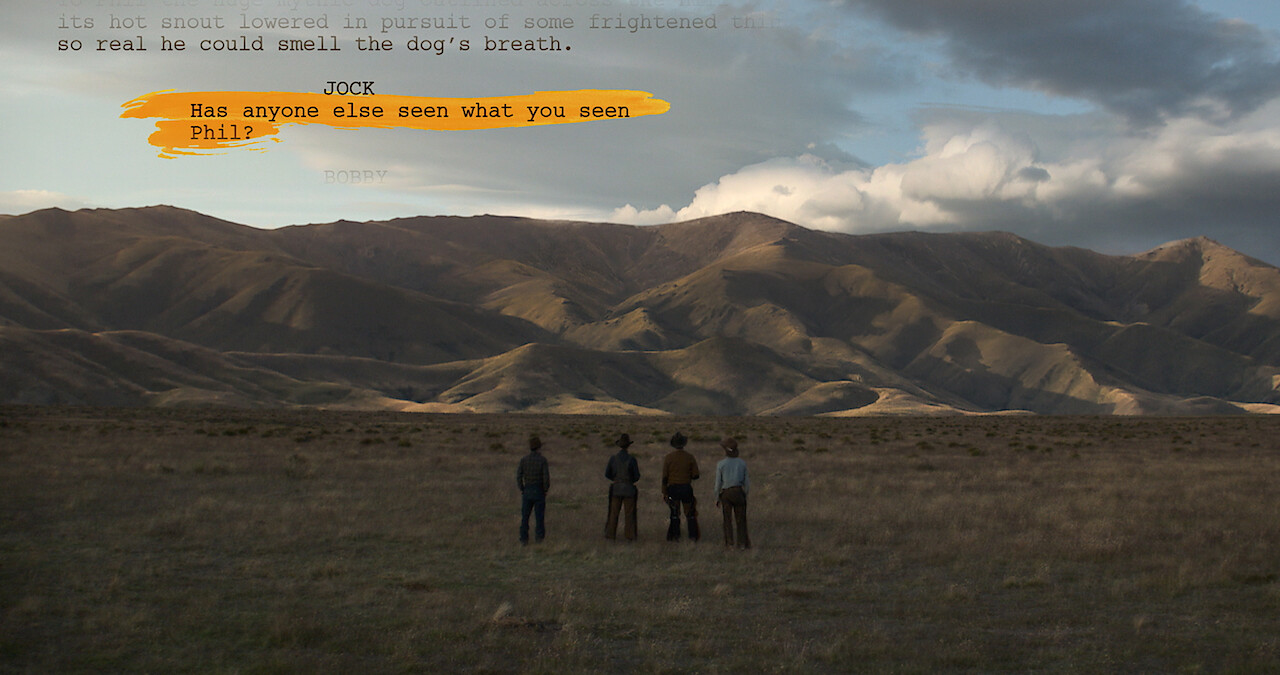
The dog, obviously, is a big element. The first time Phil and his cowboys are looking at the dog, Phil sees it, but they can’t see it. And as an audience, we don’t see it either. But if you go back and watch it the second time, and you know what shape to look for, in fact, it was there and you saw it, but you didn’t see it. Some things reveal themselves in the edit when you start to see parallels that you hadn’t consciously planned.
What kind of conversations did you and Jane Campion have about the aesthetic and the color palette?
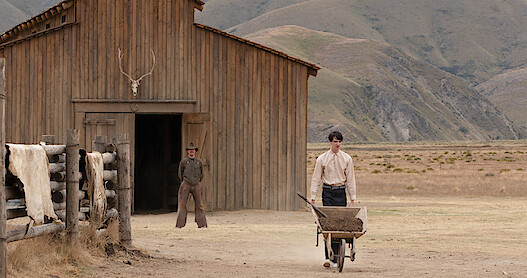
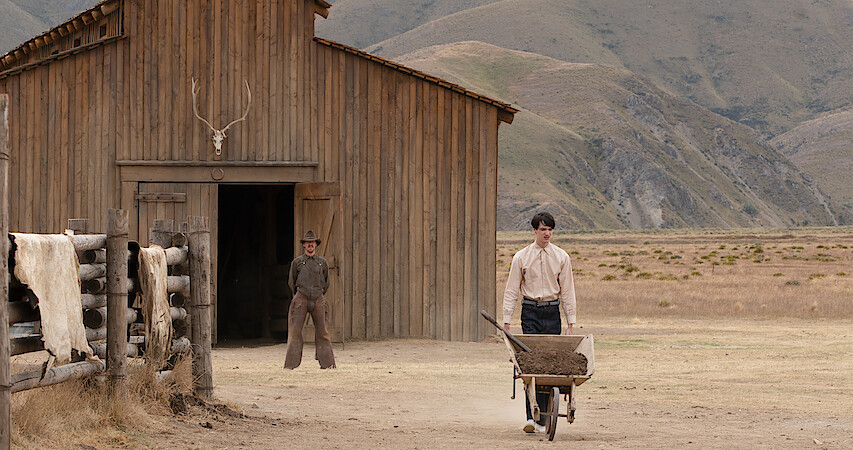
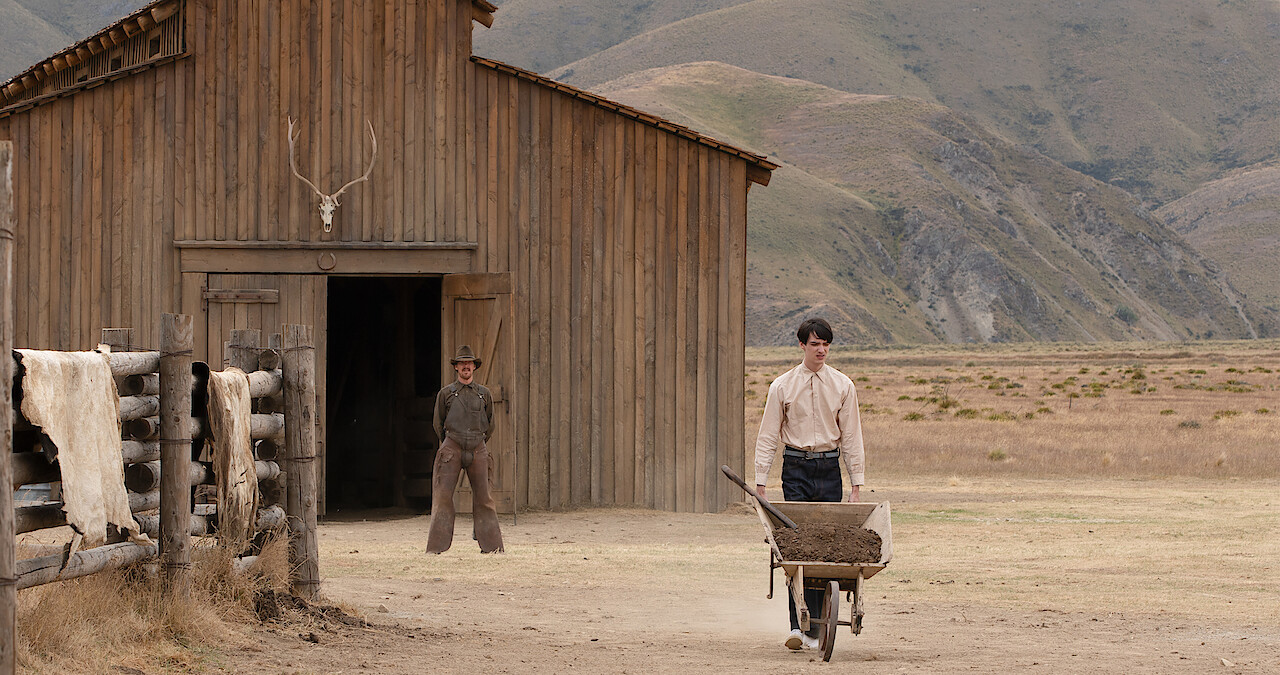
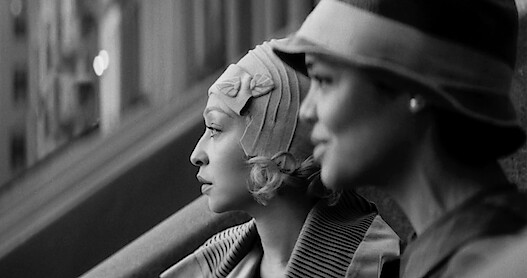
A year of conversations, really. This word kept coming up: unadorned. We wanted everything to kind of be as refined and elegant as possible — if something wasn’t necessary, [we’d] take it away. And that came down to camera movement, shots, a color, a prop. What are the bare minimum elements we need to tell this story? Even the landscape itself is very minimal. The grass is a very similar color and then the sky and the mountains.
We chose a color palette that was silver, gold, brown, yellow, amber, dusty white, cream... there’s a whole rainbow of colors that are in that very one small part of the spectrum. A restricted color palette becomes even stronger when you have something to contrast it with. For example, the place where Phil goes to swim is this kind of vivid green and lots of shade and water, and it’s a different environment altogether. If you’ve been watching a very dusty, golden, yellow, dry kind of world, and then you come into something different, both of those worlds feel richer because the other exists.
You used a lot of period photographs to inform the look of the world. What inspiration did you find there?
For me, and Jane as well, that authenticity is really huge and also exciting. I looked at a lot of old postcards, anything I could get my hands on, but we kind of settled on this photographer called Evelyn Cameron, who was a British woman who actually lived on a ranch in Montana and was also an avid photographer, which is such a crazy combination of similarities to what we were trying to do. An outsider’s eye, a woman, a photographer — which was no small feat at the time, especially when you’re living in a rural area.
Some of the things you assume about a time are not always true. We’d find these photos of cowboys with skin-tight, almost turtleneck jumpers and with those wooly pants. That’s not what you would really associate with a cowboy. Within the period photography, [there are] things you notice that maybe have been forgotten. Everyone had their own style. Everyone had their own customs and the way they did things. That’s what got us really excited. How do you make this world feel really alive and not a cliché? Jane does that particularly well. She has an amazing radar for something that feels too perfect, too obvious.
Earlier, you mentioned the dog that Phil sees in the mountains. I was surprised to find out that it was a visual effect. How did you work with that team to make everything look so natural?
We had an incredible visual effects supervisor, Jay Hawkins. Invisible VFX takes more work and planning than the ones that are clearly VFX because the human eye is really tuned to what’s real and what’s not real, so to make something look real and kind of trick the eye is a real art in and of itself. [We had to] decide: Where are the seams? Where are the edges, and how can we best disguise them? How would we frame the shot if we had 2,000 cattle, not 200? The main thing for us was making those design decisions before day one of the shoot versus thinking of VFX as a thing that happens in post.
What was the evolution of the design for the dog itself?
In the book, and even in the screenplay, the dog is not described. What Phil sees or what scale it is, or whether it’s a rock formation or a silhouette... Or is it the whole mountain range? It needed a really delicate touch because it had to be something that only certain people see.
Jay and I were out very late in the day in the winter. The shadows are long, especially at the end of the day because the sun’s so low in the sky. We were up on a kind of hilltop looking at a location that we didn’t end up choosing, and we saw, in the shadows, the face of a witch. And it was a kind of a both-at-the-same-time [moment], like, “The witch!” We were definitely all going down the path of some kind of rock formation, but we were struggling to make it magical enough. That was the journey of the dog.
Pivoting a bit to the Oscars: You’re the second woman ever to be nominated for best cinematographer aside from Rachel Morrison, nominated for Mudbound in 2018. Have you two ever met?
We have met on Zoom. We’re actually meeting tonight at a dinner.
What did you talk about? Not that people usually sit around talking about being the first of anything, but did the significance of the moment come up at all?
Cinematographers mainly geek out about cinematography, whether it’s technical stuff, working with different directors, uprooting yourself and going to a city you may or may not have heard of for a few months at a time. We all love to talk about what we’re obsessed with and what we’re fascinated by and what we are struggling with, so we probably spoke more about filmmaking and cameras than being women.
Do you wish the conversation would move past your gender and just focus on your work?
We’re definitely not ready, but there will be a day where that happens. Rachel’s nomination was incredible. The first time anything ever happens, it’s amazing. It’s the smash of a ceiling, because it goes from zero to one, that’s already huge. And then, two, I think proves it wasn’t a freak occurrence. And then, I think, three, the pattern, four is a trend. By six, seven, it’s already not such a big part of the narrative. It’s the beginning of a much longer story.
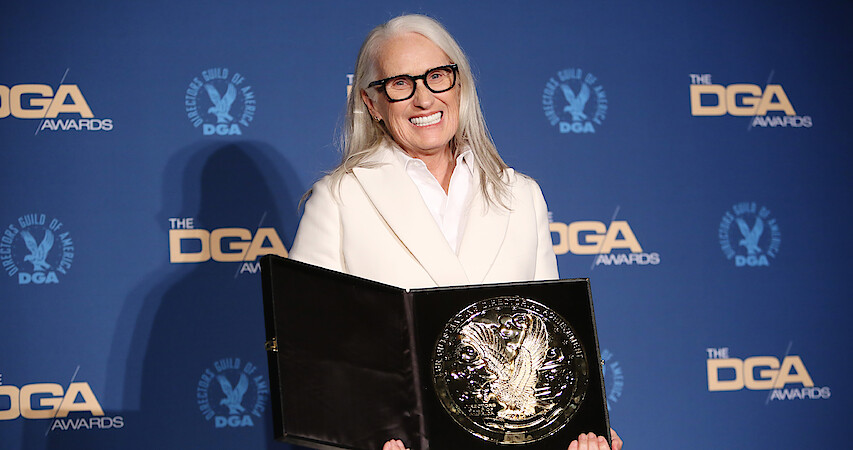
It’s kind of like Jane Campion is the first woman to have been nominated twice for Best Director. There’s some movement there.
Yeah, you get the one little blip on the radar and then eventually it doesn’t even register because it’s so normalized and commonplace. Women lawyers, it’s not a huge part of their identity as their profession. We’ll get there, but I think also, big change does take time, and if you look at the 94 or 95 years [there were no women cinematographers nominated,] and now there’s two. It’s the start of something.
What would you want the Academy to pick as your Oscars clip to run during the broadcast?
I had not even thought about that. I’m worried about where I’m going to put my phone in whatever I’m wearing. Where am I going to put my snacks?
You could do like Jennifer Lawrence and hide a stash of snacks in your clutch.
I’ll have my little protein bar!