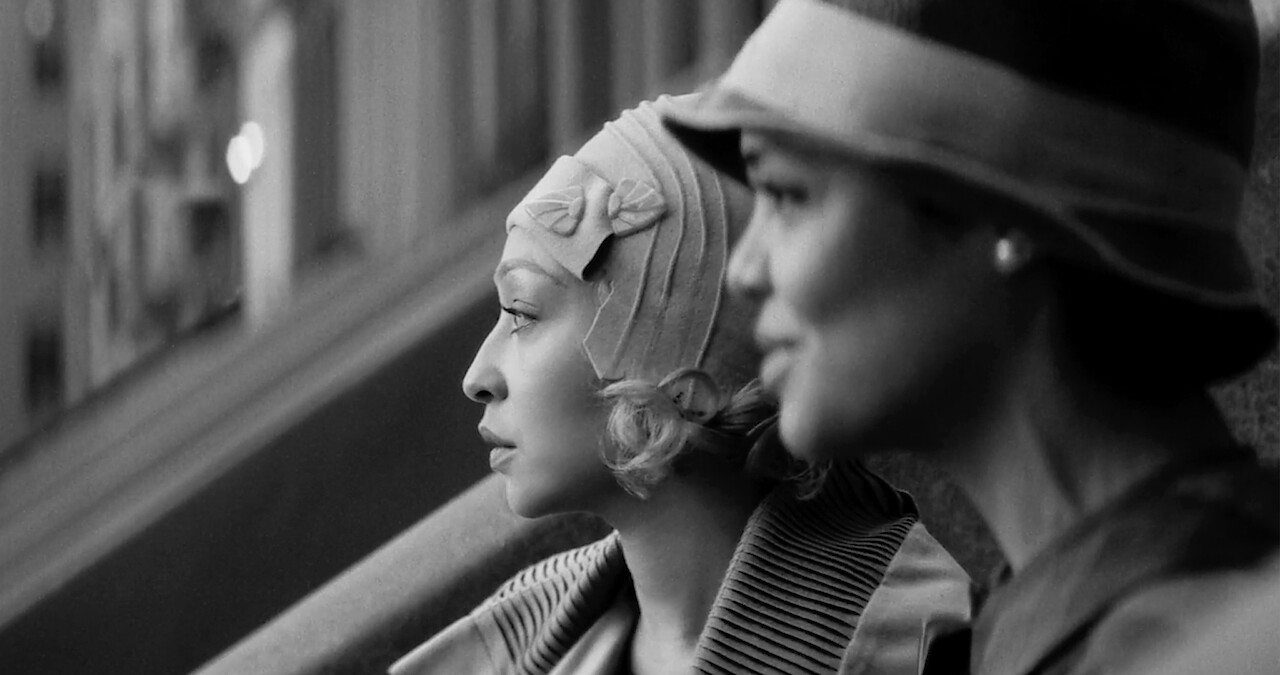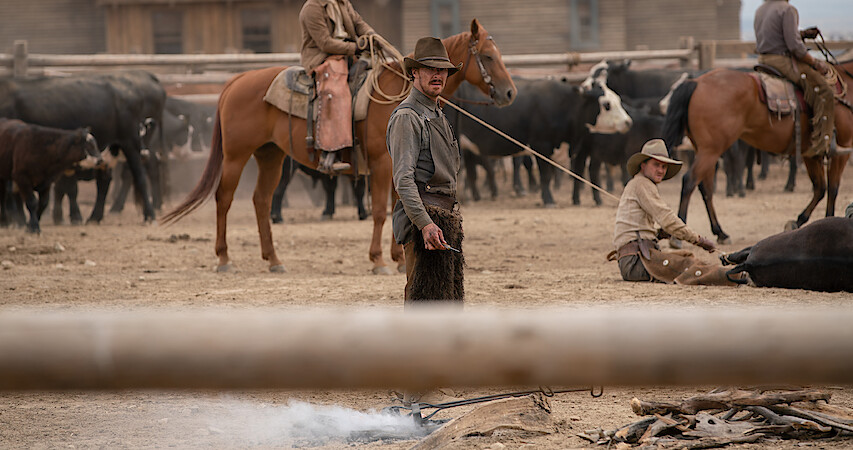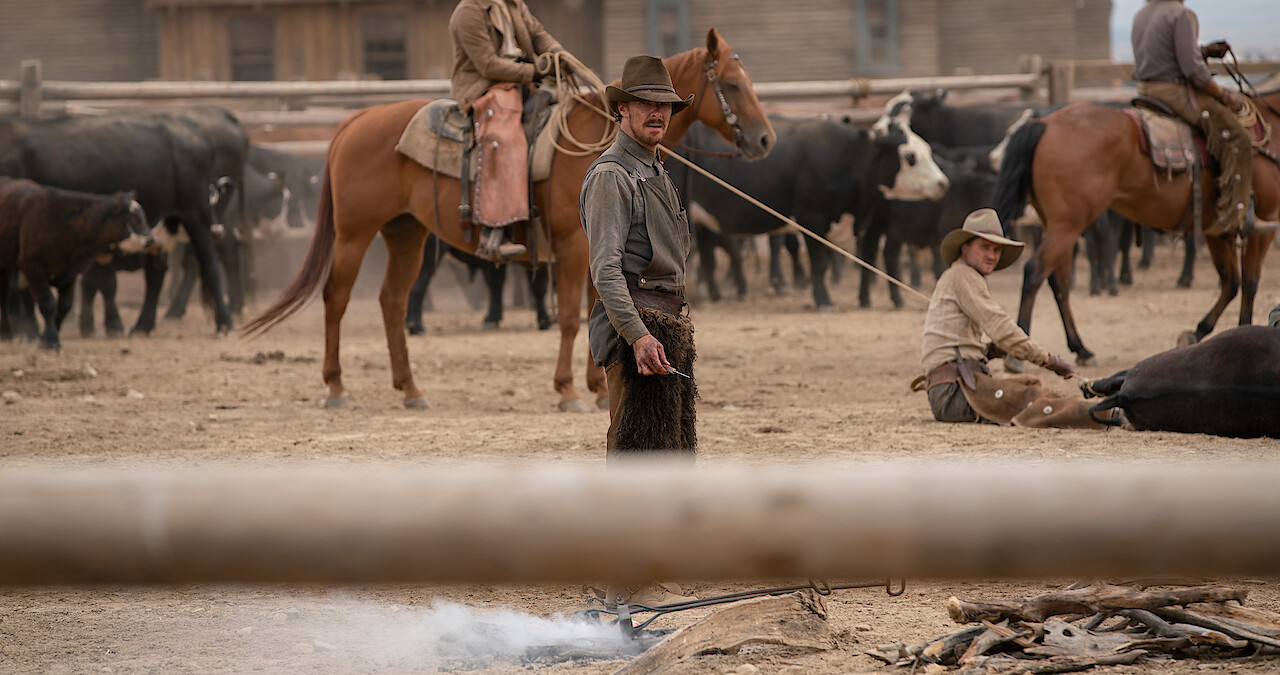
Kirsty Griffin/Netflix
Did You Know?
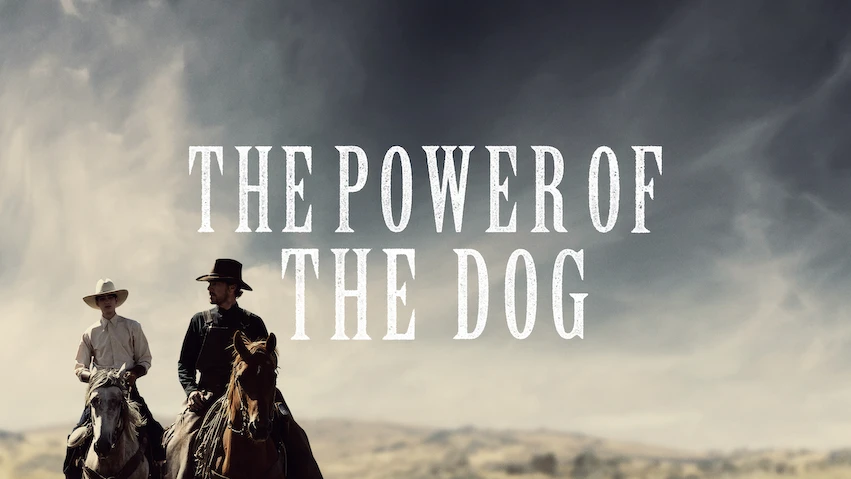
‘The Power of the Dog’ Production Designers Built a House from Scratch
And got an Oscar nomination for it.
March 19, 2022
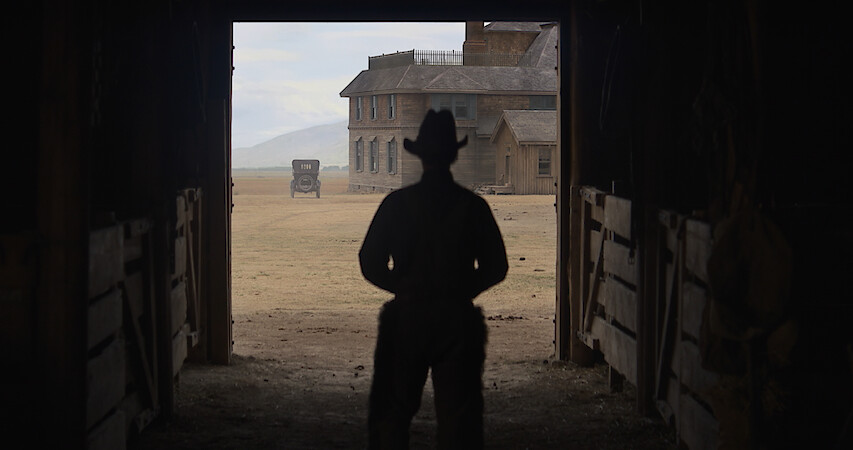
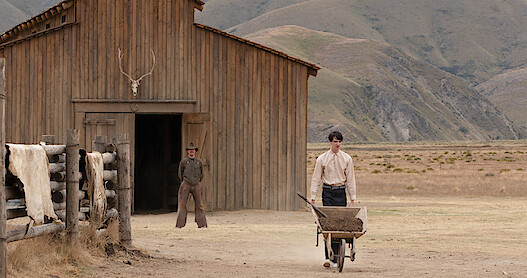
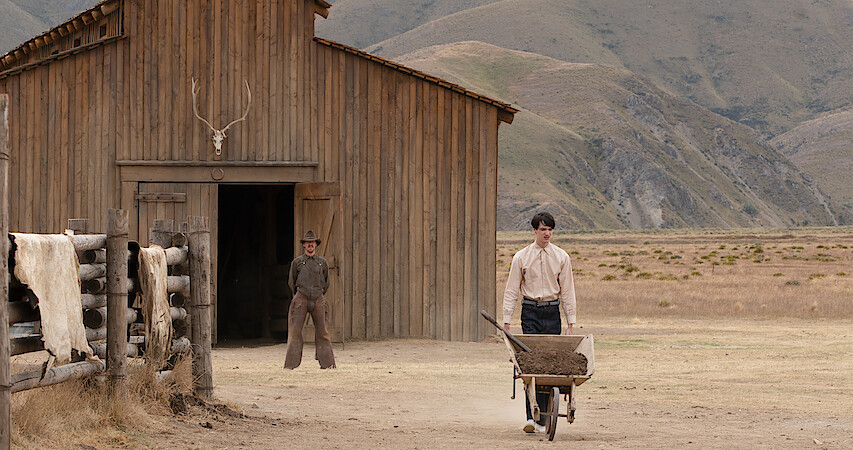
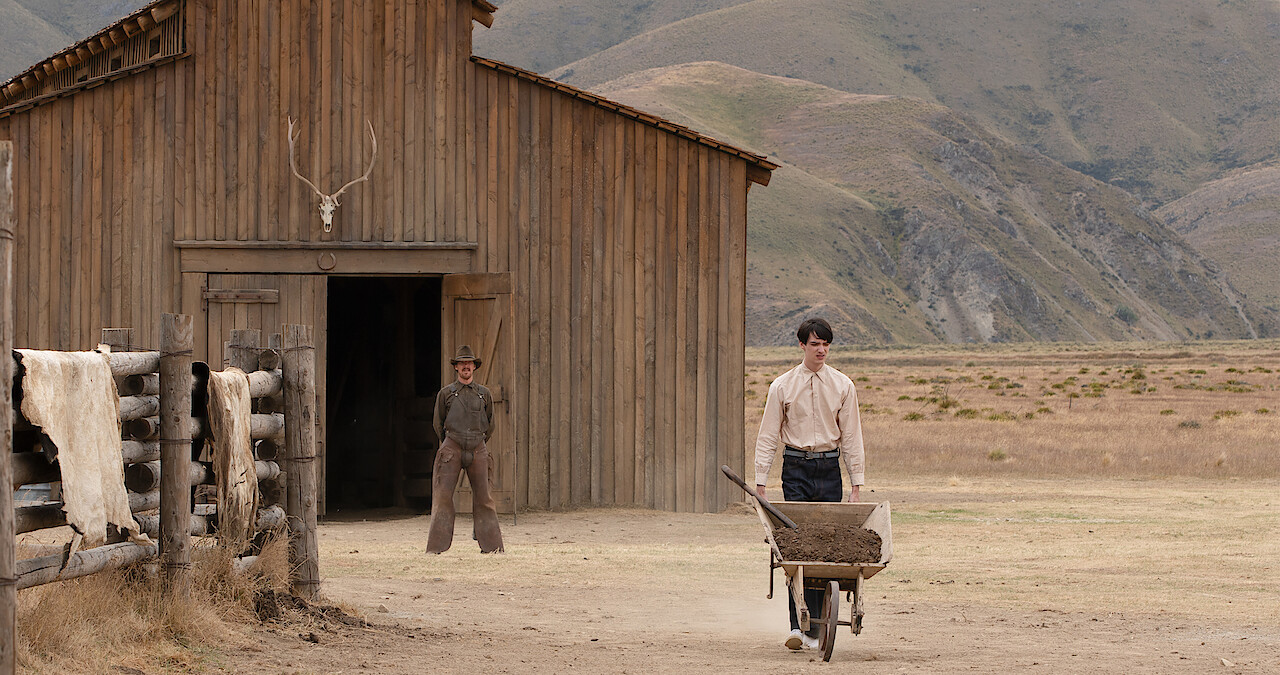
For most film productions, the hunt for locations is just that: a search for preexisting locales. But for the Oscar-nominated production design team behind The Power of the Dog, things were a little more complicated. Rather than location scouting a home for the Burbank family ranch, where much of the film takes place, the team began the difficult process of building it from scratch.
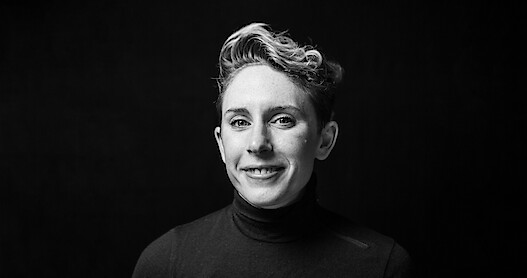
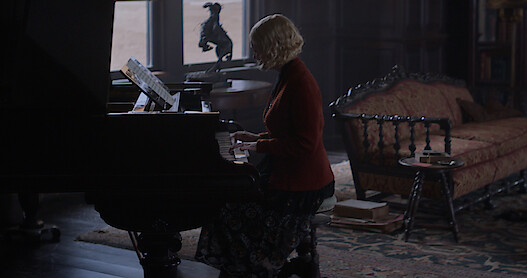
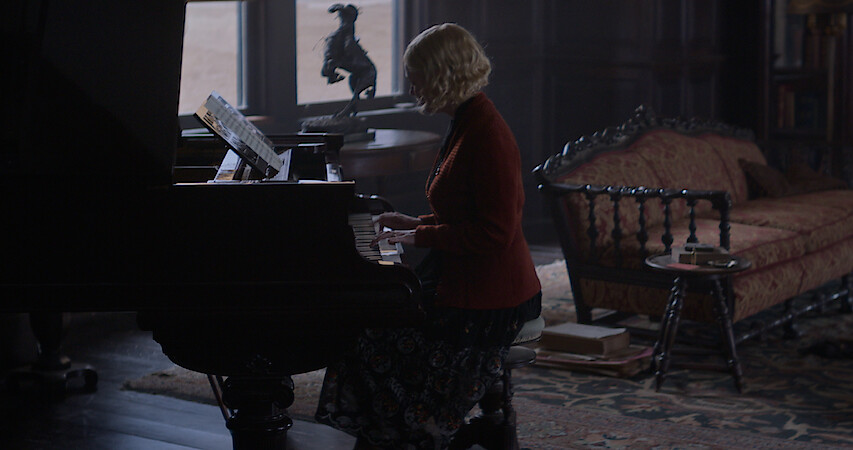
“The house is central to the production design of the film. It’s the iconic family presence that’s on the land,” production designer Grant Major told Netflix’s Queue. “A lot of intense drama took place within these sets, so being authentic and detailed with their look was essential.”
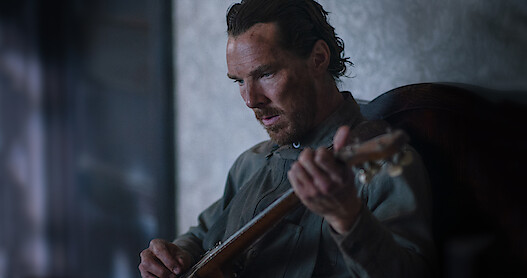
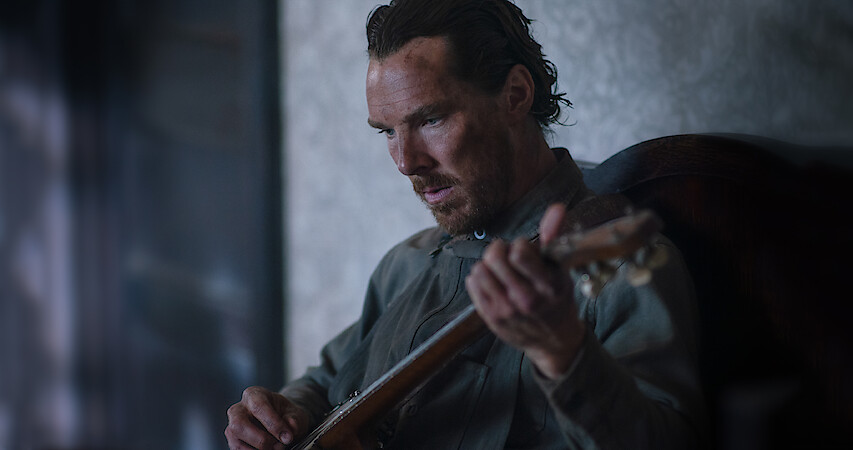
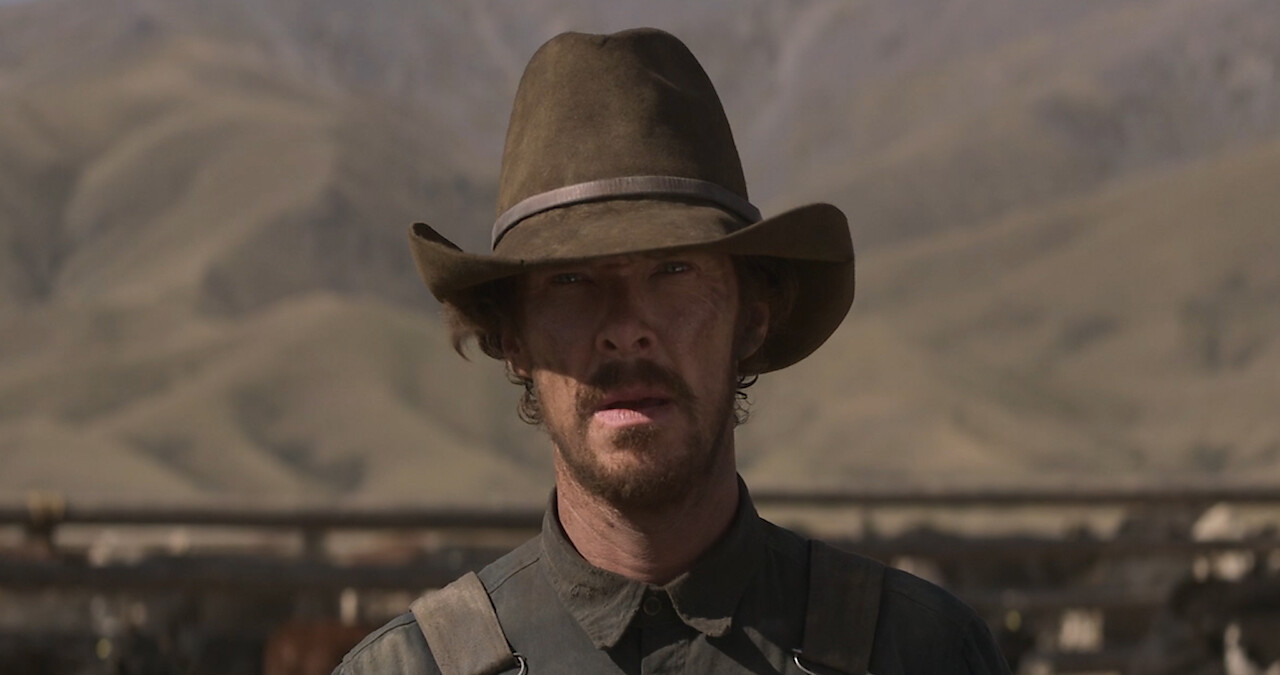
The ranch would also be crucial to the contained psychological tension of The Power of the Dog. For Major, the interiors he helped construct reflect the interiors of the characters. “Part of Phil’s inner psychology and personality is to do with that barn, the strength of it and the closed-in nature of it with windows that look out towards the house,” Major said.
So the crew set out to build an authentic mid-1800s Montana ranch house in what Major calls “the windiest valley in New Zealand.” Major drew inspiration from President Theodore Roosevelt’s Long Island home and justified the influence with a bit of light fanfiction. “The Burbank family backstory was that they came from the East Coast around the 1880s to set up a cattle ranch,” Major told Queue. “They may well have appropriated Roosevelt’s style and plopped it on the landscape in Montana.”
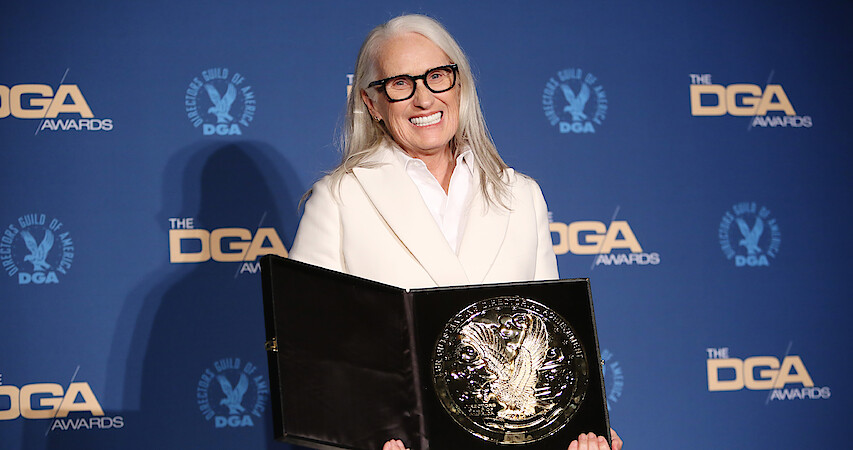
The process was touch and go at some points. Building in the midst of an unexpected New Zealand snowstorm proved difficult. “It was snowing in September, which is spring in New Zealand,” said director Jane Campion. “And I was talking to some of the builders asking, ‘Do you think this is going to get done?’ They were trying to dig the foundations into this icy ground, trying to build a massive three-story house in three months. And they said, ‘I might be worried.’”
In the end, the house was finished on time — but the work didn’t stop there. One of Major’s most difficult jobs was making the house appear as though it had been sitting on the land for years, rather than just a matter of months. “The paint job in particular was a nail-biting thing,” Major recalled. “You had to make it look like the [Burbank] house had been sitting there for decades in harsh environments. [Campion] showed up just before filming and may just as easily have said, ‘I hate that paint job. We need to repaint it. I don’t care how long it takes.’ But in this case there was nothing that she didn’t like.”
And the difficult process found a happy ending. “It was a real thrill because she was absolutely elated,” Major said of Campion. “[C]oming into the set and seeing the [ranch] on a beautiful sunny day, and it was safely there.” All in a day’s work.