mandraketheblack.de/Netflix
Family Favorites
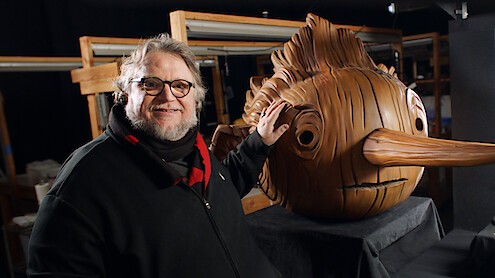
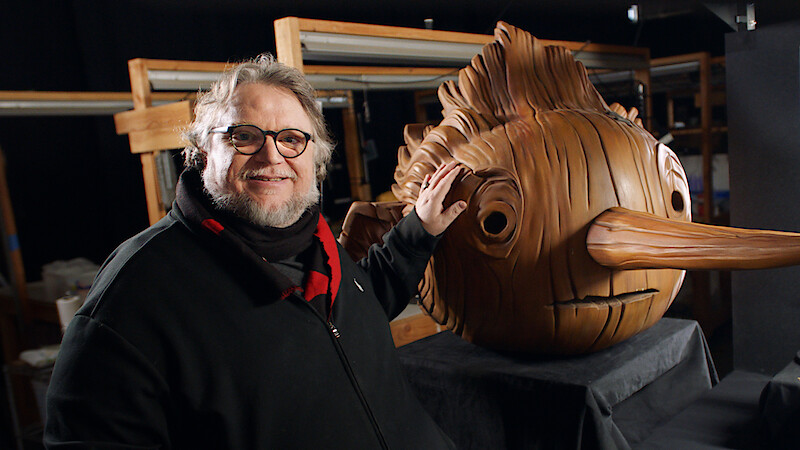
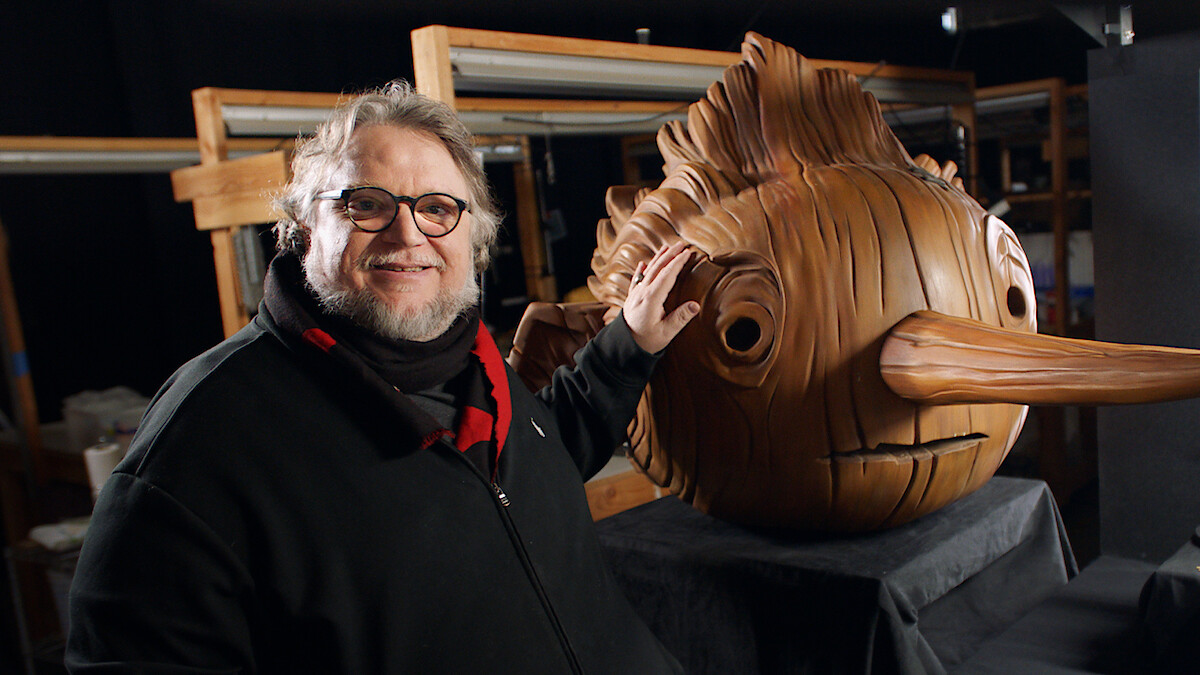
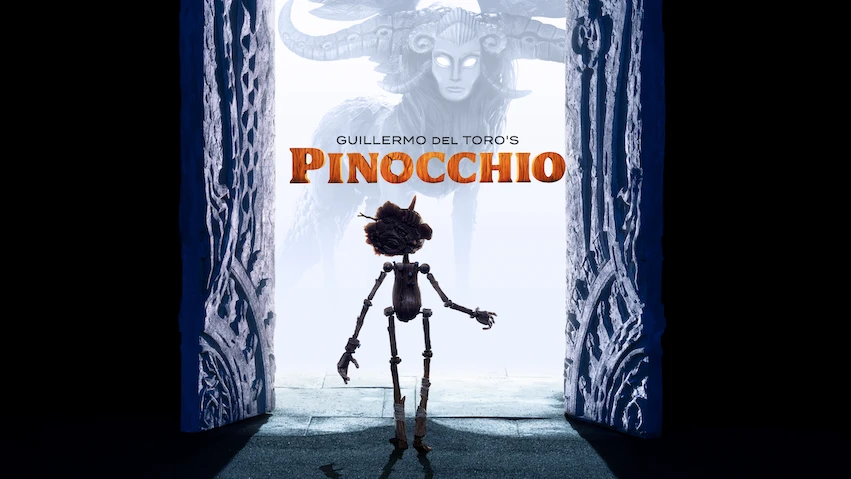
Here’s Why ‘Pinocchio’ Took More Than Two Years to Film
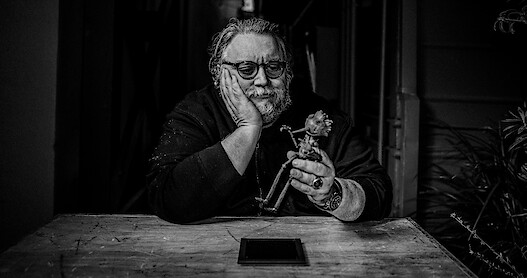
Guillermo del Toro describes the painstaking process of stop-motion animation.
Dec. 9, 2022
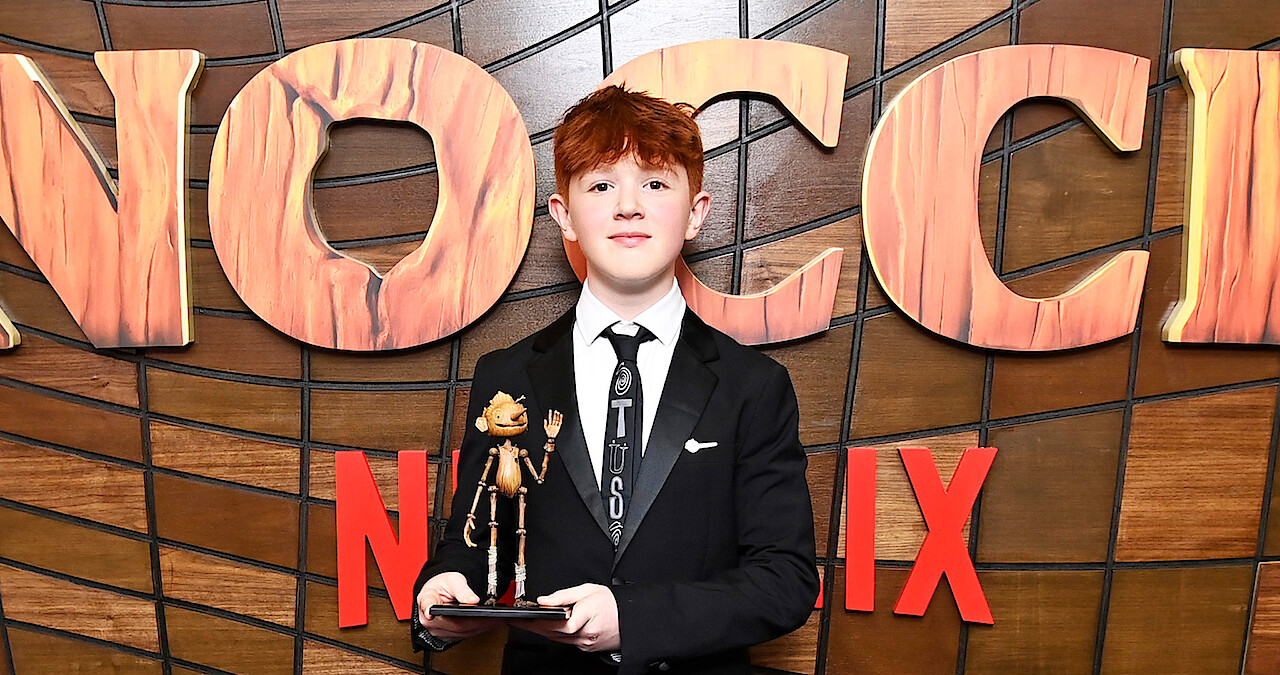
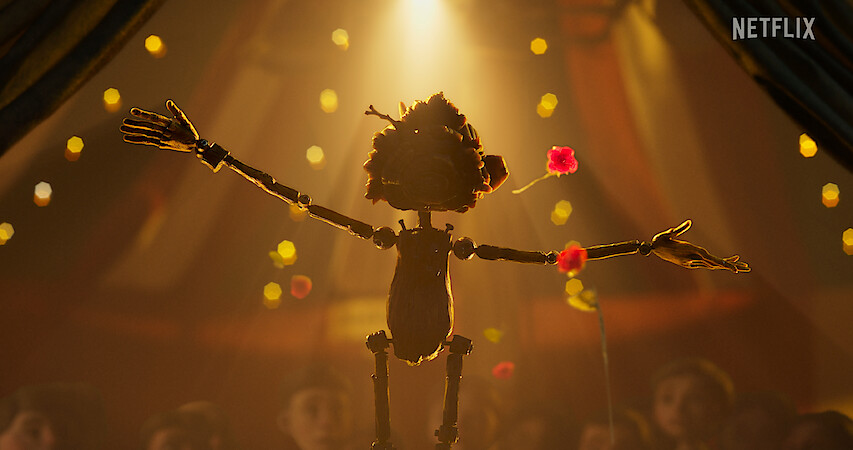
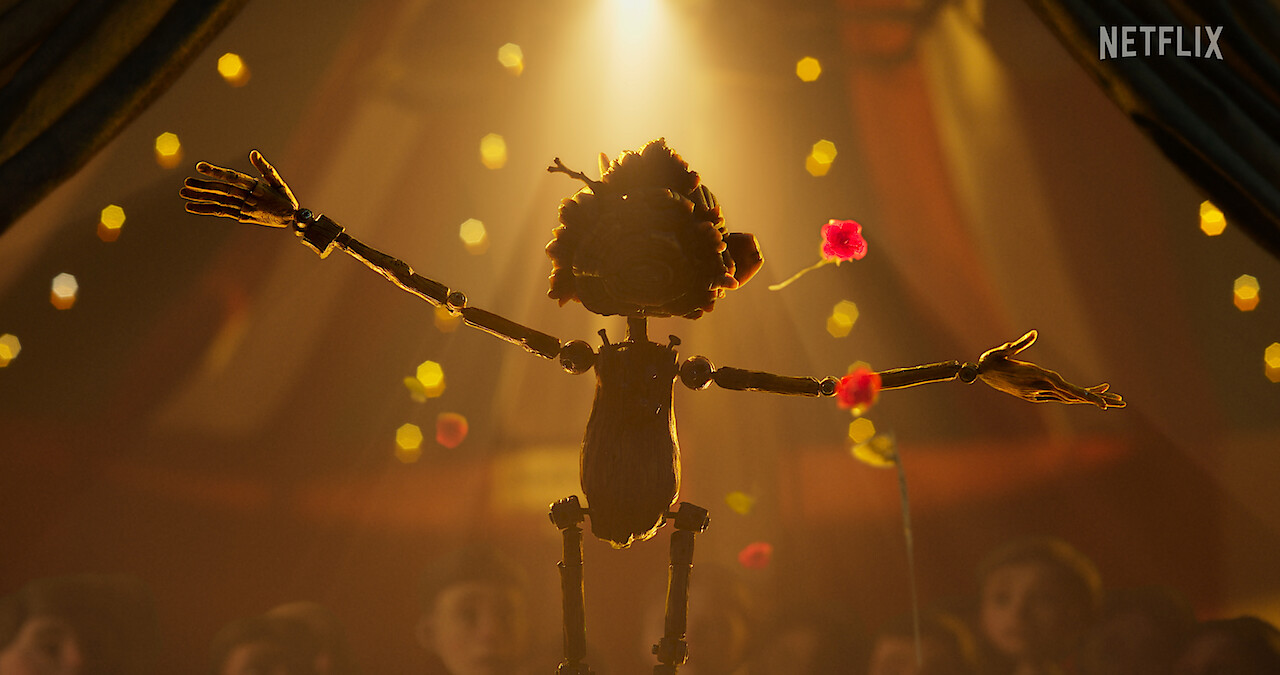
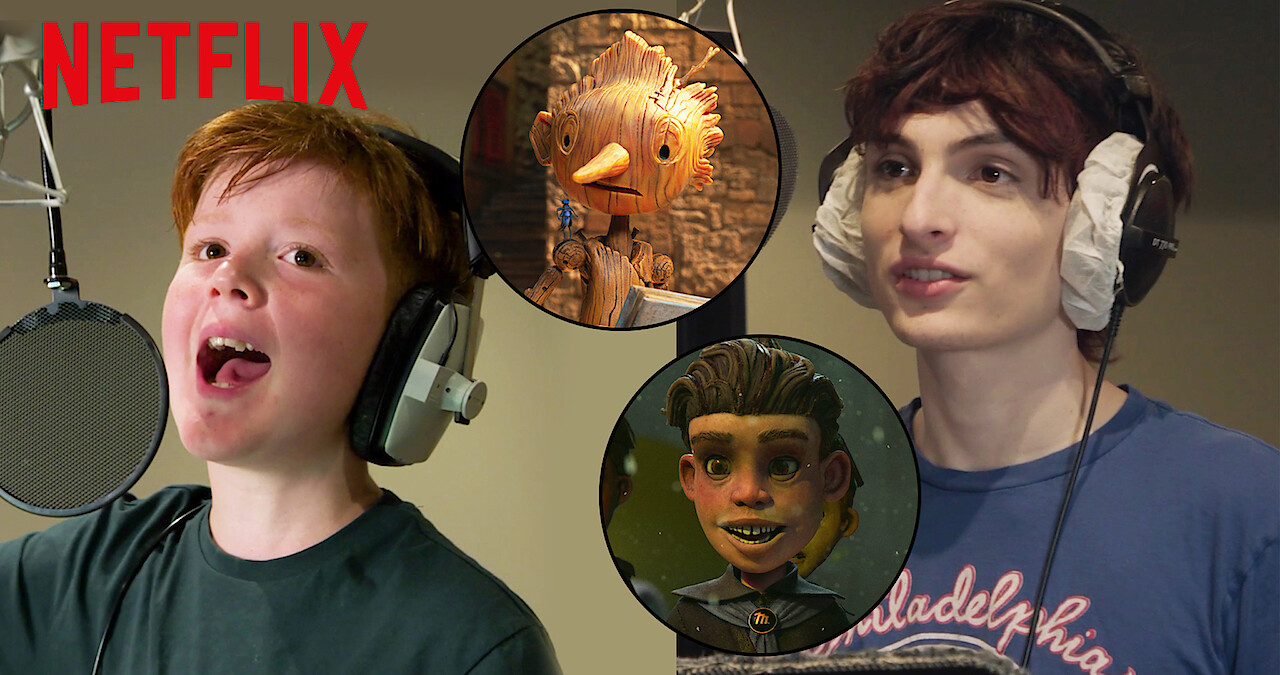
Lawrence of Arabia, David Lean’s epic, nearly four-hour drama about the adventurous life of T.E. Lawrence, was filmed on location over the course of three months. Guillermo del Toro’s Pinocchio, on the other hand, took a whopping 940 days to capture. That’s roughly two and a half years — enough time for titular puppet performer Gregory Mann’s voice to crack.
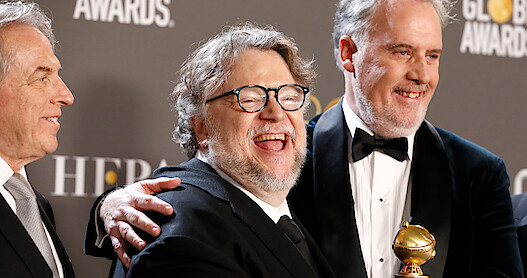
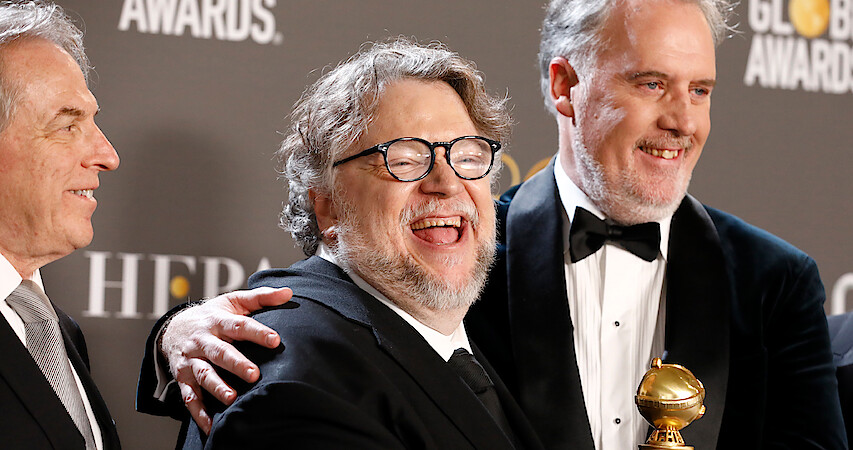
“A long, long schedule on a movie is considered 94 days,” del Toro tells Krista Smith in a new episode of the podcast Skip Intro. “So, this is 10 times the size of a shooting schedule.”
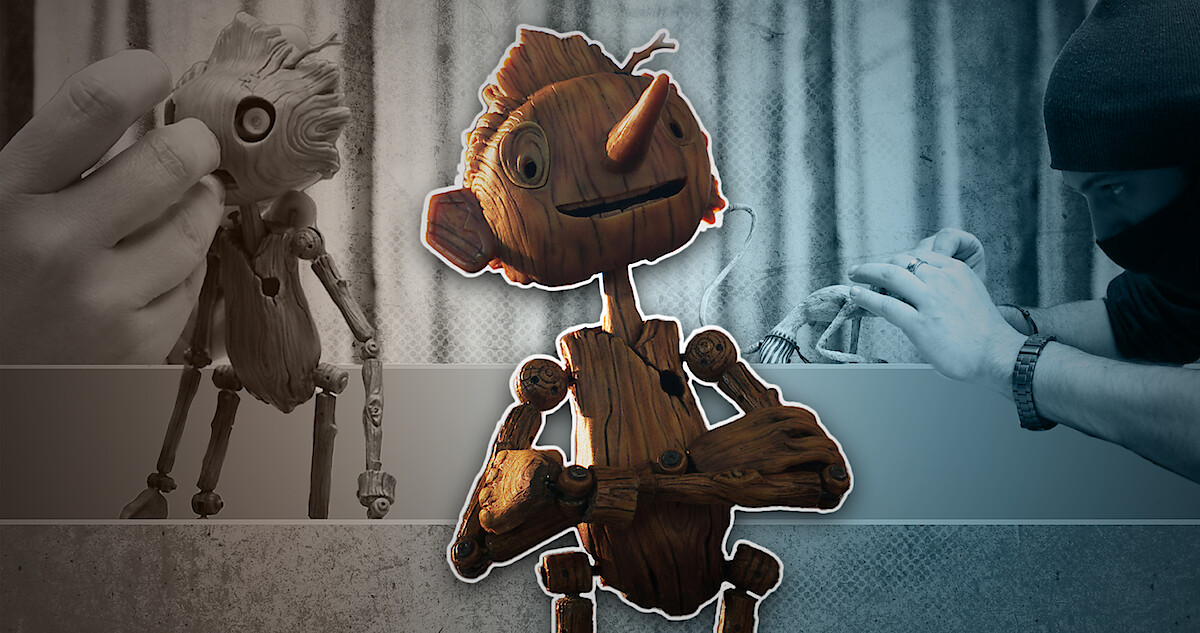
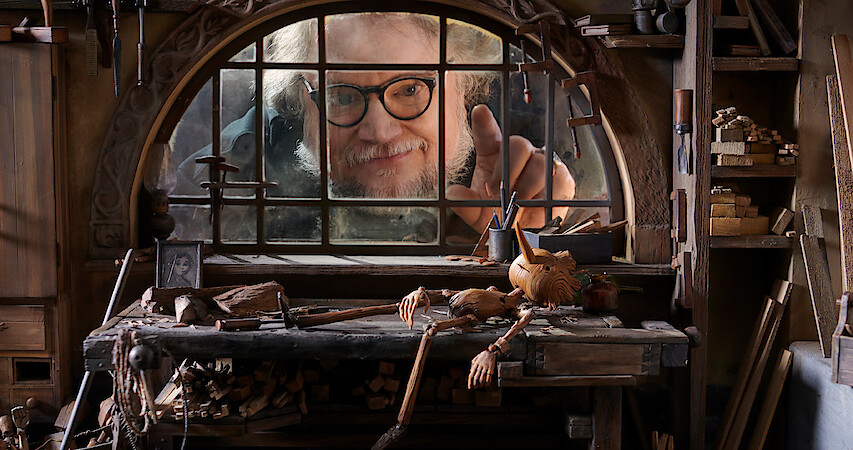
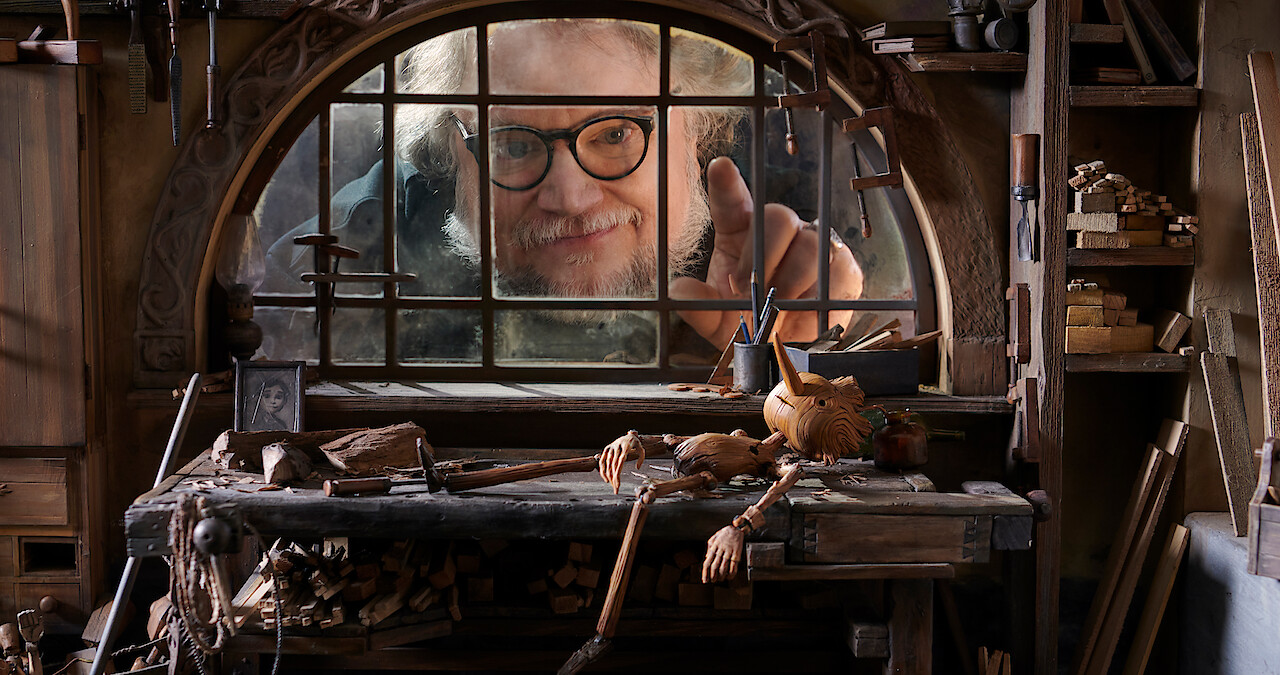
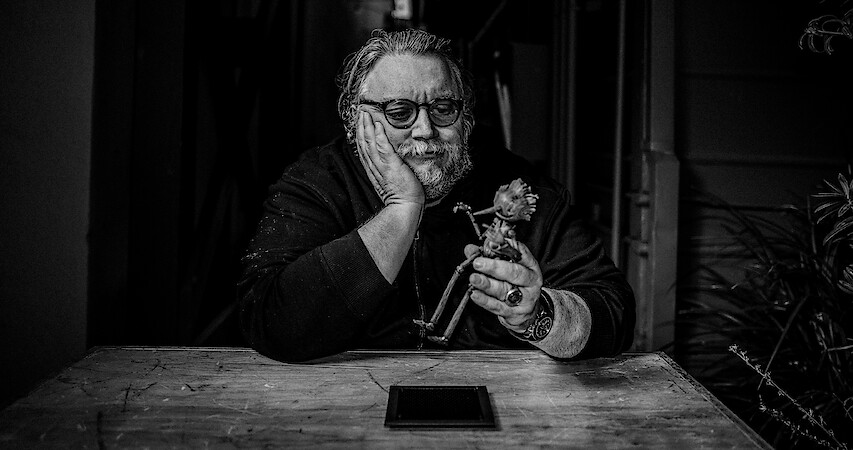
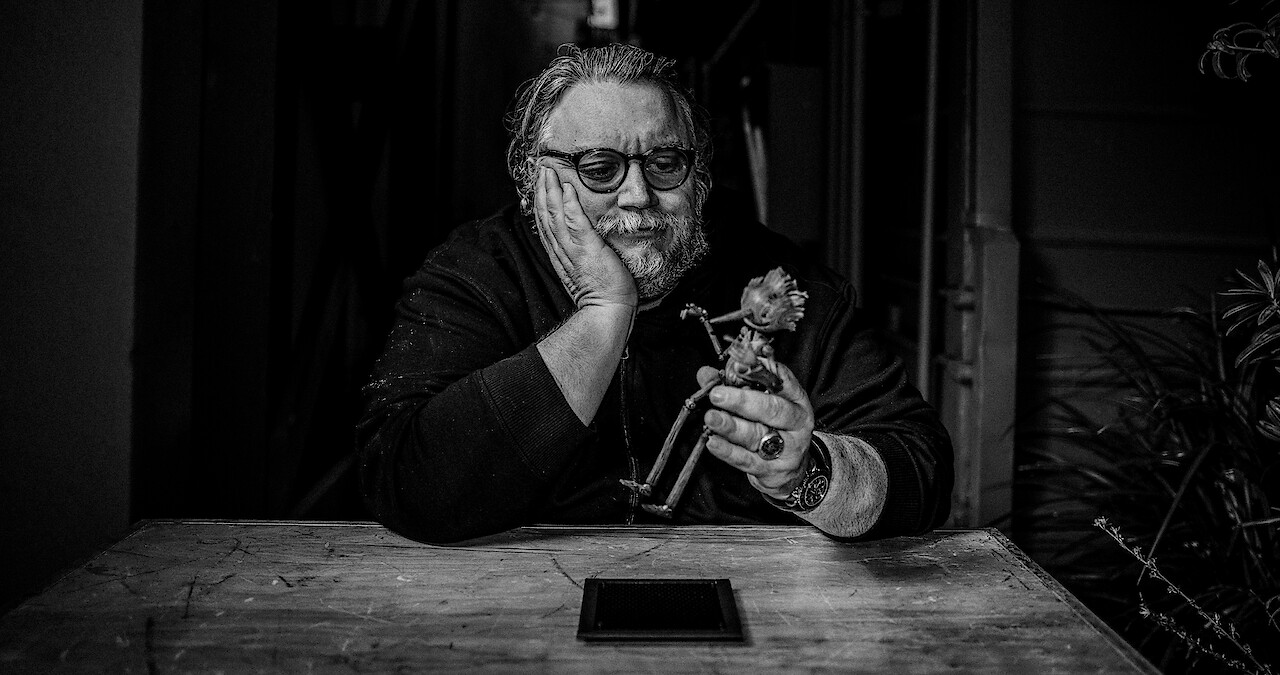
Del Toro points to the painstaking process of stop-motion animation to explain why his film, co-directed with Mark Gustafson, took such an enormous amount of time to orchestrate.
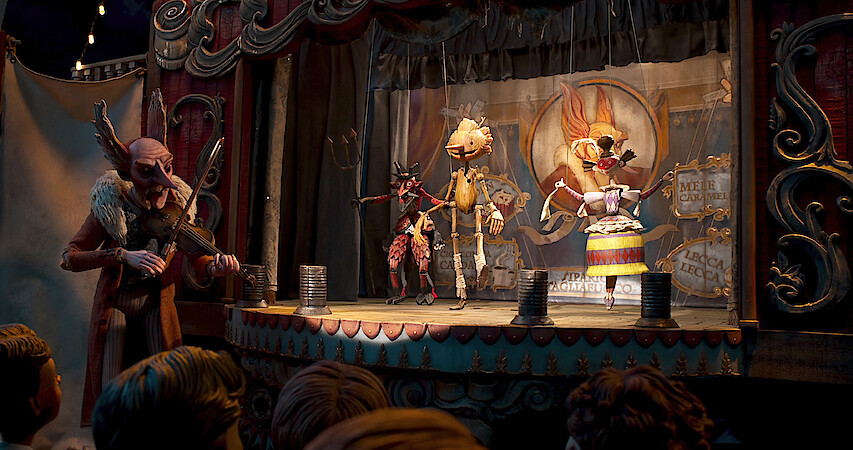
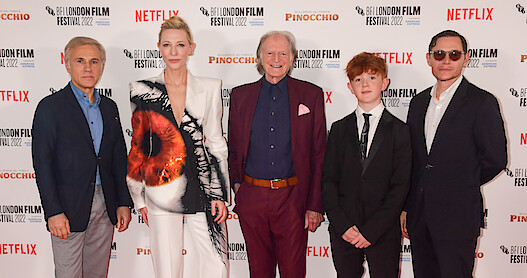
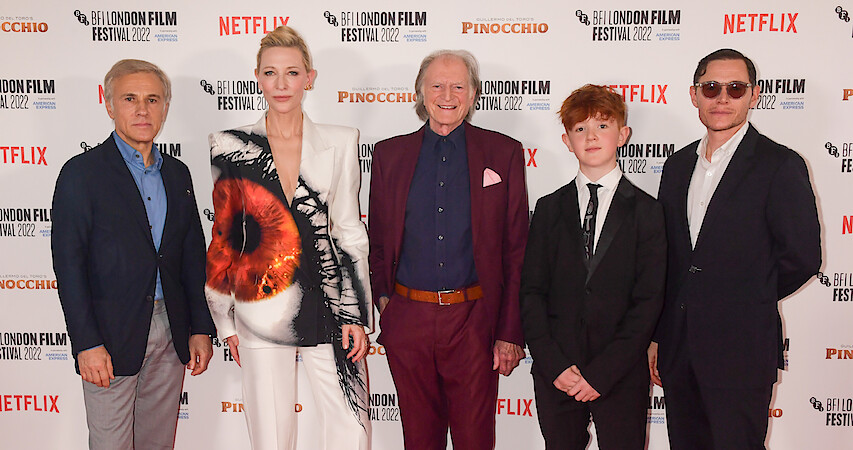
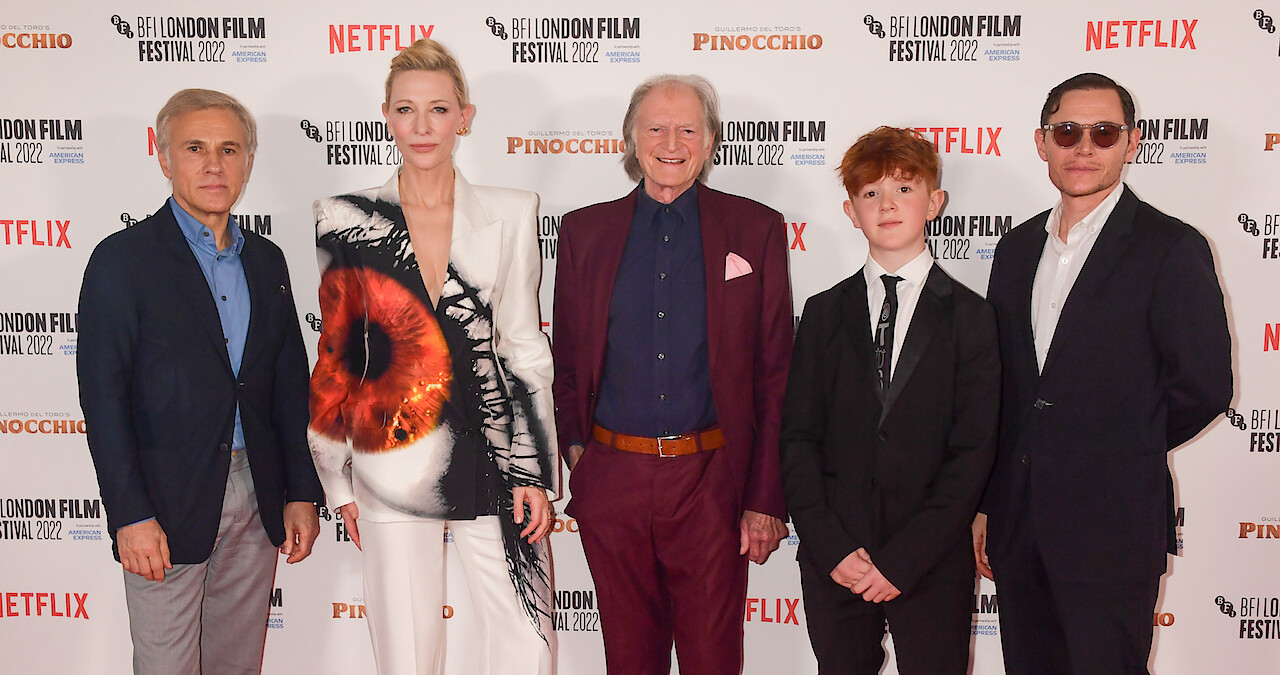
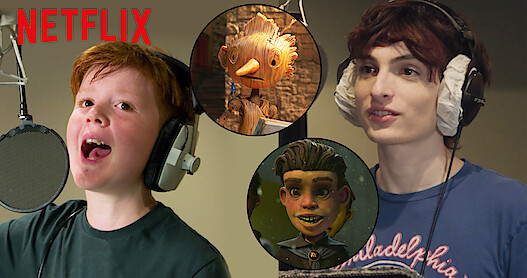
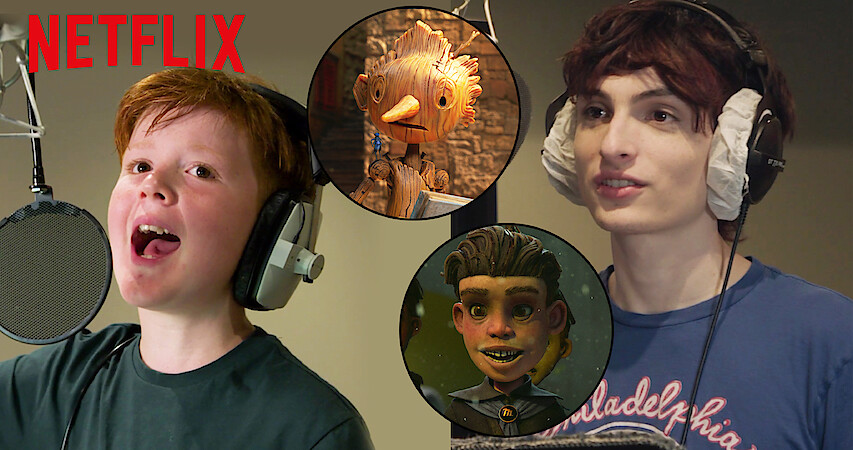
Imagine: To move a single character for one second requires 24 frames. Now, multiply that by a two-hour film, the equivalent of 7,200 seconds — requiring 172,800 frames — and add a cast of characters that includes Pinocchio, Geppetto (David Bradley), Cricket (Ewan McGregor), Podesta (Ron Perlman), Dottore (John Turturro), Spazzatura (Cate Blanchett), Candlewick (Finn Wolfhard), Count Volpe (Christoph Waltz) and many others. All those seconds start to turn into years.
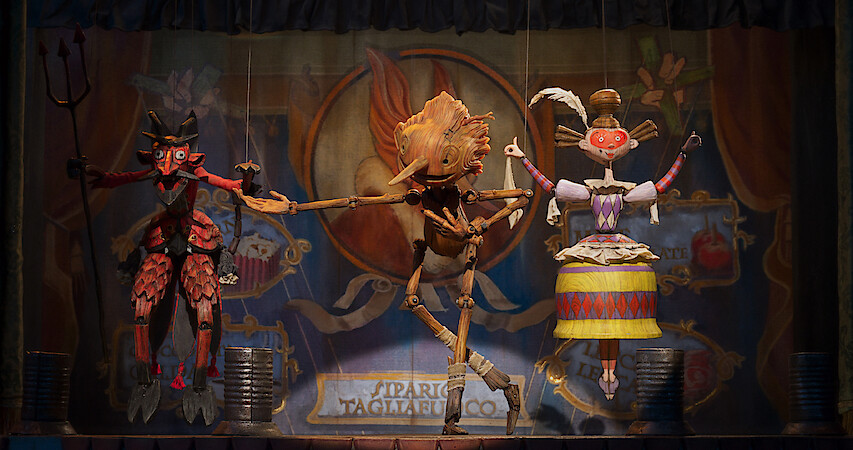
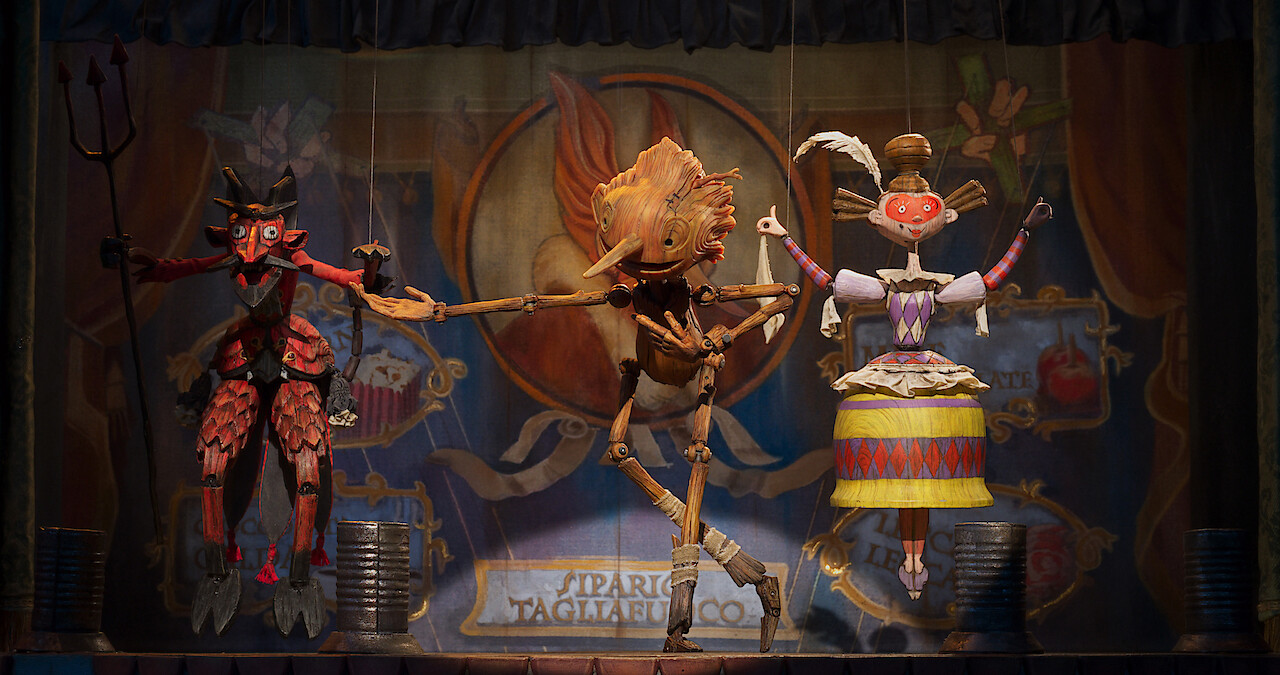
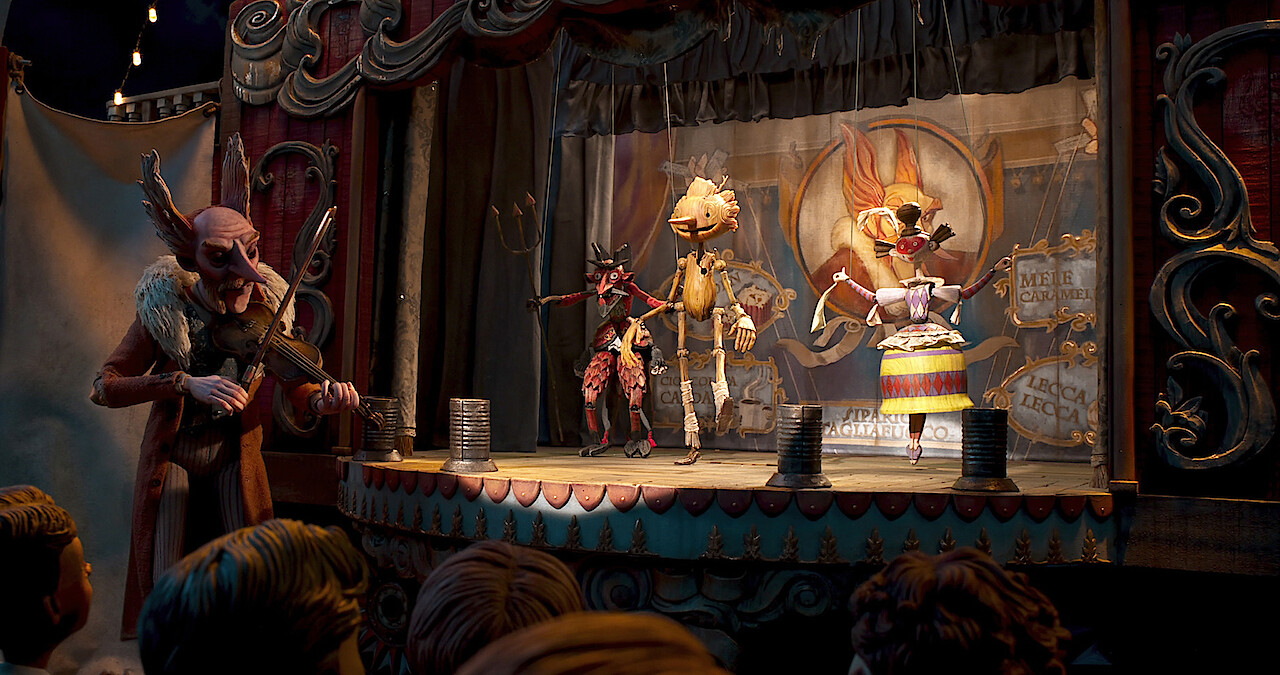
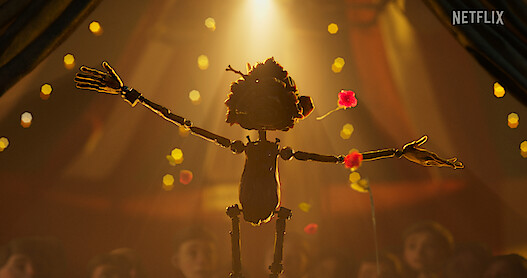
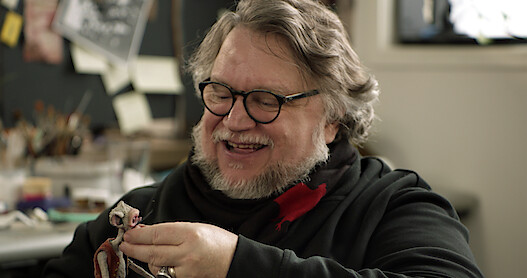
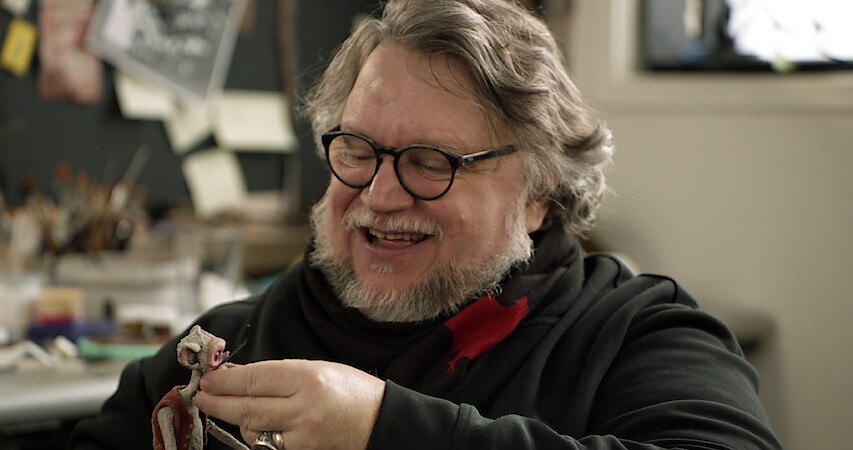
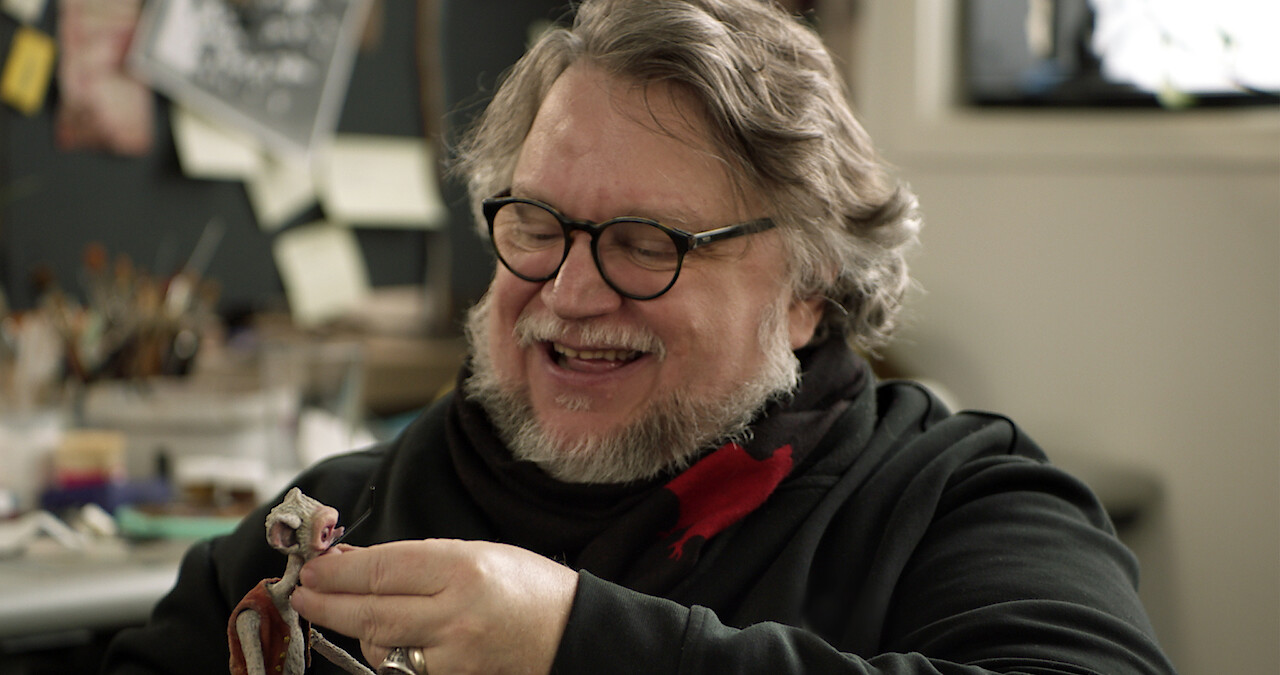
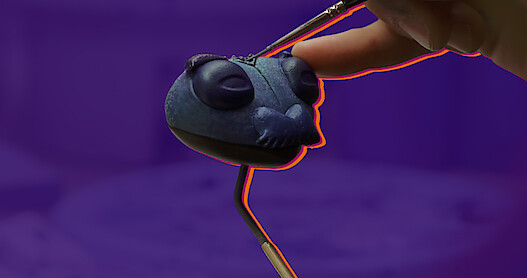
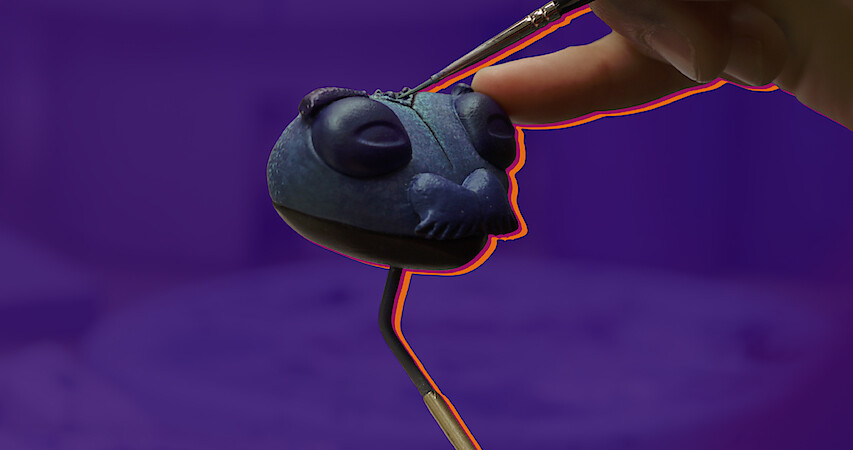
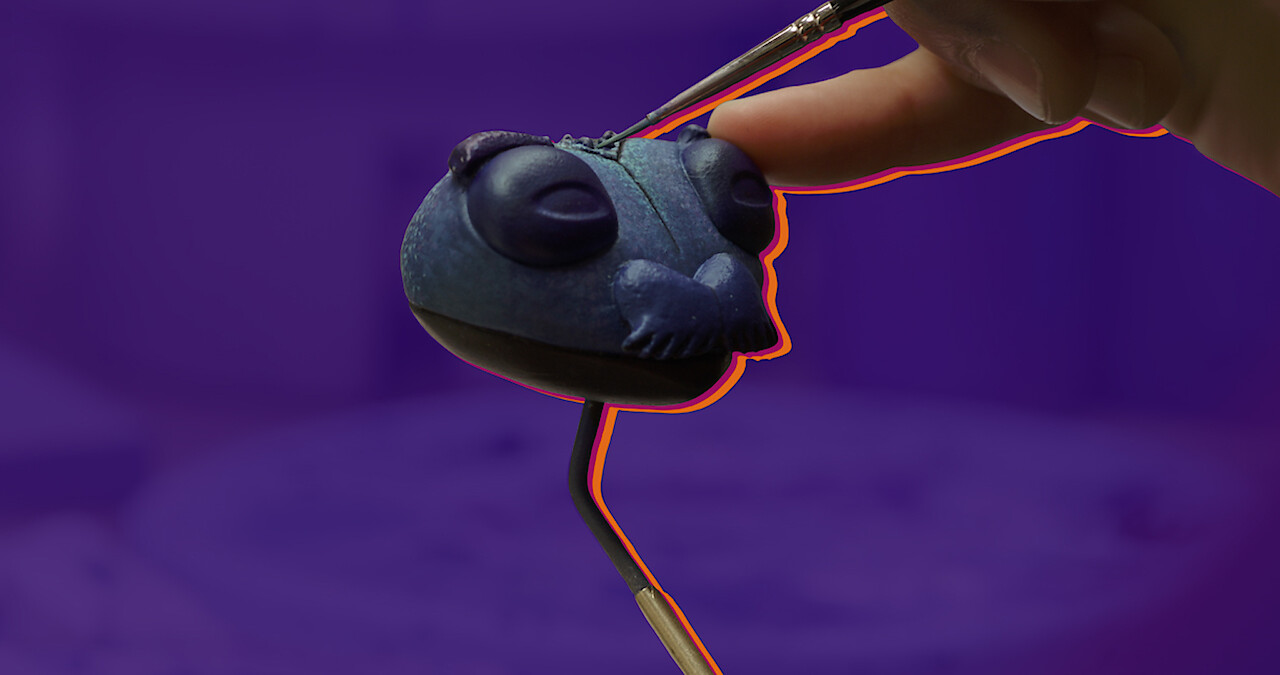
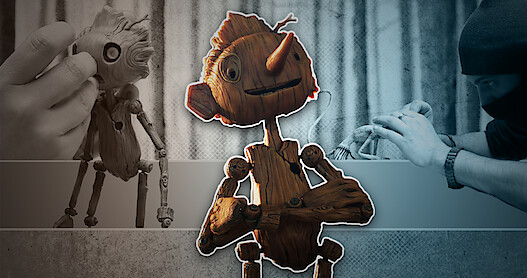
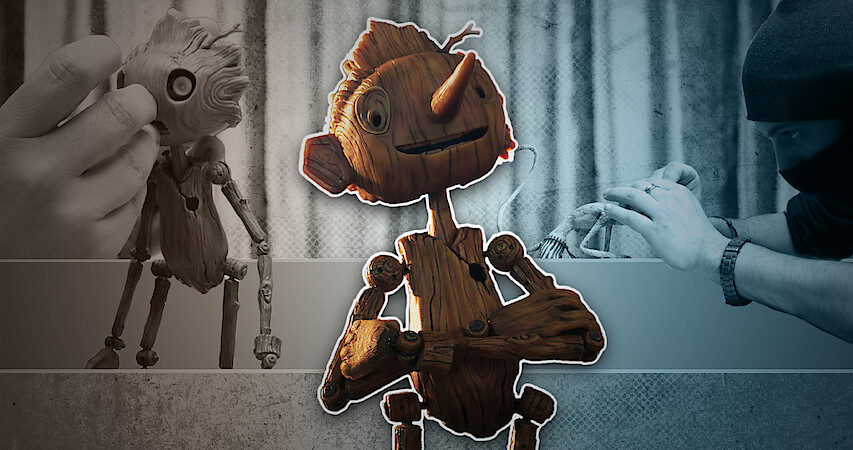
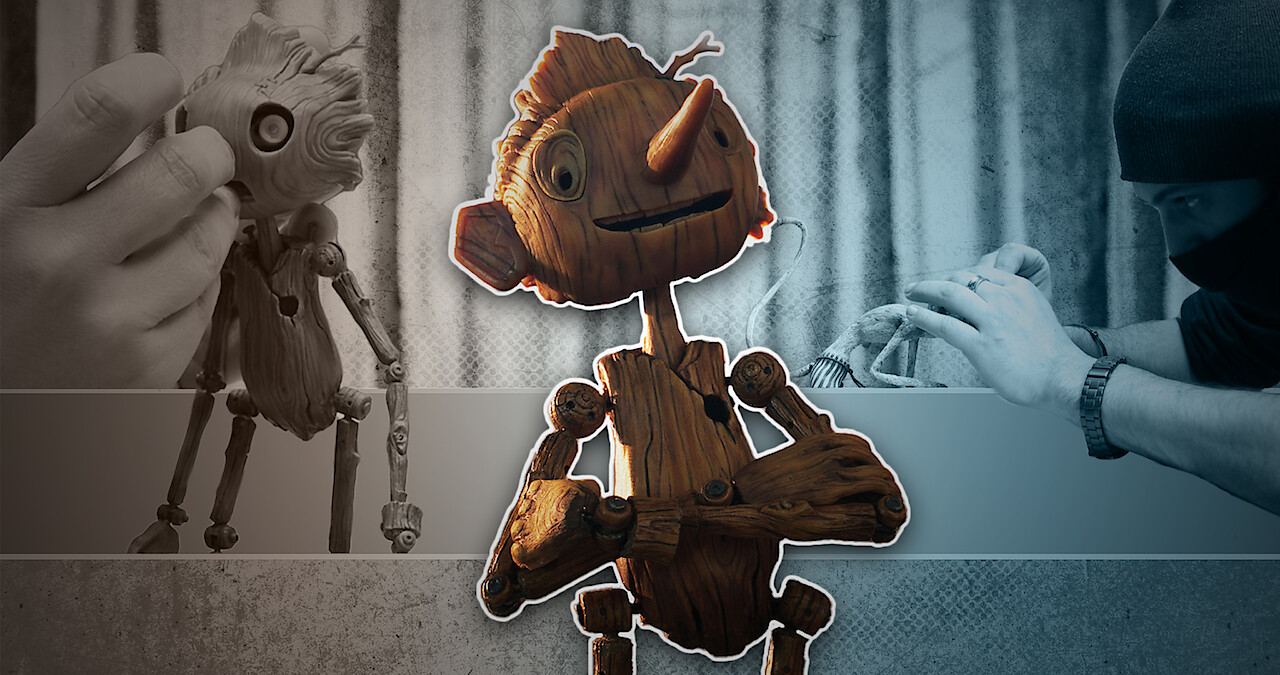
“We were working with over 60 units at the same time,“ del Toro says. “Some units were going down; some units were going up. Some units were in preparation, but they were all shooting or preparing concurrently.” And before you ask, yes, this is all done by hand. “It is not a computer-generated character,” del Toro stresses. “It’s all done by artisans.”
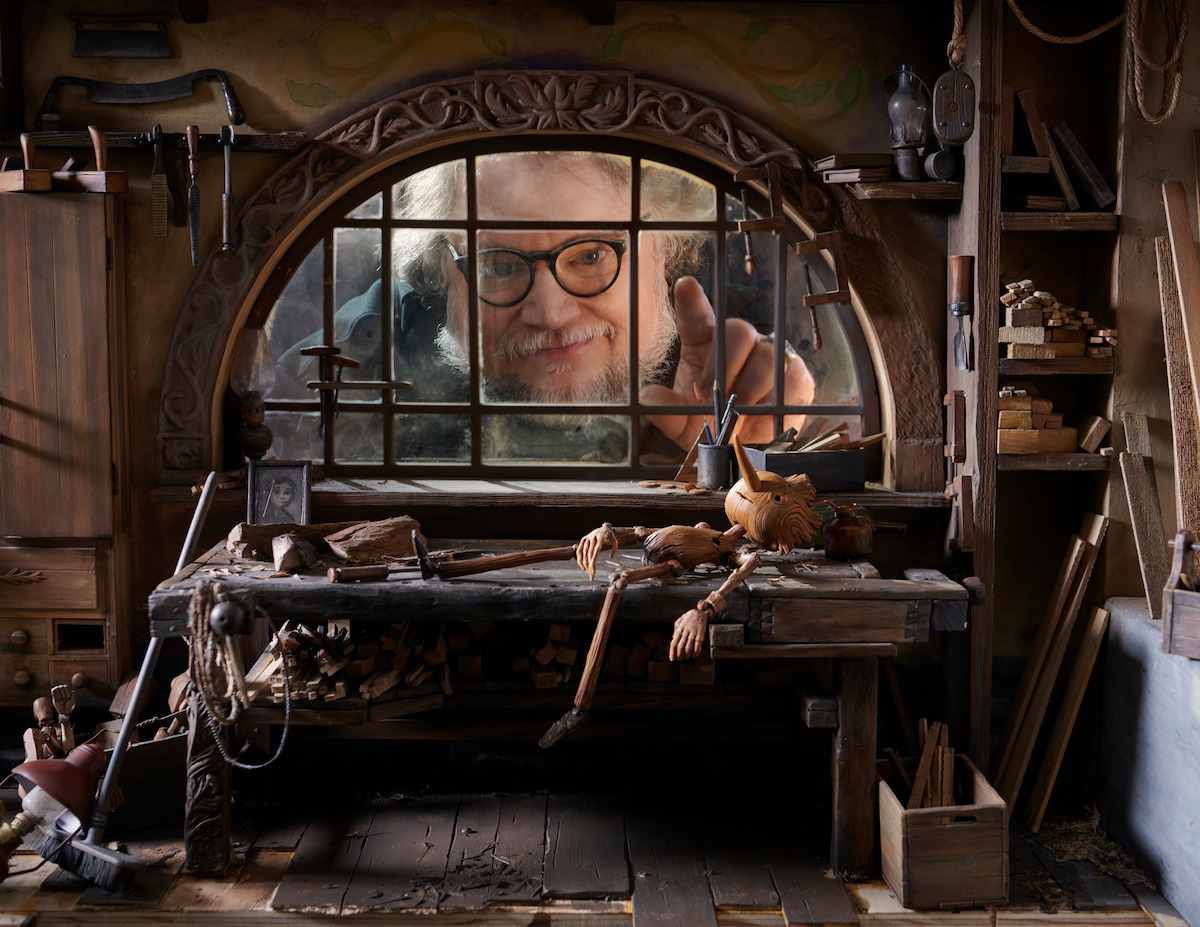
Usually, a director will cast actors to voice specific characters, and different animators will work on bringing them to life, often handing them off over multiple sequences. But that wasn’t the case here. “We got to cast the animators,” del Toro says. “Whoever is good at that character gets to animate that character. To give you a couple of examples, the scenes between Geppetto and Pinocchio in the bedroom — one animator did that over two years.”
Del Toro is under no illusions about the tedious nature of the project, which debuts on Netflix on Dec. 9. “We tackled a movie that was almost superhuman to do,” he says. “I said, ‘We will always give 100% of ourselves 100% of the time. We will only be as good as our worst shot.’”
Though it’s been almost three years since del Toro and Gustafson first called “Action,” Pinocchio’s journey to the screen actually dates back to del Toro’s early 20s, when he first read the Carlo Collodi tale that inspired the 1940 Disney film and others. The director has been toying with the idea for how best to adapt it ever since.
When asked how he comes up with the blueprint for the creatures that populate his films, del Toro says, “If I’m designing a creature, I go to art or zoology. I don’t get inspired by other creatures in film because then you’re doing a copy of a copy. I get inspired by sea creatures. I get inspired by primates, by reptiles, or I get inspired by painters or sculptors.”
For more great celebrity interviews, check out Skip Intro on Apple, Spotify or wherever you get your podcasts.