Burning Questions
So You’ve Just Seen Our Planet II…Now What?
The producers want you to pay attention to the core message of the nature series.
By Silverback Films
June 14, 2023
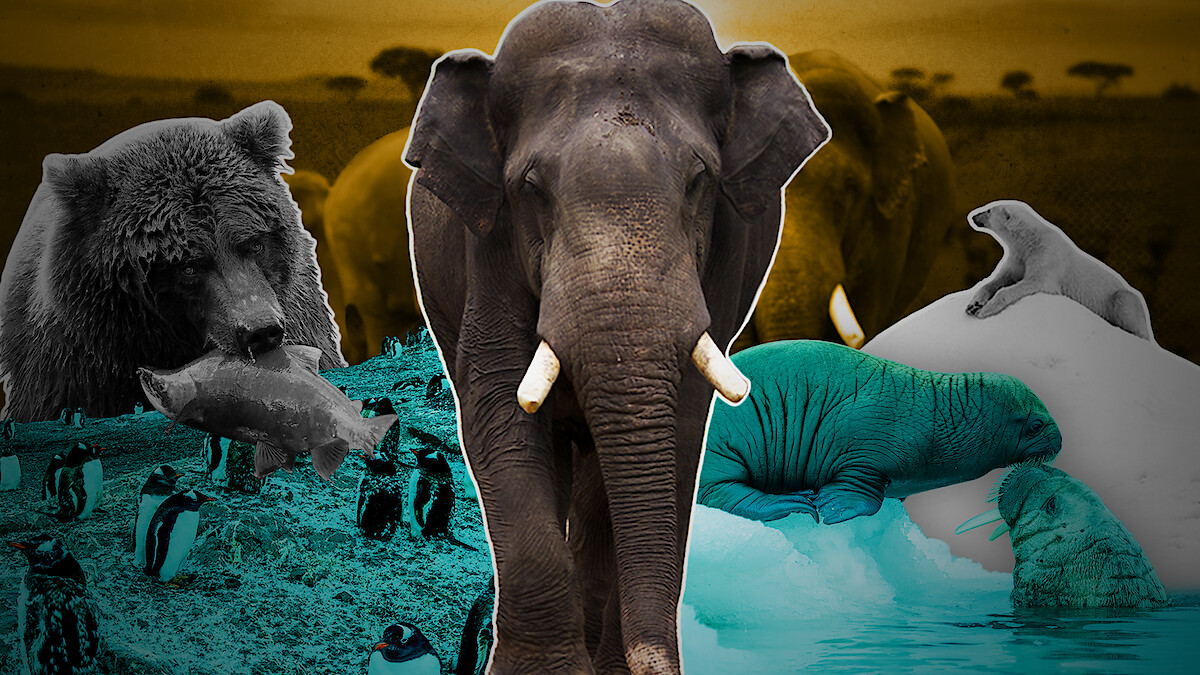
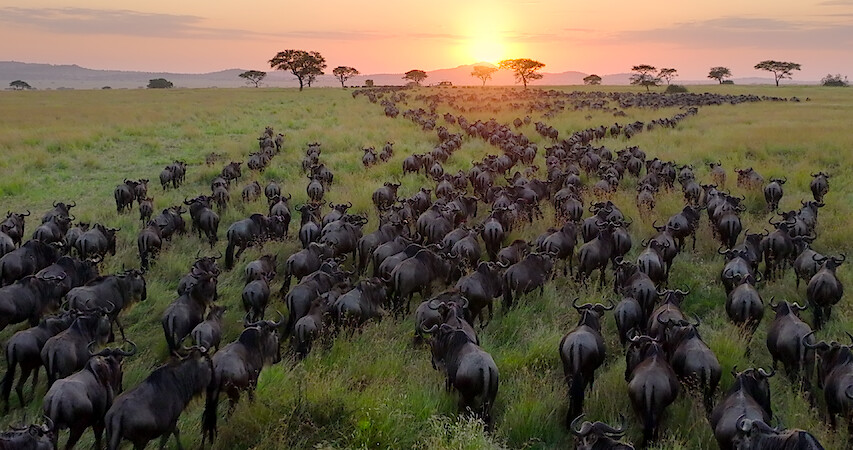
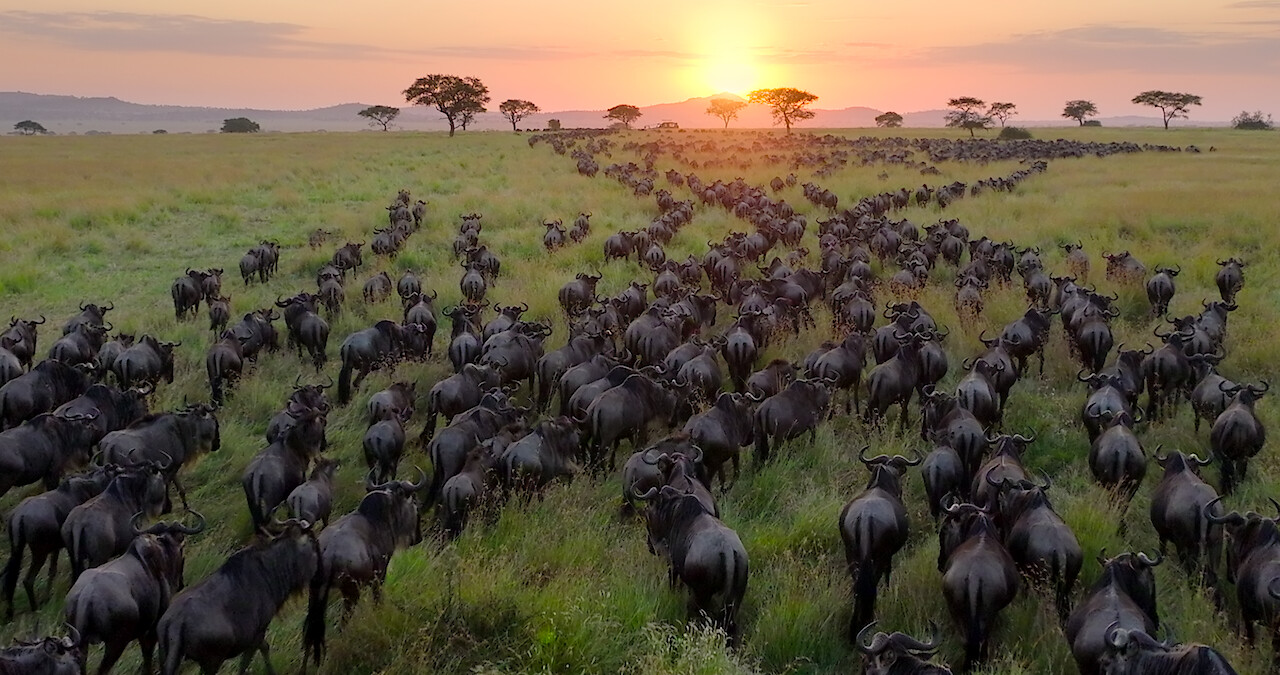
One of the reasons we love watching nature documentaries is because of their breathtaking scenes of untouched and pristine landscapes teeming with wildlife. However, such scenes are becoming increasingly rare as nearly every inch of our planet has been affected by human activity. We’ve spent more than 30 years making documentaries and have seen, firsthand, the loss of wild places and the consequences of a changing climate within the stories we capture. These films and series, like Our Planet II, serve as reminders that even the most remote corners of Earth are not spared from human activity like mounting plastic waste and planet-warming pollution. We hope that Our Planet II has not only stunned you with its beauty, but also impressed you with the urgent responsibility to preserve our home.
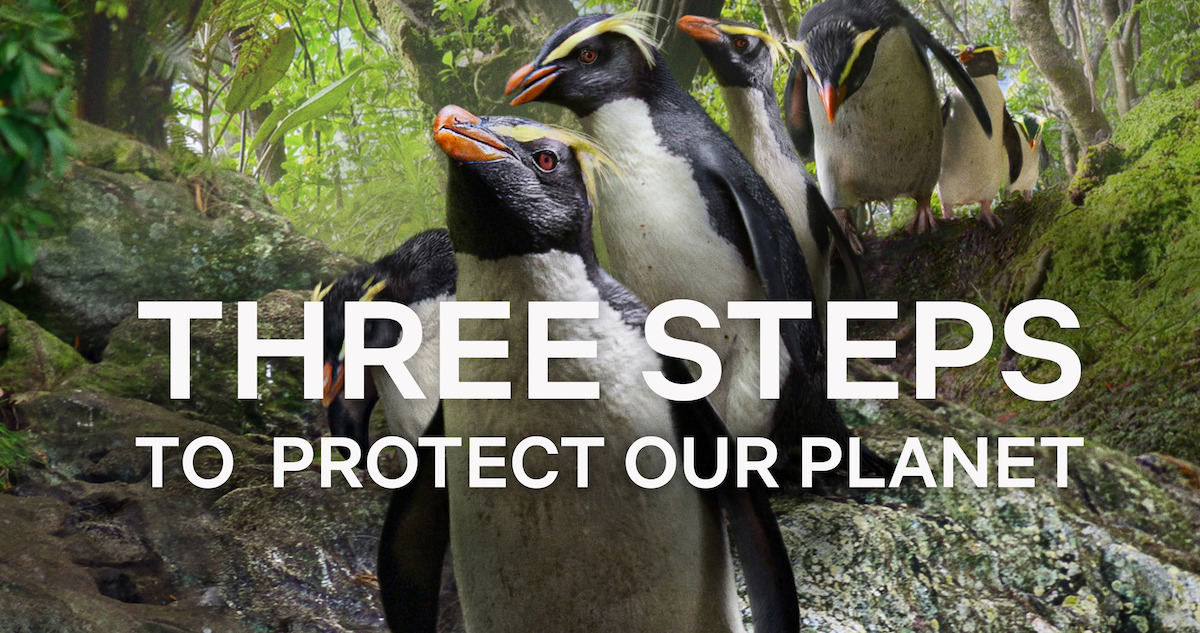
If you are one of the many Our Planet II viewers motivated to protect nature, learn more about simple and impactful steps you can take today. Leading climate experts Dr. Leah Stokes, Dr. Jonathan Foley and Dr. Marshall Shepherd suggest three actions we can take in our households, workplaces and communities to reduce fossil fuel burning, the cause of climate change and a leading threat to nature.
Electrify Your Home by Dr. Leah Stokes
Use these resources (click here if you’re in the United States, Canada, the UK or Australia) to find available incentives for replacing fossil-fuel appliances in your home with clean electric machines whether you’re a homeowner or renter.
Spark Ideas at Work by Dr. Jonathan Foley
Wherever you work, integrate sustainability into your job by using Project Drawdown’s Climate Solutions at Work guide since every job must become a green job.
Plug into a Group by Dr. Marshall Shepherd
Find a group by searching for a few sustainability keywords (e.g., climate action group, conservation group) and your location.
If you find this helpful, share these actions with others! As climate scientist Dr. Katharine Hayhoe always says, talking about climate change with friends and family is incredibly important because it’s the single biggest influence on their attitudes and behaviors.